Bill Bratton

The case for drone policing

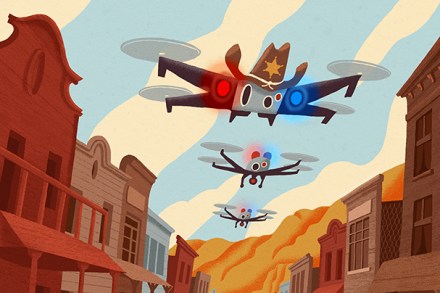
In the Russia-Ukraine war, drones have leveled the playing field between economically unmatched adversaries and have provided unprecedented capacity to monitor enemy troop and equipment movements. In domestic law enforcement, they are already being used for crime scene reconnaissance, for tracking suspects and for finding missing persons.  Their greatest potential, however, lies in detecting and responding to a crime in progress before a victim or witness reports it. This is a line that police agencies have been reluctant to cross. A quadcopter drone is a battery-powered, unmanned aircraft, held aloft by four helicopter-like propellers. They usually carry cameras capable of recording in detail objects below them or as much as 2,000 feet away.
Learning from the past to stop the next Jordan Neely moment

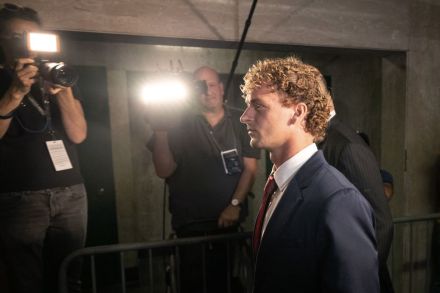
Daniel Penny is heading back to a New York courthouse today to face charges for the murder of Jordan Neely. Penny, with the help two other bystanders, held Neely, who had a criminal history and mental health issues, in a chokehold after Neely made repeated threats to other passengers on a subway car. Neely died during the incident — and Manhattan district attorney Alvin Bragg chose to indict Penny for second-degree murder, despite downgrading over 50 percent of felonies to misdemeanors in 2022. Crime has risen in New York City since 2020, and the city has done precious little to address it, though Mayor Eric Adams has been slightly more proactive than his predecessor, Bill de Blasio. Go back a few decades, however, and you find the Big Apple in an almost unimaginably worse situation.

daniel penny jordan neely gotham