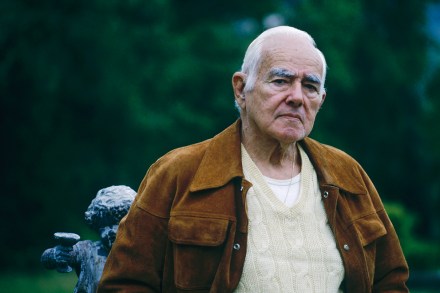
Frederic Prokosch – the man who seemed to know everyone
One day Frederic Prokosch wrote a novel. He was 27 years old, living with his parents in New Haven, Connecticut, and desperate to be published. Leafing through an old atlas, he had visions of Lebanon and Syria, of the apricot trees of Damascus, the pilgrims travelling from Transcaucasia, and the Orontes River flowing among the rocks. His visions grew more vivid and the voices clearer: ‘I leaned forward in my chair and started to write as though mesmerised.’ The resultant book, The Asiatics, was an immediate success, praised by the likes of Thomas Mann, Albert Camus and André Gide. Others, however, were less sure. How could one write about Asia without ever having been there? Prokosch, it seemed, had quite the imagination.