Benin bronze

The weakening case against museum restitution

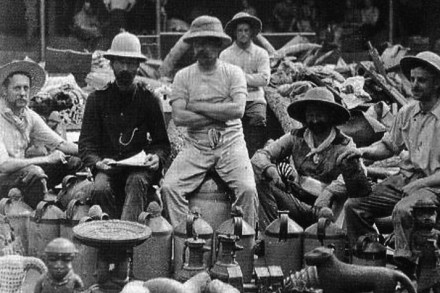
When passions are aroused, all of us are liable to overstate our case. Dan Hicks, a curator at Oxford’s extraordinary Aladdin’s Cave of anthropology, the Pitt-Rivers Museum, is perhaps a case in point. A Swedish academic, Staffan Lunden, has convincingly argued that Hicks is guilty of "distortion" when writing about the British raid on Benin in 1897, which brought several thousand objects, including finely wrought brass statuettes, to museums across the world. Hicks published his uncompromising views in 2020 in a prize-winning book, The Brutish Museums: The Benin Bronzes, Colonial Violence and Cultural Restitution.
restitution

Who really owns the Benin bronzes?

From our UK edition

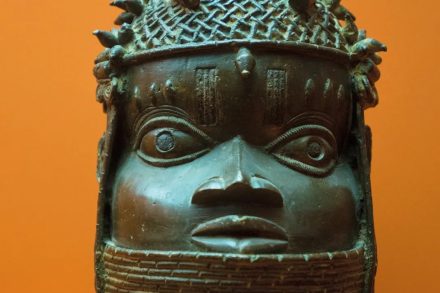
Statues must fall. Bronzes must be ‘returned’. The artefacts in question are the famous ‘Benin bronzes’ taken by the British from the royal court of the Kingdom of Benin in 1897. The present demand is that they be returned to Nigeria; confusingly the kingdom’s former territory is now part of Nigeria, not the modern day Republic of Benin. In 2016 Jesus College, Cambridge announced it would be discussing the return of a bronze cockerel. In May, Germany agreed in principle to the return of the Benin objects in its public collections — Germany holds nearly 300 of the most prized items. In June, New York’s Metropolitan Museum of Art stated it would be returning two plaques.