Beef

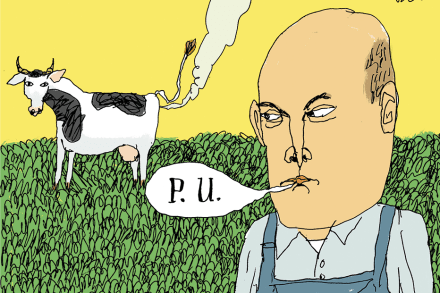
‘Corporate agriculture’ is wrong about cows and methane

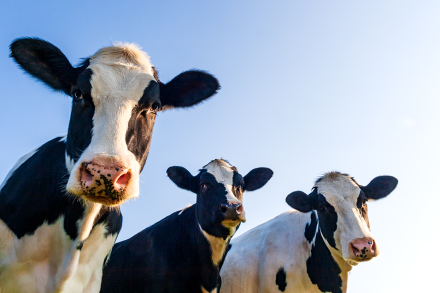
In the 1960s, scientists discovered that halogenated compounds such as chloroform and bromochloromethane could inhibit methane-generating microorganisms, also known as methanogens. This was important because agricultural scientists were trying to make livestock farming more efficient. Ruminants (cows, sheep, goats, deer, giraffes) produce the gas methane when they digest plant matter. Scientists reckoned between 2 and 12 percent of all the energy from feed was being lost as gas. If they could reduce methane production, they could increase yields of meat, milk and other products. In one experiment, feeding chloroform to sheep reduced their methane emissions by between 30 and 50 percent. The results were even more dramatic with bromochloromethane: a reduction of 70 percent.

Beef farmers have been stitched up

From our UK edition

An awkward delay in the unveiling of the Mansion House Accord was, we’re told, nothing more than a Downing Street ‘timetabling issue’. It was perhaps a tenterhooks issue too, as Donald Trump’s Sharpie hovered over the UK-US trade deal which was clearly going to make bigger headlines. But the Accord also had to contend with City discord around the issue of ‘mandation’ of pension funds to invest in unlisted equity that might contribute to future UK growth. In July 2023, 11 institutions inked the first Mansion House ‘compact’, committing 5 per cent of ‘defined contribution’ pension monies to private equity by the end of the decade. Now 17 industry leaders have committed to upping the target to 10 per cent, at least half of which will back UK ventures.

With Tim Hayward

From our UK edition

44 min listen

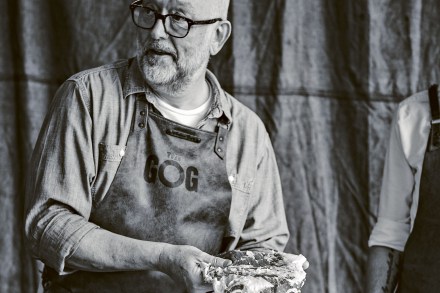
Tim Hayward is an award-winning food writer, a broadcaster, and proprietor of the bakery Fitzbillies in Cambridge. He writes regularly for the FT Magazine and often appears on BBC Radio 4. Following the bestsellers Food DIY, Knife, and Loaf Story, his eighth book, Steak: The Whole Story, is out on the 23rd May.  On the podcast, Tim tells Liv and Lara about his childhood concoction 'dead man's finger', the secret to great beef and the joys of a 6pm martini.

The Spectator’s TV of the Year 2023

Ross Anderson, life editor Silo, Drops of God and Hijack As I wrote early this year in our pages, Apple TV+ is probably the most under-appreciated streaming service available, with a very high batting average for its output. Bad Sisters was far funnier than I expected, The Super Models was just fantastic, and Boom! Boom! The World vs. Boris Becker is almost as long as its title, but is also the best sports documentary I’ve seen in years. But the three best shows I watched though it were Silo, Drops of God and Hijack.

succession tv of the year

Why Beef is in a class of its own

A wave of recent films, from Crazy Rich Asians to Turning Red to Everything Everywhere All At Once, has received critical acclaim for their representation of Asian Americans. But too often such films are one-dimensional, depicting the angst of model-perfect characters damaged by generational trauma and helicopter parenting. That's why the arrival of Beef, a show streaming on Netflix that follows two strangers whose moment of road rage leads to the self-destruction of their lives, is so welcome. The series is complex and nuanced; it breaks more artistic barriers than it has any right to. Beef is never interested in emphasizing that its cast is predominantly Asian American. Instead it chooses to depict them as imperfect people, responsible for the bad choices they make along the way.

Ali Wong Beef