Barnes & Noble

Barnes & Noble and me

Call it a gift from the book gods: my literary coming of age coincided with the last decade when the existence of good bookstores could be taken for granted. In the mid-1990s, when I was an adolescent who read every new novel by Updike, Roth and Vonnegut, Amazon was still a novelty. Chain bookstores, such as B. Dalton and Waldenbooks, were as ubiquitous in shopping malls as food courts, cheap jewelers and eyewear vendors. And growing up in a suburb of New Orleans, I also had access to an astonishing number of antiquarian bookstores, including what is still officially my favorite bookstore: Faulkner House Books, the teeny-tiny bottom level of a townhouse in the French Quarter in which William Faulkner set down on paper what became his first novel, Soldier’s Pay.

barnes & noble

A very demoralizing trip to Barnes & Noble

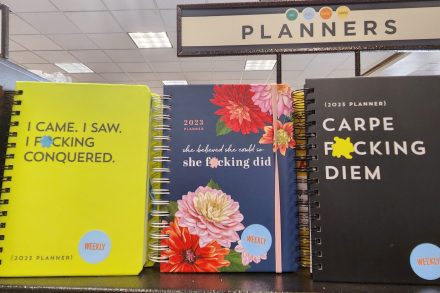
America is enduring a mental health crisis, and you need go no farther than your local Barnes & Noble bookstore to see evidence. I was an avid journal-keeper for years and love all things paper, so I get a little giddy perusing the “stationery and gifts” section. Last weekend, however, rather than being energized by the prospect of filling one of those gorgeous, gilded, supple leather books with my most brilliant thoughts and sweetest sentimentalities, I was left feeling sad about the message sent by so many of the journals, planners, and gifts for sale. Judging from the featured items, you’d be led to believe America is a nation of depressed, exhausted, anxiety-ridden alcoholics. And for the most part, you’d be right.

‘Literary Blackface’ is woke as hell

In order to cash in on celebrate Black History Month, Penguin Random House and Barnes & Noble planned a collaboration to achieve an amazing feat of wokeness. They were set to perform what I like to term as ‘positive blackface’ on a number of literary classics in order to show their support of diversity. Very much in the spirit of Justin Trudeau, they redesigned the covers of classic novels such as The Secret Garden and The Wonderful Wizard of Oz so that the main characters are more representative of ethnic minorities. Now, the more cynically-minded among those less in tune with what people of color want might see this promotion as a horrendously clumsy and lazy attempt at earning virtue points. Well, to that I say a resounding, ‘NO!’.

literary blackface