Barbie

How rollerblading changed my life

From our UK edition

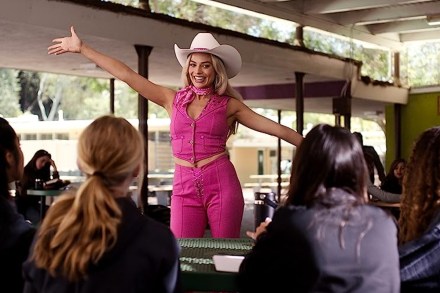
The eight-year-old me hated Barbie. My family couldn’t afford the impossibly-proportioned doll that my friends gleefully dressed as an air hostess or housewife. I made do with her cheaper, lumpen British equivalent, Sindy, instead. And yet I shall be in the queue for the Pepto-Bismol explosion of neon that is the new Barbie movie, starring Margot Robbie as my friends’ brash plastic heroine made real. Our gang includes a retired barrister and a graphic designer who started skating in her late sixties What won me over is not that the film stars bare-chested Ryan Gosling, as Barbie’s anatomically-challenged boyfriend Ken, although obviously that is quite a pull.

Oppenheimer and the triumph of Christopher Nolan

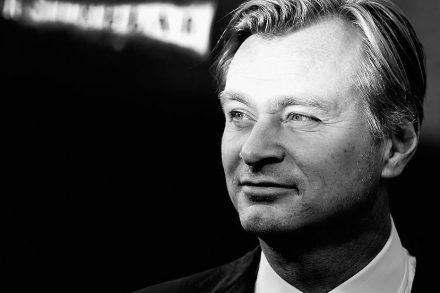
The Barbenheimer phenomenon — thought of by many as just idle chatter on the internet — has enduring power. Last weekend, Barbie and Oppenheimer earned a combined $511 million in global box office receipts; an unprecedented number where neither film is a superhero picture or a sequel. Barbie made more money, on the grounds that it’s an hour shorter and is PG-13 rated, but the vast box office success of the R-rated Oppenheimer, which made over $170 million in its opening weekend, is testament both to Barbenheimer excitement, and to the film’s very own brand: its powerful writer-director-producer, Christopher Nolan.  James Cameron aside, it is hard to think of any filmmaker who wields such power and influence in contemporary Hollywood.

Christopher Nolan

Should be called Ken: Barbie reviewed

From our UK edition

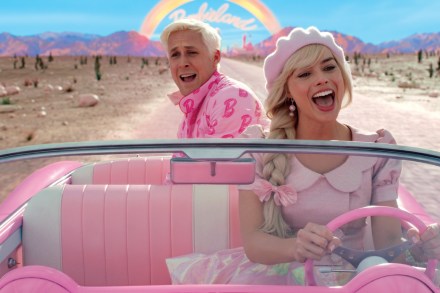
Finally, the Barbie film is here, for which we must be thankful, as the tsunami of pre-publicity meant you probably felt obliged to lock your bathroom door so the trailers didn’t follow you in there. They should have called this Ken but I guess that’s not going to help bring down the patriarchy It’s a film that wants to have it all ways. Let’s parody Barbie but also isn’t she a feminist? There’s of lot of zeitgeist appeasement going on here. But the production values are sensational and there are some excellent jokes, even if Ryan Gosling’s Ken leaves Margot Robbie’s Barbie standing. They should have called this Ken, but I guess that’s not going to help bring down the patriarchy.

Why has Barbie been made?

In 1997, the Swedish pop act Aqua released a novelty single which combined being hugely popular with being even more irritating. Entitled “Barbie Girl,” it was a helium-voiced ode to the wonders of the famous Mattel creation, dusted with just enough ironic detachment to allow the musical connoisseur to believe that they were savoring a joke, while giving the unreconstructed pop lovers everything they could hope for. The lyrics are especially lamentable: the chorus declares “I'm a Barbie girl, in the Barbie world/ Life in plastic, it's fantastic/ You can brush my hair, undress me everywhere/ Imagination, life is your creation.” It was successful for a while, sold a huge number of copies and can, very occasionally, still be heard on the radio.

barbie

The problem with Barbie’s feminist makeover

From our UK edition

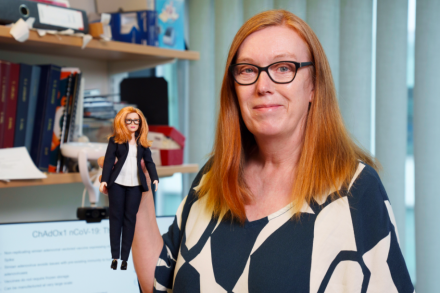
It looks like Barbie is having another makeover: last week toy maker Mattel announced that they were launching a range of dolls to honour women in STEM, making miniature models of pioneers such as US healthcare workers Amy O’Sullivan and Dr Audrey Cruz, Canadian doctor and campaigner Dr Chika Stacy Oriuwa, and - of course - Oxford vaccine designer Professor Dame Sarah Gilbert. Of all the accolades Gilbert has received this year - a damehood, the Albert Medal from the Royal Society of the Arts, a standing ovation at Wimbledon - I’m sure she is most thrilled by being immortalised as a pant-suited plaything. Whilst I am all for greater representation and diversity in toys designed for girls, I’m not convinced by Barbie’s feminist rebrand.