Balkans

How Eastern Europe is leaving Western Europe behind

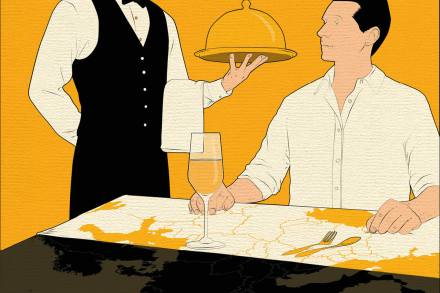
I'm in the tiny riverside town of Virpazar, in the little Balkan country of Montenegro; and under the white geisha face of a late summer moon I am warily ordering the celebrated local delicacy. It is carp — caught from the nearby, slivovitz-clear waters of Lake Skadar (biggest lake in the Balkans!). But what makes me wary is the preparation. The carp is apparently marinated, and served cold, with boiled potatoes and greens. Cold slimy fish with hot spuds and spinach? It sounds like some nightmare culinary “specialty” from the old communist bloc (of which Montenegro was once a part, within Yugoslavia). I’m veteran enough to remember a few of these. “Famous” flatbreads that came with rancid lard.
Eastern

Ghosts of the Balkan wars are returning in unlikely places

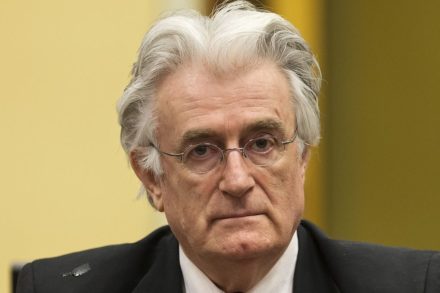
Why is the Christchurch far-right terrorist obsessed with the crazy-haired Serb that the UN just sentenced to life in prison? How Balkan war criminals became idols to Western extremists is a bizarre story that shouldn’t be real, but is. Twenty years ago this week, NATO decided to take Kosovo away from Serbia. The Rambouillet Agreement of March 18, 1999, named for the château outside Paris where negotiations failed to resolve that Balkan crisis without wider war, set the stage for an independent Kosovo under NATO administration and protection. Five days after US, British, and Albanian delegations signed the Rambouillet Agreement – Serbian and Russian delegations refused to sign – NATO bombs started to fall on Serbia, and they kept falling for 78 days.

radovan karadžić balkan