Baby formula

Abortion and our fear of loss

Something felt off about Mother’s Day this year. For one weekend every May, we post social media tributes and bow to marketing campaigns thanking our moms, letting them know they’ve given us something that can never be repaid. But that same weekend, the national news cycle was caught up in the drama — and the fear — generated by the mysterious leak less than a week earlier of a draft majority opinion written by Supreme Court Justice Samuel Alito that would overturn Roe v. Wade and return the issue of legal abortion to the states. By that Sunday, we’d seen maternity clinics and Catholic churches vandalized, protests in front of the homes of Supreme Court justices, and ominous warnings from the mainstream press explaining what women stand to lose if Roe falls.

abortion roe

The cruelty really is the point

Earlier this week, Politico ran a piece called “Inflation’s biting. Roe’s fraying. Dems are still trying to connect with voters.” The crux of the article is that while congressional Democrats have plans to counter rising inflation, they are having a hard time selling their command of the situation to voters. It’s no wonder. The star of the piece is Representative Katie Porter. Porter, a member of her party’s progressive wing, is portrayed as more aware of the impacts of inflation than her colleagues. The story describes an instance in which Porter had to put a package of bacon back on the shelf because, to her surprise, it was up to $9.99 per pound.

Biden’s baby formula shortage

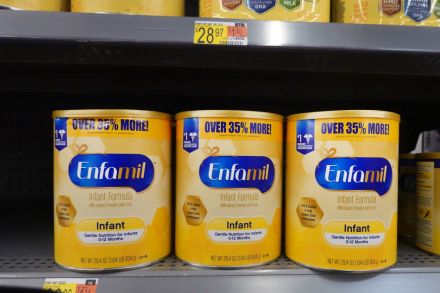
There’s a crisis in America and the Biden administration doesn’t want to talk about it. At the end of April, 40 percent of the top-selling baby formula products were out of stock at American retailers. Since then, things have only gotten worse. Those not acquainted with newborn life may have missed the bare shelves in the baby aisle, but mothers unable to breastfeed did not. Up to 32 percent or more of American women can’t or do not breastfeed (and 60 percent quit early), relying exclusively on formula to feed their babies. Indiana mother Mandi Hall relies on specialized, brand-name formula to feed her two-year-old son with health problems. She says she’s terrified that soon she won’t have what he needs to eat. She’s not alone.