August

Good riddance to August

From our UK edition

Thank God for the end of August. The end of half-arsed work and half-arsed holidays. One in six of us holidayed over this bank holiday weekend, chasing the last gasp of the summer. This week is back to school, back to business and, oddly enough, back to work for the masses of employees who’ve spent most of the summer idling at a desk. Why do we put up with the mouse-wiggling? The chatter of lunch breaks in the park or after-work beer gardens veers one way or another to the same topic: workers moaning about being trapped in the office and getting nothing done. It seems we haven’t progressed much in the twenty-seven years since Office Space was released.
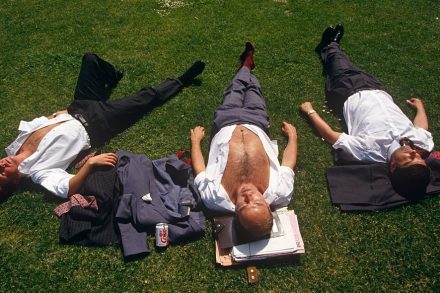

Labor Day will revive barbecue

Oh my word. Will August never end? February is the shortest month and August is by far the longest, a full 17 days longer than any other. At least it feels that way. Nothing happens in August. The month has no holidays, since there’s nothing to celebrate. The business world grinds to a halt amid last-chance beach vacations and general summertime torpor. Emails go unanswered. Meetings are canceled for lack of attendees. Those who do make it into the office arrive late and duck out early, since no one’s around to notice. It’s not just in offices, either. Civic groups and charitable organizations avoid staging events during this cruelest of months, knowing attendance will be poor. Even the world of barbecue largely comes to a standstill.

Why did economic growth in August fall flat?

From our UK edition

August should have been a relative boom for the British economy: restrictions were the most relaxed since the Covid crisis began. Businesses in the hospitality and leisure industries were largely allowed to reopen by this point, and public transport guidance changed to allow non-essential workers to return to the office. On top of these liberalisations, schemes like Eat Out to Help Out were brought in to encourage – even subsidise – more economic activity. Yet growth figures fell flat, increasing by 2.1 per cent – roughly half of what was expected by economists. It appears economic recovery started to stagnate (down from June’s 9.1 per cent and July’s 6.4 per cent) in a month that was primed for growth.