Atomic bomb

Beware the Nagasaki and Hiroshima revisionism

2025 is the 80th anniversary of the end of World War II, the most calamitous conflict in history. The victory over Nazism in Europe is universally fĂȘted, but the triumph over Japanese militarism receives far less celebration. The atomic bombing of Japan, which forced unconditional surrender, has long been criticized by revisionist historians as unjust, unnecessary and morally depraved; that narrative has been absorbed as the truth of the matter. Decades of liberal education have shifted opinions massively, with only 35 percent of Americans believing the bombings were justified as compared to 85 percent in 1945. Those younger than 50 oppose the bombings by significant margins.
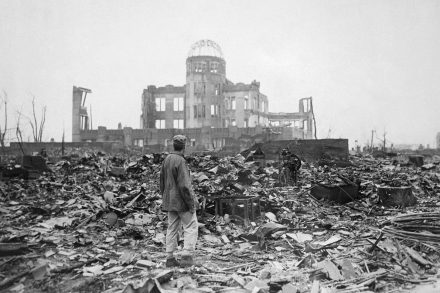
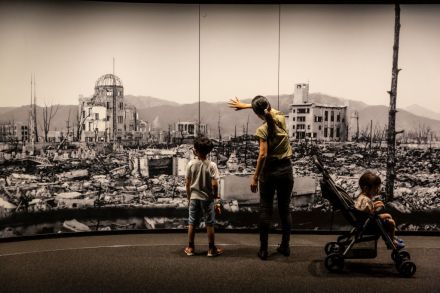
Hiroshima

The myth that Hiroshima was necessary

If you think the falsehoods spilling out of Ukraine about casualties and atrocities are shocking, meet the greatest lie of modern history. August 6 marks the seventy-seventh anniversary of the nuclear destruction of Hiroshima and death of some 140,000 non-combatants. Yet the only nation in history to employ a weapon of mass destruction on an epic scale, against an undefended civilian population, shrugs off the significance of an act of immorality. Beyond the destruction lies the myth of the atomic bombings, the post-war creation of a mass memory of things that did not happen. This myth has become the underpinning of American policy ever since, and carries forward the horrors of Hiroshima as generations pass.