Aretha Franklin

Why legacy students aren’t a civil rights issue

I just caught the news that four pages in a notebook dated 2014 and stuffed into a couch cushion have been accepted as a valid will for the late singer Aretha Franklin. The jury that decided this enriched two of her sons and disappointed a third son, who was favored in an earlier will. This is what I call a legacy. But America is all worked up about another kind of legacy. I refer, of course, to the endearing habit of colleges and universities to give a leg up to the kinder of their alumni. Why do they do this? And why are so many people worked up over it?  These aren’t hard questions. Colleges have two reasons for their legacy programs.

legacy

The amazing grace of Aretha Franklin

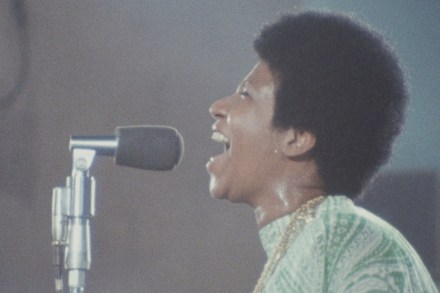
Aretha Franklin recorded her best album, the live Gospel performance Amazing Grace, over two nights in January 1972 at the New Temple Missionary Baptist Church in Watts, Los Angeles. The Queen of Soul had crossed over, and perhaps too far, with the Live at the Fillmore West album, a play for the white rock audience that included covers of ersatz Soul and Gospel hits like ‘Love The One You’re With’ and ‘Bridge Over Troubled Water’. Amazing Grace was Franklin’s musical and spiritual homecoming to the Baptist church. One of her mentors, the Reverend James Cleveland, presided over a full gospel choir, and the rhythm section with which Franklin had recorded the Young, Gifted and Black album in 1971. Her father, the Reverend C.L.

aretha franklin amazing grace