Animal Farm

Life lessons from George Orwell

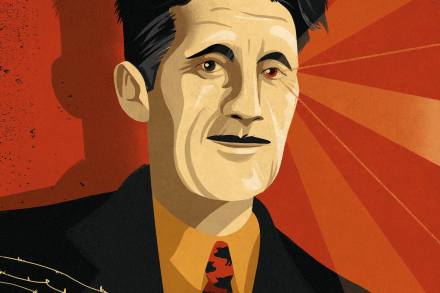
It was the British political journalist Jason Cowley, writing in London’s Sunday Times a month or two back, who posed a query calculated to strike terror into the heart of any self-respecting Orwell-fancier. Were we, Cowley wondered, with the air of one who tosses a Sèvres vase into the air to watch it descend into heap of fragments, approaching peak Orwell? Was the man in whose voluminous output so much of modern political and sociocultural malaise has been refracted losing his sheen? Some Orwellians – myself included – on hearing this would probably respond with a rather handy Latin phrase: si monumentem requiris, circumspice, which loosely translates as, “If you want evidence, buster, then take a look around.
Why is George Orwell so difficult to pin down?

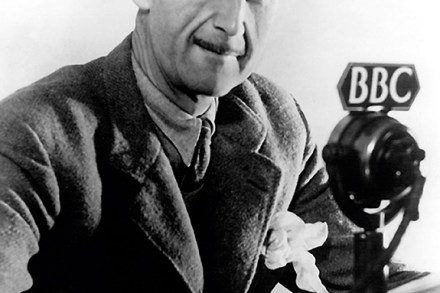
Outside Broadcasting House, the BBC’s main center in London, is an imposing, eight-foot-high statue of a man. He leans over slightly, as if to accost passersby, and holds a cigarette. A sign behind him declares, “If liberty means anything at all, it means the right to tell people what they do not want to hear.” The man is the author and critic George Orwell and the statue was intended as a permanent commemoration of his writings and values, as well as his short-lived stint at the BBC during World War Two.

orwell

The problem with the new Animal Farm

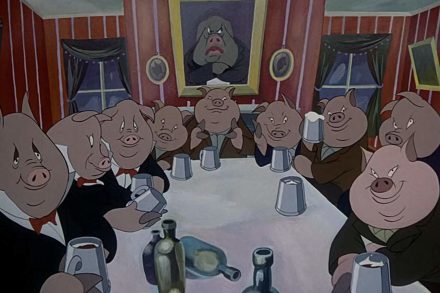
Netflix have acquired the film rights to George Orwell’s totalitarian fable Animal Farm (1945). Napoleon, Snowball and all the other commies at Manor Farm are getting rebooted by British director and actor Andy Serkis. He has animal form, having played an ape in Planet of the Apes remake. The producers are promising to bring the novella to the screen with motion-capture technology, ‘in a thoroughly contemporary fashion.’ It’s too early to tell whether, given a plot-line involves a dictatorial pig’s insistence on building a giant wall, Serkis’s version will resist the obvious parallels with Trump’s America.

animal farm