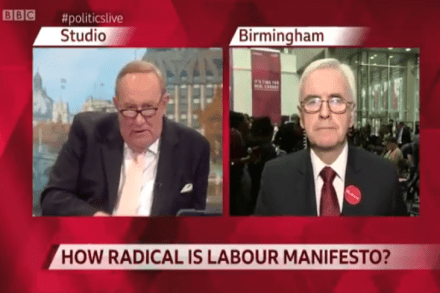
Andrew neil

What Succession got right about Rupert Murdoch

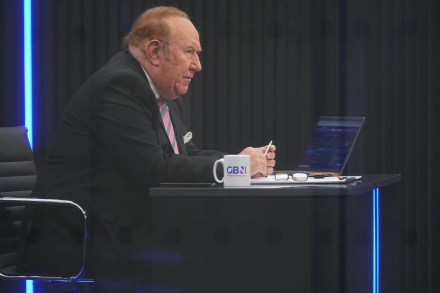
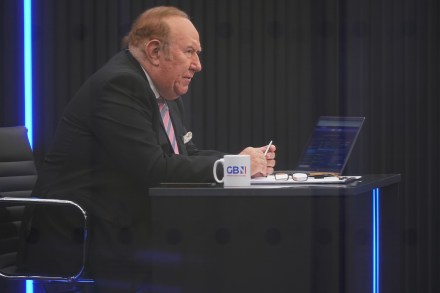
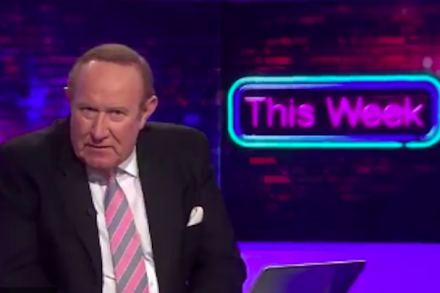
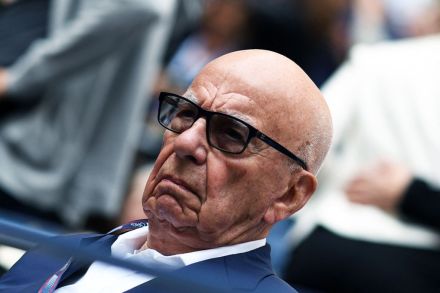
HBO's flagship drama Succession came to an end on Sunday night. The tale of the Roy saga was heavily based on the Murdoch family, to the point that Rupert Murdoch's divorce agreement from his fourth wife Jerry Hall stipulated that she would be barred from providing plot points to the show's writers. But how close is the fiction to reality? Spectator chairman Andrew Neil — who spent over a decade as editor of one of Murdoch's top newspapers — joins Freddy Gray on Spectator TV to discuss. "There was enough of an overlap to make it interesting, and enough of an overlap to say, 'yeah, that's happened in real life, that's the kind of thing that goes on,' but not enough to give the lawyers at HBO palpitations," Andrew says. He describes how Logan Roy "ran his company like a king.

murdoch

The circus that was 80s literary Britain

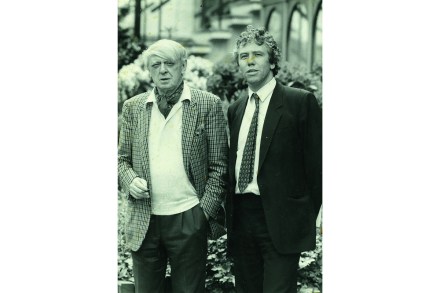
Many years ago, when I mistakenly thought that I stood a chance of embarking on a career in publishing, I went for an interview at an independent publisher to be editorial assistant and all-around dogsbody. I remember the interview well, because it was the shortest I ever had. The first question was, “How do you like to be managed?” I replied, “sternly, with a large whip.” The second was “What would your ideal role in publishing be?” and I answered, “running Jonathan Cape in the Eighties.” It became clear that our paths were not to join, and I left the room with thanks and smiles. I don’t believe that I was ever actually rejected for the job.

Walsh

Channel 4 doesn’t do ‘news’ in any meaningful sense of the word – it’s pure propaganda

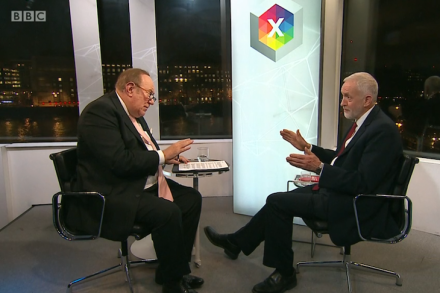
When President Trump refused to take a question from a CNN reporter at the Chequers press conference last week, I imagine a lot of British viewers thought —as Theresa May clearly did — that he was being graceless, capricious and anti-freedom of speech. But I think we’re in danger of underestimating the extent to which the media landscape has changed in the past few years. Gone are the days — if they ever existed — when political interviewers were dispassionate seekers-after-truth on a mission to get the best out of their subjects. Now, it’s mostly activism-driven, the aim being to advance your preferred narrative while showing up your ideological opponents in as unflattering a light as possible.