An Enemy of the People

The theater of Washington

Suddenly it’s Ibsen season in Washington, DC. It’s true that only Shakespeare’s plays are performed worldwide more often than Henrik Ibsen’s. But to have two of the great 19th-century Norwegian playwright’s works running at once in the nation’s capital is unusual. And the works in question – An Enemy of the People and The Wild Duck – deliver contradictory messages. Together they say something not only about the state of the arts in Washington, but also about the state of the liberal mind. Politics is very much a presence on the capital’s stages. The city’s two main Shakespeare organizations, the Shakespeare Theatre Company and the Folger Theatre, last year presented seasons heavily influenced by the presidential election.
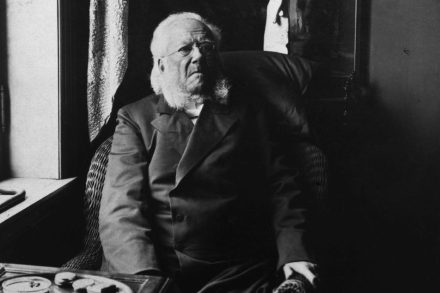
henrik ibsen

An Enemy of the People is hit-or-miss

As I entered the lobby of Circle in the Square Theatre, now showing Broadway’s hottest ticket, An Enemy of the People, staff were upselling booze. “Do you want to buy a shot?” offered one enthusiastic barman, waving a bottle of bracing Linie aquavit. He added, grinning: “It’s what the actors drink on stage.” Sam Gold’s revival of Henrik Ibsen’s didactic and stuffy morality play aims to draw direct comparisons between past and present, including what alcohol we consume (more on that later). In late nineteenth-century Norway, a town finds itself prosperous by selling access to the local spa baths, which supposedly have curative properties. When Dr.

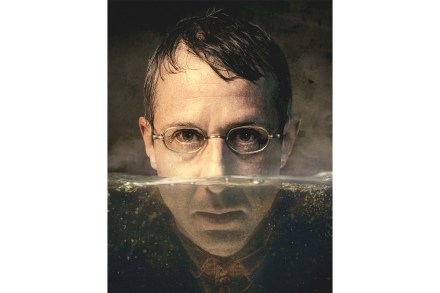
jeremy strong enemy people

Spring’s hottest theatrical openings on Broadway

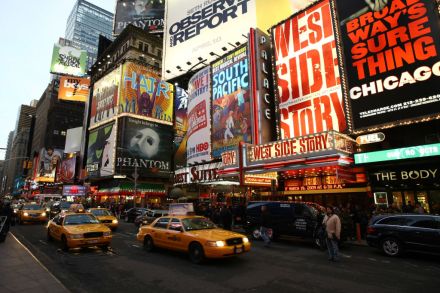
Since closing its doors during the pandemic in 2020, Broadway has struggled. The Phantom of the Opera lowered the curtain in April last year after more than thirty-five years. Andrew Lloyd Webber’s new musical, Bad Cinderella, shut in June, less than three months after it opened, and other musicals, such as the tortuously-named Britney Spears-inspired Once Upon a One More Time, have fared little better. Meanwhile, productions are still scrambling to get butts on seats: audience numbers are down 17 percent from their pre-pandemic highs. And yet, for theater aficionados, there is hope.

theater