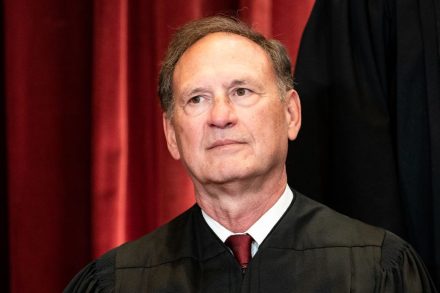
Amy Comey Barrett

Will the Supreme Court force Trump to repay tariffs?

The most important thing to know about the Trump administration’s defense of its hotly contested use of tariffs to bring allies and opponents to heel is not that it is a novel and unprecedented legal argument but rather a full-throated articulation of the campaign themes that got the president elected – in both 2016 and 2000.In its legal documents, and in the oral arguments that took place before the Supreme Court Wednesday, the Trump administration paints a picture of America under siege.Once thriving industrial towns in the Midwest hollowed out. Factories dismantled as supply chains have been moved offshore. Hostile foreign nations flooding the US with drugs and once productive workers turning to opioids and alcohol for solace as opportunities slip away.
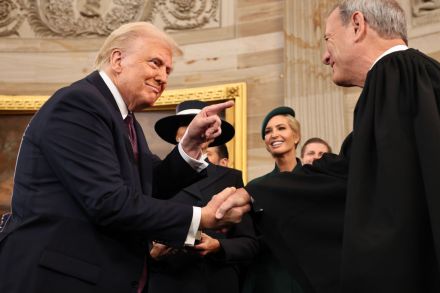
Trump

Ketanji Brown Jackson pushes ideology over the Constitution

When a Supreme Court justice warns that the decisions of her colleagues pose an “existential threat to the rule of law,” it’s not just a legal disagreement – it’s a performance. Justice Ketanji Brown Jackson’s recent dissents, particularly in Trump v. Casa, show a troubling shift in the role of a justice. Instead of offering careful counterpoints rooted in constitutional reasoning, she delivers ideological monologues that sound tailor-made for MSNBC clips and Essence Fest applause lines. This isn’t a critique of dissent itself. Dissent is vital to the integrity of the Court. The late Antonin Scalia built an entire legacy on it – scorching in tone, yes, but always grounded in jurisprudence.

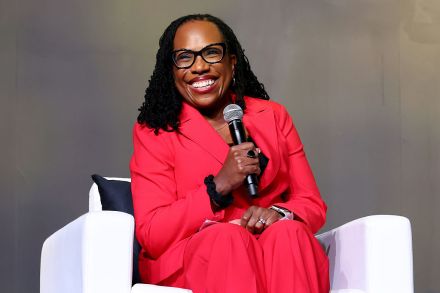
Ketanji Jackson

The coming Supreme Court win for religious rights

The Supreme Court is poised to grant a victory to religious conservatives via the First Amendment in blocking recognition of an LGBT club at Yeshiva University. Yeshiva is a Jewish law school which objects to the club on religious grounds. This is important news for other religious schools across America facing similar legal challenges. Though the Court as an intermittent step referred the case back to the lower courts as Yeshiva University v. YU Pride Alliance, Justices Samuel Alito, Clarence Thomas, Neil Gorsuch, and Amy Comey Barrett made no bones in their dissent that they would stand with the First Amendment when the full case comes before the Supreme Court, as it is expected the lower courts will demand Yeshiva recognize and fund the club.

Alito