Alice in Wonderland

No fairytale: The Children, by Melissa Albert, reviewed

From our UK edition

Who would be a child made famous by a book? A.A. Milne’s son, immortalised as the teddy-trailing Christopher Robin in the ‘Pooh’ books, became a global celebrity and was remorselessly bullied at school for the privilege. Alastair, the spoilt offspring who inspired Kenneth Grahame’s Mr Toad in The Wind in the Willows, felt moved to step in front of a train at university in return. And it is perhaps best for Alice Liddell that she never lived to read contemporary concerns about Lewis Carroll’s true motives for immortalising her in his Wonderland. This cost to children for enabling, even fuelling, an adult’s artistic ambition, is the starting point for the American YA author Melissa Albert’s first novel for adults, The Children.

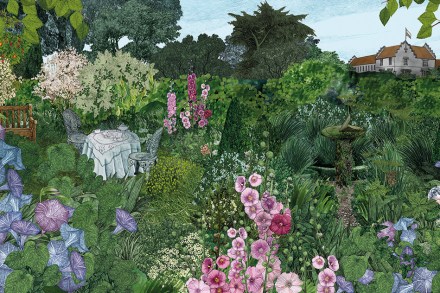
Exploring the enchanted gardens of literature

From our UK edition

‘If Eve had had a spade in paradise, we should not have had all that sad business with the apple,’ claims the narrator of the novel Elizabeth and her German Garden (1898). The author, Mary Annette Beauchamp, eventually adopted the pen name Elizabeth von Arnim, merging her identity with the fictional character she had created. Both Elizabeths lived in Nassenheide in Pomerania (now Rzedziny, Poland), but whereas the fictional one had a spectacular garden, with a majestic clematis ‘Jackmanii’, giant poppies and delphiniums, the real Elizabeth, according to E.M. Forster (who was briefly employed as a tutor to the von Arnim children), did not have much of a garden at all.

Sleepless in Shangri-La

“You are suffering from what we call an ‘Alice in Wonderland’ effect,” Dr. Sankar informed me as I climbed out of a rabbit hole. I was late for a very important date to discuss my sleep (or lack thereof). “When you fall asleep,” he continued, “your thoughts race, and you think: What should I be doing? What do I need to do? Where am I? Where am I going?” I had fallen head-first into another wonderland: Ananda in the Himalayas. Located in the foothills of the Himalayas in northern India, Ananda – which translates to “happiness” in Sanskrit – is a world-renowned holistic retreat that towers above the bustling city of Rishikesh and the sacred Ganges River.