Alexander Larman

The many David Bowies

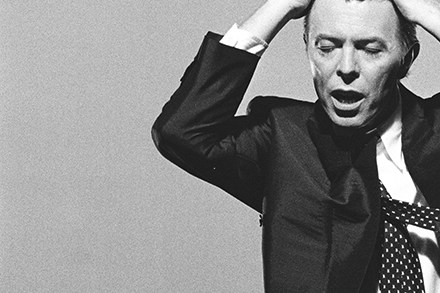
Alexander Larman is the author of a biography of John Wilmot, Earl of Rochester, and of Byron’s Women. Reading Larman’s new biography of David Bowie, one gets the sense that this could have been the end of a trilogy, given all three men’s talent and excesses. In fact, Bowie once considered playing Byron in a movie. Larman’s focus in Lazarus is on Bowie’s career from the end of the 1980s through to his final works: the musical Lazarus and the album Blackstar, the artist’s last gift to his fans, released on his 69th birthday – two days before his death from liver cancer in 2016.

bowie

The Spectator’s 2024 Books of the Year

William Boyd It makes grim, compelling and minatory reading, but Hitler’s People (Penguin, $35) by Richard J. Evans is not only the only book you ever need to read about Nazi Germany but a salutary example of what happens when crazed populist leaders win power. Twenty-two short portraits of the key players and lesser apparatchiks of the Nazi years manage to encompass the whole history of the Third Reich and its baleful legacy. Evans’s hundred-page chapter on Hitler — the “Boss” — is masterly. Evie Wyld’s fourth novel, The Echoes (Knopf Doubleday, $28) with its edgy and moody supernaturalism (the narrator is a ghost) establishes her growing reputation as one of our finest young writers.

books

Inside the May issue: technology

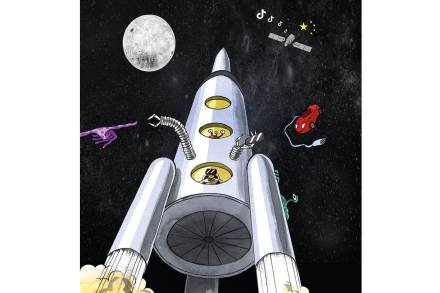
Western governments seem ill-prepared to grapple with rapidly advancing technology. Watch any congressional hearing where a crusty congressman tries to keep pace with Silicon Valley’s top “autists” if you need further evidence — and read Spencer A. Klavan’s analysis of the high-skill but low-status rejects uniting into a formidable social class. The Silent Generation and boomers simply cannot keep up. The Space Race is back on — and tycoons are eager to cash in on the final frontier. Shane Cashman dives into the new wild west of explorers and entrepreneurs commercializing the great unknown. Lionel Shriver brings us back to earth with a look at the electrical grid and our government’s push for green energy and electric vehicles.

technology

Inside the April issue: What happened to America’s capital?

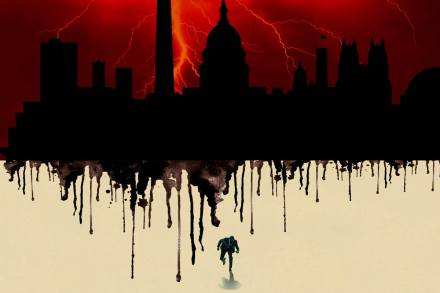
During lockdown, crime shot up around the country. Most cities have seen their numbers come down — most aside from our nation’s capital. Why? In our editorial, we ask what’s being done — it might not surprise you that the answer is “not much.” Matt McDonald, a resident of Navy Yard, one of the worst-hit areas, says that his neighborhood is a failed experiment in gentrification — and asks if help is on the way. And Tim Rice looks at why and how DC got to where it is right now. Elsewhere, Patrick Hauf does a ride-along with the Dallas Police Department, and finds an alternative approach to policing that could be a model for departments around the country.

dc safe

The Windsors at War tells the rest of Edward VIII’s story

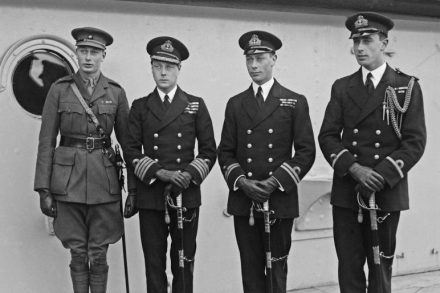
Alexander Larman’s The Crown in Crisis ended with the former Edward VIII, "now exiled to Europe, traveling away in the night." In his engrossing The Windsors at War, Larman relates what happened next. In some respects, the tale he tells can be read as a pitch-black comedy, something signaled by the dramatis personae that begins it. A "disgraced Yugoslavian prince" makes it into "Society — high" joining, among other grandees, a millionaire murder victim, and no fewer than three "playboys," one of whom was the millionaire’s suspected murderer. A "would-be royal assassin" fares less well, banished to "Society— low," along with the likes of a journalist (naturally) and an American engineer "unimpressed by the Duke and Duchess of Windsor.

windsors war