Alcohol

Liquid hideaways

From our UK edition

Last year, in a nod towards austerity, I gave up my membership to Milk and Honey, a cocktail club in Soho. I rationalised that as a non-member, I could still book a dimly lit, silver-toned booth downstairs to enjoy their delicious Penicillin — a reviving concoction of peaty whisky, honey, ginger and lemon — at least until 11 p.m. However, as I sipped my farewell M&H dry martini, made with a twist of lemon and some fragrant Junipero gin, it struck me that there is something comforting in having a regular drinking den. Clearly, research was needed. My requirements were simple: superlative cocktails, convivial atmosphere and within walking distance of home. Life takes on a different perspective if you can stroll through London streets after a negroni or two.

To combat binge drinking among the young, make it easier for people to drink under-age in pubs

From our UK edition

Mary Ann Sieghart has a great piece in the Independent today about how, inadvertently, we have designed a system that almost encourages young people to drink irresponsibly. As she argues, a lot of problems have come, oddly, from making it harder for people to drink under age in pubs.  As Sieghart puts it, ‘And because we were under 18, we knew we had to remain inconspicuous. The landlord would tolerate our presence as long as we didn't embarrass ourselves or him. We didn't dare get smashed or he wouldn't allow us back. And because we tended to meet the same group of friends in the same pub, being banned was not a good move.’ There are, by contrast, no such constraints when under 18s buy drink--or get someone to buy them drink--from an off license.

Cameron devolves the tricky issue of alcohol pricing

From our UK edition

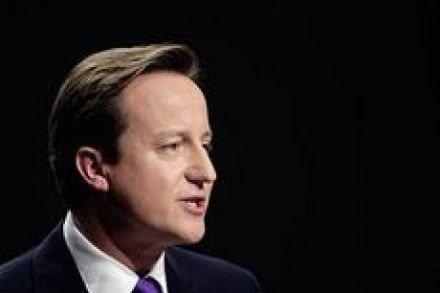
Politicians often get nervous around alcohol – and not just because, in these straitened times, a glass of champagne can broadcast the wrong image. No, the real concern is the more basic, fiscal one: how should it be taxed and priced? There's a difficult trade-off involved. Pushing up the cost of alcohol could halt the staggering advance of binge drinking and all its associated social and medical ills. But, depending on what booze is targeted, it could also hit the least well-off harder than anyone else. And who's to say whether the effect on drinking habits would be that substantial anyway? The trickiness of the situation was clearly demonstrated by Labour's internal ding-dong over minimum pricing back in January.

Beating up the ASBO

From our UK edition

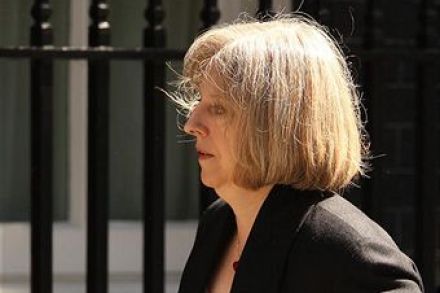
Theresa May has taken the truncheon to the previous government’s rather singular anti-social behaviour policy. The ASBO, of which more than half were ignored in 2008, will be a thing of the past; supermarkets will not be able to sell alcohol at less than cost price; and 24 four hour drinking licenses will be subject to local vetoes, even if the residents do not live near or adjacent to pubs and clubs. On confronting anti-social behaviour, May pledges that ultimate political cliché - a coherent and comprehensive strategy. At the moment, there are few details beyond fines for selling drink to underage drinkers. Limiting booze intake is welcome, but alcohol is not the sole problem. Some yobbism is born of lost opportunity; some is simply innate.

Here’s to a boozy New Year

From our UK edition

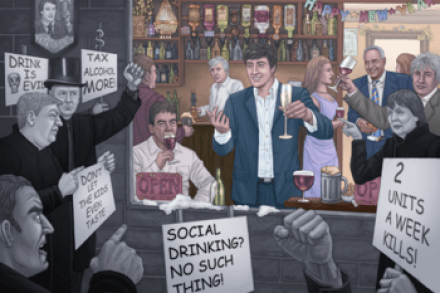
Happy New Year – and have a drink! That’s the message from the new year issue of The Spectator, where Leah McLaren has written a superb piece answering the Liam Donaldsons of this world. Here she is, in full flow: “Almost all of this country’s most famous names been unapologetic boozers. From Kate Moss to Francis Bacon to Christopher Hitchens to the Queen Mum, Brits have a great tradition of not letting their functional alcoholism drag them down. Without it, arguably, we would not have punk rock, romantic poetry or basic democratic freedoms — for as Churchill urged us to remember, he ‘took more out of alcohol’ than alcohol took out of him.

Repairing the broken society

From our UK edition

One line from the Sunday papers is still haunting me today. In the Mail on Sunday, Phillip Blond wrote that, “one million children have alcohol-addicted parents”. Think about that for a minute. What hope can these children have growing up in these kind of households? How can we as a society ensure that these children have a decent chance in life despite such a challenging start? There are no easy answers to these questions. Considering the state’s appalling record with children in care, taking these children away from their parents is not the answer. But then what is? It seems that the only answer is to deal with the problem at source, to ensure that there are fewer alcoholic adults and that people take the responsibility of being a parent more seriously.