Agriculture

Why EU farmers would object to a South American trade deal

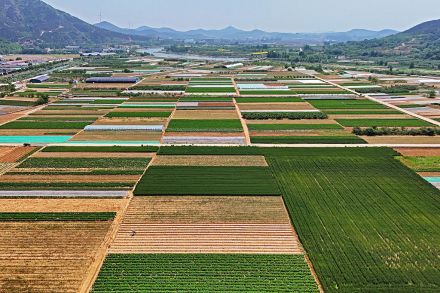
It was a weekend of mixed emotions for the European Union. There was the news from Donald Trump that he will impose a 10 percent tariff on eight European countries in retaliation for their opposition to his plans to take control of Greenland. But on a brighter note, the EU finally signed the Mercosur trade agreement with several South American countries. The European Commission hailed it as the creation of ‘a free-trade zone of roughly 700 million people’, one which they promise will save EU companies more than €4 billion a year in customs duties. Ursula von der Leyen, the Commission president, said: ‘We choose fair trade over tariffs, we

‘Corporate agriculture’ is wrong about cows and methane

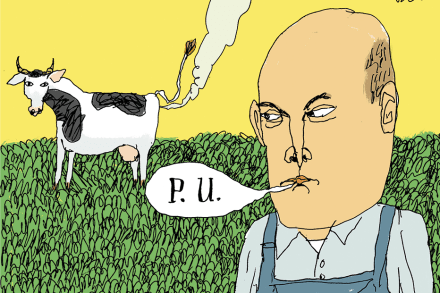
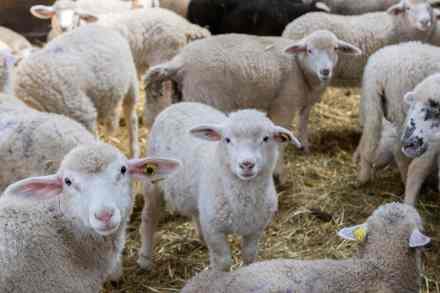
In the 1960s, scientists discovered that halogenated compounds such as chloroform and bromochloromethane could inhibit methane-generating microorganisms, also known as methanogens. This was important because agricultural scientists were trying to make livestock farming more efficient. Ruminants (cows, sheep, goats, deer, giraffes) produce the gas methane when they digest plant matter. Scientists reckoned between 2 and 12 percent of all the energy from feed was being lost as gas. If they could reduce methane production, they could increase yields of meat, milk and other products. In one experiment, feeding chloroform to sheep reduced their methane emissions by between 30 and 50 percent. The results were even more dramatic with bromochloromethane: a

Lamb is making a comeback on our barbecues

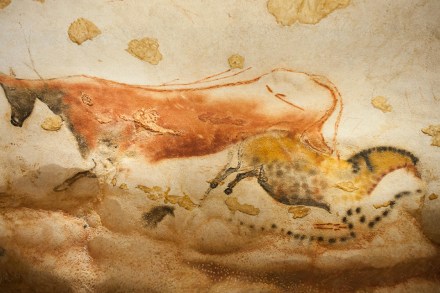
More and more Americans are turning to the barbecue pit when it’s time for holiday gatherings. Some eschew the oven and cook a pork shoulder or turkey on a backyard smoker or grill. Others outsource the work and bring home takeout trays from a local barbecue restaurant. A whole smoked brisket or pork shoulder makes for an impressive centerpiece, but this year I have a different suggestion. How about barbecued lamb? Bear with me. Lamb was once among the most popular barbecue meats. But after World War Two it all but disappeared from American pits. Over the past two decades, as aspiring backyard chefs have acquired ever-fancier offset smokers and

lamb