Afghanistan withdrawal

Trump blames Biden for shooting of National Guardsmen

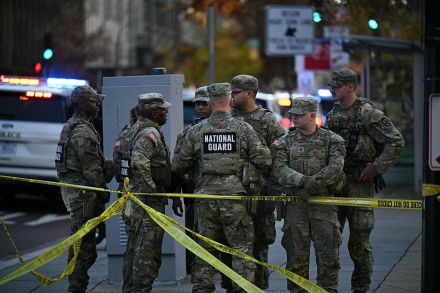
In response to the attack on Thanksgiving eve by a suspected Afghan national upon two West Virginia National Guardsmen, President Trump demanded a renewed effort to expel illegal immigrants. During a brief and uncompromising address from West Palm Beach that bore the rhetorical fingerprints of White House advisor Stephen Miller, Trump ripped into illegal immigration and former president Joe Biden. The President deemed the influx of refugees from Afghanistan and elsewhere the “single greatest national-security threats” facing America. Biden was a “disastrous president.” Trump reserved special scorn for his detractors who he said purport to protect constitutional liberties but are leaving America exposed to rampant criminality.
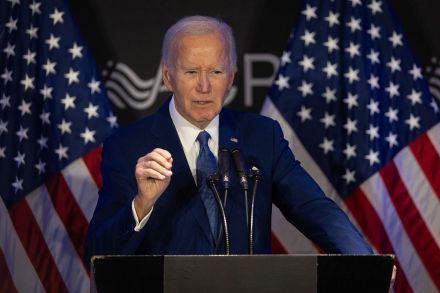
Joe Biden’s puzzling legacy

The commentariat is awash with experts on prostate cancer. What precipitated this sudden acquisition of specialized medical expertise? Why, the announcement that former president Joe Biden is suffering from stage four of the big PC which, the news reports are gasping, has metastasized to his bones. Let me pause to join Donald Trump in expressing my best wishes to the former president for “a fast and successful recovery.” Let me also recall how suddenly the world became populated with epidemiologists after the Wuhan flu led Anthony Fauci, Deborah Birx and the entire bureaucratic establishment to discover their inner totalitarian hankerings. The revelation about Biden’s health is a sort of synecdoche for a much larger universe of pain.

Biden

‘Kind of funny’: former House staffer rejects Foreign Affairs Committee’s defense of Afghanistan investigation

A senior investigator who resigned from the House Foreign Affairs Committee last week is hitting back at the committee’s attempts to defend its investigation into the United States’s military withdrawal from Afghanistan. Jerry Dunleavy, a former Washington Examiner reporter who wrote a book about the fall of Kabul in the summer of 2021, joined the Foreign Affairs Committee at the behest of senior staff about a year ago. In his resignation letter that was made public last week, Dunleavy accused the committee and Chairman Michael McCaul of not running a serious investigation into the Biden administration’s withdrawal from the twenty-year war in Afghanistan.

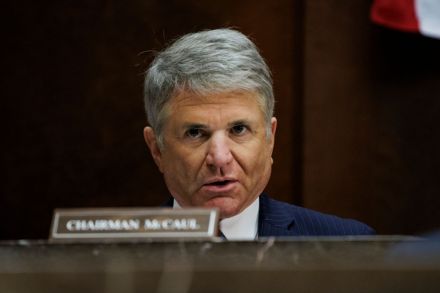
Committee Chairman Michael McCaul (R-TX) speaks during a House Committee on Foreign Affairs hearing (Photo by Samuel Corum/Getty Images)

A superbly written and insightful account of the contemporary American military

Four-star Marine General Kenneth “Frank” McKenzie headed US Central Command — CENTCOM, covering the Middle East — from spring 2019 until spring 2022. It was an eventful, and stressful, three years: taking out long-time Islamic State head Abu Bakr al-Baghdadi in 2019, then notorious Iranian Quds Force commander Qasem Soleimani in early 2020 and overseeing the disastrous final withdrawal from Afghanistan in 2021. Prior to CENTCOM, McKenzie had spent four years in two top-level Joint Chiefs staff posts, and before that he served multiple tours of duty on the ground in Afghanistan. As a younger officer he had been in the Pentagon on September 11, 2001, when American Airlines Flight 77 hit; he was commissioned in the Marine Corps right out of the Citadel in 1979.

McKenzie

Who’s really behind the Biden administration’s foreign policy?

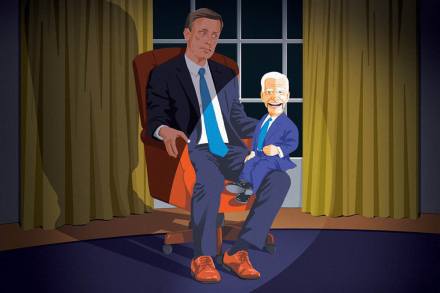
If you’re one of the many people worried that US foreign policy is in the hands of a visibly declining eighty-one year-old president, Alexander Ward’s account of the Biden administration’s first two years in office may — or may not — make you feel better, for he leaves readers with little doubt as to who is actually the executive branch’s most influential decision-maker: forty-seven year-old national security advisor Jake Sullivan. Ward might deny any such authorial intent, but time and again he shows his hand, as when he invokes “Sullivan’s first two years at the helm alongside Biden.

biden ward