Actors

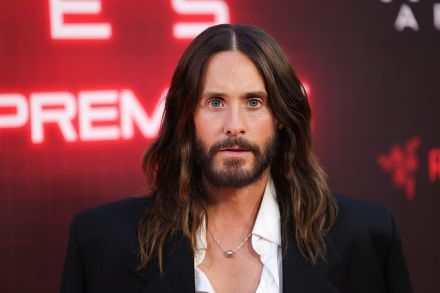
Why does Jared Leto still have a career?

This weekend, Tron: Ares releases across US cinemas, and is expected to make a decent, rather than record-setting, amount of money in its opening weekend. It is a curious film franchise in that neither of the two films that precede it are especially beloved, but both have iconic soundtracks composed, respectively, by electronic music pioneer Wendy Carlos and French electro duo Daft Punk. (The honors this time around fall to Trent Reznor and Atticus Ross, aka Nine Inch Nails.) Yet whatever the strengths and weaknesses of Tron: Ares – and the early reviews have not been kind – there is one aspect that can only make audiences groan in anticipation, and that is the casting of its star, Jared Leto.

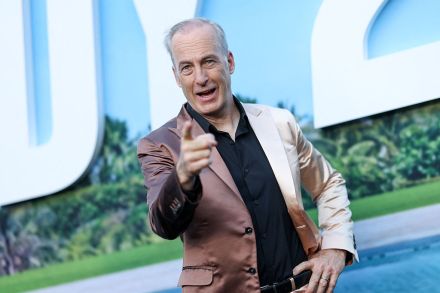
The greatness of Bob Odenkirk

If viewers of Breaking Bad had taken bets during the show’s original run on which of the cast was likely to become a breakout action-film star a decade after the series finished airing, Bob Odenkirk would likely have been near the bottom of that list. The young actor Aaron Paul was perhaps the most obvious prediction, but Jesse Plemons, Dean Norris – even a grizzled and pumped Bryan Cranston – were all more predictable choices to do an alpha-male Liam Neeson-meets-Keanu Reeves act than the foppish comic relief Jimmy McGill, aka criminal lawyer (in both senses) Saul Goodman.

Bob Odenkirk (Getty)

Val Kilmer should be more appreciated in death than he was in life

The late Val Kilmer was difficult. That word is a kiss of death in Hollywood, because as soon as it’s murmured that you are hard to work with, your career declines inexorably. Kilmer had directors lining up to say how impossible he was. Joel Schumacher, who made Batman Forever with him, barely stopped kvetching about the actor, calling him “overpaid, overprivileged and psychotic.” Shortly after the film’s release, Schumacher said “He was badly behaved, he was rude and inappropriate. I was forced to tell him that this would not be tolerated for one more second. Then we had two weeks where he did not speak to me, but it was bliss.

Kilmer

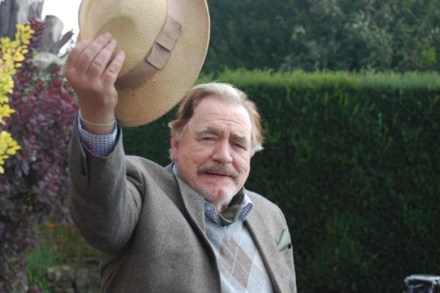
Michael Richards’s memoir is heavier on introspection than laughs

An unusual disclaimer greets the reader on the title page of this memoir of an actor chiefly known for starring as the lovable goofball Cosmo Kramer on the hit TV sitcom Seinfeld. “Neither the US Army nor any other component of the Department of Defense has approved, endorsed, or authorized this book,” it notes. But in the event the Pentagon probably needn’t have worried. Drafted into the army in 1970, the actor in question, Michael Richards, seems to have avoided any Sergeant Bilko-like shenanigans and instead separated from the service with a heightened appreciation for the punctuality, discipline and meticulous preparation that characterized his later career.

Richards