Alina Habba

The judiciary picks another fight with Trump

The second coming of President Trump has brought an invigorated commander-in-chief asserting broad authority over the executive branch, reigniting debate over how much power the president has over his own subordinates, including US Attorneys. At present, the battle has focused on one US Attorney in particular. On March 24, 2025, the President named Alina Habba, his former personal attorney, the Interim US Attorney for the District of New Jersey. There’s a catch: Interim US Attorneys may serve only 120 days. On July 1, the President nominated Habba for Senate confirmation as New Jersey’s US Attorney; if confirmed, Habba could have served permanently at the pleasure of the President. Neither of her home state’s senators (both Democrats) supported Habba.

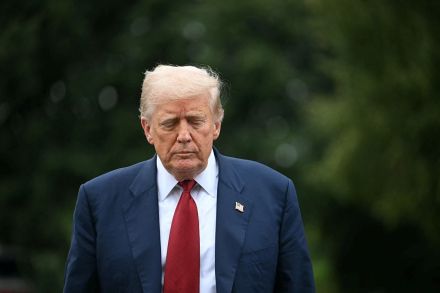
President Donald Trump (Getty)

Alina Habba’s Jersey justice

Alina Habba, President Trump’s new United States Attorney for the District of New Jersey, got her first major collar this week: Congresswoman LaMonica McIver, who Habba charged with assaulting, impeding or interfering with law enforcement after a scuffle outside an ICE facility got rowdy. One of McIver’s Republican colleagues in Congress quipped to Cockburn that there are “so many Democrats breaking the law,” yet “so few US Attorneys ready to charge them for it.” Habba’s actions were predictably opposed by all Democrats in Congress, and may already be reshaping the governor’s race in Habba’s home state of New Jersey. Where you sit on this issue determines whether you think McIver is guilty of assaulting ICE agents.

habba

Sad: DC only joint-second in national excessive drinking

District winos Washington second for excessive drinking – behind Montana Cockburn’s malign influence appears to be spreading its way across the capital: new data reveals that DC is now tied second in the nation for having the most excessive drinkers, alongside North Dakota and Iowa. Only Montana has the district beat, according to a 2025 update to the County Health Rankings and Roadmaps report from the University of Wisconsin’s Population Health Institute.