-
AAPL
213.43 (+0.29%)
-
BARC-LN
1205.7 (-1.46%)
-
NKE
94.05 (+0.39%)
-
CVX
152.67 (-1.00%)
-
CRM
230.27 (-2.34%)
-
INTC
30.5 (-0.87%)
-
DIS
100.16 (-0.67%)
-
DOW
55.79 (-0.82%)
The SNP needs a clean break from Sturgeon if it wants to survive
The SNP meets in Dundee this weekend for a special conference on independence. Four months since Nicola Sturgeon resigned as leader and three months since Humza Yousaf narrowly became leader and the police investigation into party finances began, it’s fair to say that the party is in a confused state.
The mood is febrile. Some think that normalcy will return; others that the independence project can triumph in the near-future by some miracle fix. Many cling to the wreckage of Sturgeon, while a few still yearn for the return of the emperor over the water Alex Salmond. What is missing is an honest assessment and understanding of where the SNP is, the deep hole it occupies (much of it of its own making) and how it can begin to get out.
‘We’ll have a conference to ask the members if they have any wheezes to get us out of the dead end we’ve driven us all into.’
The SNP still has numerous advantages. It has been in office for 16 years and is still the current Scottish government (albeit propped up by the Greens). It has a proven election-winning habit, a cause and a divided and until now, inept, opposition.
Despite the obvious need for the party to reunite in the wake of the last few months, it is not clear what the Dundee gathering is for — rather than just another ploy to convince members that there’s progress. One long-standing member not going to Dundee summed up the leadership’s likely rationale: ‘We’ll have a conference to ask the members if they have any wheezes to get us out of the dead end we’ve driven us all into.’
The state of the membership is brittle and fractious. There is still a degree of loyalism in the ranks, some of who have seen previous hard times and think people should buckle down and focus on campaigning and leafleting. ‘They think we should all be out chapping doors — while the rest of us think we have nothing to say when the door is answered,’ said a senior activist in disgust.
Then there is the ‘believe in Nicola’ group who still cling to the memory of the once glorious leader. ‘I love Nicola Sturgeon,’ a female friend of mine (not in the SNP) suddenly announced over lunch when the current troubles began. ‘No, you don’t,’ I instantly replied. She reflected for a moment: ‘You’re right — but I believe in her.’ This was not a romantic nationalist, but instead someone imbued in social policy and legislation over decades who still clung to an old image, before it was tarnished by ongoing events.
Then there are the crackpots, cranks and malcontents who make waves and noise, but go nowhere. They are a symptom of the lack of leadership, drift and the ‘not standing up to the bams’ — troublemakers — over many years under Salmond and Sturgeon, as one SNP member described it.
But the largest group in the Scottish National party, with a wider, deeper sense of betrayal and anger at Sturgeon and the leadership, feel personally let down by a leader they once trusted and felt connected to. There are numerous reasons why the spell has been broken: feelings of a directionless government, controlling leadership, incompetent governance, ignoring the concerns of party members and the perceived mishandling of specific policy areas such as the gender bill. This constituency has grown in size dramatically since Sturgeon announced her resignation. One activist accused the former SNP leader of ‘dumping us in it, walking away, but not completely walking away’.
And of course a major legacy of the Sturgeon leadership is a party that has forgotten how to debate or to keep their political antennas sharp. One longstanding party member told me: ‘I can’t think of a single thing the SNP could have done that differently in office.’
This is a party whose members have been taken for granted, manipulated and treated with distain. Examples include Sturgeon closing down debate on the party finances in the NEC which recently became public and questioning the motives of those who raised such issues. Worse: some of the leadership, true believers and cheerleaders outside the party still buy into it all. ‘What do you mean Nicola Sturgeon treated the members with contempt?’ a leading light of the Scottish commentariat asked me the other week, genuinely confused.
Nicola Sturgeon presented herself as an omnipotent leader, but her main characteristics were short-termism, party management and control. In this she has similarities with former Labour prime minister, Harold Wilson, a master tactician (ironically one of Alex Salmond’s favourite politicians), and Labour’s former first minister from 2001 to 2007, Jack McConnell, who personified an unimaginative, cautious, managerial politics — and eventually lost to Salmond. Wilson’s reputation has risen over the years since he was premier; Sturgeon’s from this vantage point looks like it can only sink, such is her lack of a positive legacy.
The largest group in the Scottish National party feel personally let down by a leader they once trusted and felt connected to.
The SNP have morphed over 16 years in office into a court party. This is a political group that embodies the insider class. It is a far cry from the nationalists’ self-belief that they have been the traditional outsiders taking on the all-powerful establishment. Now they exhibit the same characteristics as Scottish Labour did when they ran things, and yet many SNPers still don’t quite see what their party has become.
Any real philosophy of government and independence is at best threadbare — a defensive, empty social democracy and self-congratulatory Scottish nationalism. The latter is meant to be one of the great virtues of Scotland and the SNP, but it isn’t that simple. First, nationalism the world over is never enough as a guiding light even in more black and white circumstances. Second, Scottish nationalism does not actually belong to the SNP or independence.
All Scotland is shaped by Scottish nationalism. 2014 was a contest between two competing nationalisms: the Scottish variant, and unionism. The latter is arguably a form of nationalism — British state nationalism. This underlines that the pluses and minuses of Scottish nationalism (seeing Scotland as a distinct, semi-autonomous nation with some supporting full independence) will not be the decisive set of ideas which shape the country’s future. More is needed from the SNP and the unionist parties.
The SNP has exhausted itself and faces challenges internally — in government and on independence — and externally in the form of Keir Starmer and a prospective Labour government next year. This means that the leadership and members have to move on from the same old tunes. The party will face some tough times and reverses from voters, but this is an opportunity to break with the mythologies, delusions and illusions of the recent past and the Sturgeon years.
If it wants to survive and prosper, the SNP needs to change gear. It needs to listen to its members, get serious about government and its core areas, and remake its politics and raison d’être. It has to create a version of independence which avoids quick fixes, process politics and fantasies, and instead embraces heavy lifting, hard work and honesty. That may take a while — and another SNP leader — but rest assured the party is not going to go away. Not while the appetite for independence in Scotland remains.
Chris Christie goes soft on trans issues
Former New Jersey governor Chris Christie has come out against banning sex changes for minors, putting him at odds not just with the conservative base of the GOP, but with a large majority of Americans.
“I don’t think that the government should ever be stepping in to the place of the parents in helping to move their children through a process where those children are confused or concerned about their gender,” Christie said in a CNN interview Sunday. “The fact is that folks who are under the age of eighteen should have parental support, and guidance, and love as they make all the key decisions of their life, and this should not be one that’s excluded by the government in any way.”
Christie instead said that states should require “parental involvement” in gender transitions for children, presumably to mean that children cannot transition without their parents’ permission.
Christie’s position is the latest step in his evolution on the trans issue. In 2015, as governor, Christie joked about California’s bill that allowed children to use a bathroom consistent with their gender identity at school.
“Men go to men’s rooms, women go to women’s rooms and there really shouldn’t be a whole lot of confusion about that — public accommodations. And I don’t think we should be making life more confusing for our children,” Christie said then.
He also vetoed legislation that year that would have made it easier for transgender people to change their gender on birth certificates, declaring that “certain things go beyond the pale.”
Just two years later, Christie signed two bills that matched California’s bathroom policy for transgender youth and directed the New Jersey Department of Education to give schools guidance on other issues related to transgender students, such as use of preferred names and pronouns. The legislation also allowed transgender youth to participate in sports that matched their gender identity rather than their biological sex.
These stances run counter to the policy positions of most Americans, according to recent polling. A Harvard-Harris poll released earlier this month found that 78 percent of voters think puberty blockers and surgical interventions for transgender individuals should only be available to adults. A Gallup poll found that 69 percent of Americans believe transgender people should only play on sports teams that match their biological sex.
Christie’s position on trans youth is not the only one that has raised eyebrows on the 2024 campaign trail.
Former South Carolina governor Nikki Haley gave a puzzling response during a June 5 interview with CBS when asked about how she would respond to a twelve-year-old child that wants to transition.
“I think the law should stay out of it and I think parents should handle it,” Haley said. “This is a job for the parents to handle. And then if that child becomes eighteen, if they want to make more of a permanent change, they can do that. But I think up until then, we see with our teenage kids, they go through a lot during puberty go through a lot of confusion, they go through a lot of anxiety, they go through a lot of pressures.”
The day prior on CNN, Haley reminded Jake Tapper that she did not pursue a bathroom bill in South Carolina because they treated each transgender child on an individual basis and found them a separate restroom. She also said of transgender kids, “Let’s get them the help, the therapy, whatever they need so that they can feel better and not be suicidal.”
A plurality of Americans — 41 percent versus 31 percent — said that they at least somewhat support requiring transgender individuals to use the bathrooms that match their biological sex, according to a Pew Research poll from September 2022. Other polls have similarly found that support for bathroom bills is increasing over time.
The former UN ambassador’s statements left some confused as to whether she supports banning gender transitions for minors, or not. Her spokesperson, Ken Farnaso, later clarified that Haley “supports banning sex change treatments for minors” and confirmed to The Spectator that this includes puberty blockers, hormone therapy and surgical interventions.
Meanwhile, former vice president Mike Pence was unequivocal about banning gender transitions for children but sparked ire among some social conservatives due to his interesting interpretation of Christianity in regard to adult sex changes.
In an interview with Jordan Peterson, Pence said, “I’m libertarian enough to to say if you’re an adult, live the way you want to live.”
“I might not agree with the decisions you make but we’ll love you and love our neighbor as ourselves — as my faith requires,” he asserted.
Some of the faithful have argued that conservatives should take a harsher stance against all gender transitions because of a recognition that actually changing sex is biologically impossible — 60 percent of Americans agree that gender cannot be changed — and that biblical teaching would reject the notion that people are born in the wrong body. A majority of Americans even agree that changing one’s gender is “morally wrong”.
All of these candidates have the opportunity to address their stance on the transgender issue, if they choose, at the Road to Majority Conference hosted by the Faith and Freedom Coalition this weekend. Pence and Christie addressed the crowd of approximately 3,000 conservatives Friday — and neither opted to do so. Haley will speak Saturday morning.
FFC are not planning to endorse a candidate yet, despite Donald Trump’s keynote address Saturday night. “We won’t officially endorse, nor will we kind of unofficially put our finger on the on the scale. We think of ourselves as matchmakers more than kingmakers,” Tim Head, executive director of the Faith and Freedom Coalition, told The Spectator. “We just try to introduce voters to candidates and candidates to voters.” What Republican primary voters make of candidates who are squishy on the trans kids issue we won’t fully know until next January.
In praise of megarich adventurers
There’s rich and there’s rich. There’s a number beyond which stuff starts to get boring. I’m not sure what it is, but it’s the point at which you run out of restaurants to frequent and clubs to join and clothes to buy and you start thinking bigger. You start thinking about going to space and colonizing Mars — and exploring the dark depths of the deep blue sea. It is the reason that Elon Musk sold his seven homes and chucked out most of his possessions and torments his staff by sleeping at work. It is also part of the reason that five men are now sadly believed to have died while aboard a missing submarine after a “catastrophic implosion.”
If we didn’t love to hate the rich, this would have been seen for what it is: a tragedy. But in these chronically online and pathetically political times, the reaction to the news has been to label them “rich idiots,” or to publish articles about what political party the CEO of the submarine company donated money to, or to tell all of our online followers what moral mission we would have spent our fortune on.
At times this criticism was hinted at. At others it was explicit. Ash Sarkar, a tasteless British activist, seemed to think that the incident was an argument for socialism: “The Titanic submarine is a modern morality tale of what happens when you have too much money, and the grotesque inequality of sympathy, attention and aid for those without it. Migrants are ‘meant’ to die at sea; billionaires aren’t.” Five men dying in a nightmarish accident is now nothing but fodder for the culture war, because it happened to be an expensive accident. If you can muster up any sympathy for them, you are on the wrong side, comrades.
We have become too comfortable telling people with lots of money how to spend it. If you dared to counsel a single mother on welfare on how to spend her last twenty bucks you’d be denounced for patronizing insensitivity. Telling a friend she should have forked out a bit more for a hairdresser would be considered very rude. The truth is that nobody should tell them how to spend money; I don’t care if the single mother spends her last dime on cigarettes or baby wipes and nobody else should either — and I’ll still love my friend with her cheap, wonky bangs. When it comes to people with hundreds of millions and billions, we start to take the moral high ground. We start talking about how their money could save the world and about how they don’t need to do anything more extravagant with it than that. We want rich people to spend their days pottering around reading books or sailing on their yachts and even then we still hate them, we just hate them less than if they do anything out of the ordinary because it doesn’t make the news.
Space looks boring and I can’t swim, so neither activity is really for me but I’m glad someone else is bothering to go. Every man I’ve ever asked would go to space in a heartbeat no matter the risk, and every woman I’ve ever asked isn’t fussed. (We’re smarter). A flight there will cost you anything from $250,000 to $500,000 for suborbital trips (a fifteen-minute ride to the edge of space and back) or, for the more hardcore trips to actual orbit you’re looking at $50 million per seat. Isn’t that amazing?
Rich men doing crazy, borderline stupid, things has long been the way we push things forward. Newton was born rich and could wait for an apple to fall on his head; in fact the entire of the Royal Society was made up of toffs. Charles Darwin never had to work for his living and thank God for that. Voltaire had so much dosh that he loaned some of it to Kings and if James Watt wasn’t well-bred, he’d not have invented the steam engine. It turns out that if you don’t have to slave away working Victorian peasant hours, you have the freedom and means to do what no one has before, and sometimes it works.
Far worse than megarich adventures are rich people who don’t have fun. I know a couple with tens of millions tucked away that live in a two-up-two-down outside of London because they don’t want their socialist friends knowing how much dosh they have. Could you imagine that? It’s like Jay Gatsby having a five-person dinner party because he doesn’t want to show off.
What this comes down to is the fact that we don’t have billions of dollars, so we don’t really know how we’d spend it because we can’t even imagine it. You better believe if I win big that I’d be skydiving over Mount Everest ($25,000) or taking a private plane to the South Pole, and that’s after my $100,000 facelift and eating every edible flower prepared by every top chef and ordering every drink on the menu. Let rich people spend their money however they want, if only for the fact that listening to someone talk about how they are investing it all in their children’s future, is quite possibly the most boring thing you can hear.
The Titan deaths were utterly avoidable
When the news broke that the Titan submersible was missing, naval experts immediately recognised that the chances of saving the lives of those on board were, realistically, tantamount to non-existent.
With rare agreement, they swiftly concluded that the kindest outcome for the five passengers would be that the submersible had imploded.
Hard-hearted as this may sound, their deaths were vastly preferable to the terrifying demise of gradually suffocating in a cold, inky darkness
Ruptured parts of Titan’s titanium end caps found yesterday, mere metres from Titanic’s wreck, show that the vehicle did suffer from an abrupt, catastrophic hull collapse.
It may be that those on board were aware of a problem. But they would have had no inkling that death was imminent – the implosion would have taken far less than a second.
Given that Titan had by then dived to nearly 3,800m, the weight of sea water would have generated pressure of at least 5,500 pounds per square inch, meaning that their bodies will have almost undoubtedly been instantly decimated. It’s the grimmest of deaths, not least for families left with nothing to bury.
But hard-hearted as this may sound, it was vastly preferable to the terrifying demise of gradually suffocating in a cold, inky darkness.
One third of Royal Navy submariners perished during WW2, many of whom drowned in similar conditions and have no graves. The Senior Service knows many of these sailors suffered before death; it’s one of the reasons why they are deferentially referred to as being ‘on eternal patrol’.
It became clear as we neared the deadline for Titan’s oxygen supply running out that searchers were shifting their goal from rescue to recovery. Retrieving Titan’s remains from the seabed will cost millions but should yield some clues to its ending. It is possible that stress sensors on the hull might have been triggered and, if so, perhaps this information was retrieved. But OceanGate Expeditions has so far been mute about what it knows.
The search and rescue team believes that Titan imploded several hours after diving on Sunday, and it’s emerged that the US Navy picked up sounds of the suspected accident at a similar time to when communications with the submersible cut out.
The American Navy has had sensors on the coast for several decades. During the second world war, German U boats mounted Operation Drumbeat, which saw its submarines successfully attack America’s east coast. One boat even surfaced close enough to New York to see the city’s lights on the horizon. This led the US Navy to develop a classified early warning system, with seabed sensors installed along the coastline to pick up any future enemy submarines.
A more modern version of this, called the Integrated Undersea Surveillance System (IUSS), is now in place and, given the effectiveness of sea water as a conduit for sound, is very likely to have a recording of the submersible’s brief death rattle.
The Navy’s report into the incident will be extremely detailed – but also probably subject to classification.
IUSS successfully detected the implosion of the Argentine submarine ARA San Juan in November 2017 and was able to pinpoint not only its exact position, but that water entered her at 1,800 mph and the pressure hull collapsed in four milliseconds.
The Naval Intelligence lead analyst concluded: ‘They did not drown or experience pain. Death was instantaneous.’
The US Navy is currently being slated for not revealing what it knew about Titan’s collapse during the rescue – but it deems operational security far more important than releasing sensitive information into the public domain. It will also have given the coast guard as much information as possible.
Other questions still remain though about the quality of the Titan vehicle and OceanGate’s decision to desist from regulatory oversight. Compared to other well-established deep sea operators, bristling with sophisticated tech, the Titan seemed very rudimentary. This set alarm bells ringing for specialists years ago. Submitting Titan to independent scrutiny would not only have allowed proper assessment of its design but, crucially, meant that the submersible had a strict, clearly-defined maintenance programme.
The explicit reason why the UK built four Trident Vanguard-class submarines was to allow for periods when the boats could be painstakingly maintained and brought back to the standard required for another patrol.
Admirals are all too aware that submarine and warship hulls degrade from being submerged and endlessly hit by waves – this is why some Type 23 frigates are currently being retired early.
Surely OceanGate must have been aware of this cyclic degradation – but did they properly test and research it?
Perhaps Titan had a black box, which can be recovered and we’ll eventually learn more. More likely it didn’t and these latest Titanic deaths will generate another enduring mystery. What’s abundantly clear already, though, is that these five deaths were utterly avoidable.
Kari Lake grabs the headlines
Choking up with the Faith and Freedom Coalition
Imagine a venue where you can watch Kane from WWE following up Vivek Ramaswamy. That’s where Cockburn finds himself this Friday morning: in the ballroom of the Washington Hilton at the Faith and Freedom Coalition’s Road to the Majority Conference.
Sound like a mouthful? Cockburn is counting the mentions of the left’s agenda being “rammed down our throats” (two so far — is this a biblical reference?). Seven presidential candidates are speaking today. So far Cockburn’s clocked Vivek, Mike Pence, Tim Scott and Francis Suarez — unforgivably he missed Asa Hutchinson after getting wrapped up in conversation with a trafficking advocate (anti) in the entryway. He just watched Chris Christie get heckled and booed for criticizing Donald Trump. Ron DeSantis is to come later today. Larry Elder and Nikki Haley are scheduled for Saturday before Trump delivers the keynote at the conference’s dinner — which Cockburn hopes isn’t rammed down the guests’ throats…
Out in the foyer, you can pick up a towel with the Pledge of Allegiance on it or a hoodie bearing the message “RED WHITE and TRUE” and a Labrador’s face. “This is really Obama’s third term,” a MAGA-hatted zoomer with a blonde mullet tells a friend. Needless to say, by the time this hits your inbox, Cockburn hopes to be at the hotel bar. Here are some more tidbits to tide you over…
Riley Gaines for office in Kentucky?
Whispers on the Hill are floating an unorthodox name to be GOP nominee for lieutenant governor of Kentucky: Riley Gaines. The former University of Kentucky swimmer may have been beaten to the podium by Penn’s Lia Thomas, a trans woman, at the women’s NCAA championships, but she’s impressed politicos in her recent congressional testimony, in TV hits and in recent speeches nationwide. The Capitol Hill mutterings fly in the face of an important fact: Gaines is twenty-three and would therefore be ineligible for another seven years. Still, Republicans seem to think the swimmer is destined for great things…
How is the Feng shui at Axios?
DC media or Curb Your Enthusiasm? Axios co-founder Mike Allen is certainly known more for his newsletter-writing ability than his social awareness, but even Cockburn was stunned by a phrase that supposedly once came out of Allen’s mouth.
A spy was riding the Axios building elevator with Allen the morning after one of the outlet’s parties last spring. “Last night was so perfect,” Allen told one of his toadies. As you know I over-index on Feng shui. The room was perfect, the group was perfect.” There was one downside, though: Allen griped to his colleague about “Tom, who didn’t loosen his necktie.”
“What an absolute psychopath,” the spy said of Allen’s Queer Eye-esque party analysis. A message to Mike: invite Cockburn next time — he does wonders for the Feng shui…
Kari Lake grabs the headlines
Three otherwise unrelated Kari Lake stories from yesterday worth your perusal:
The Washington Post’s Yvonne Wingett Sanchez and Mariana Alfaro, June 22: “Kari Lake accused of defamation in suit filed by Arizona election official”
People magazine’s Virginia Chamlee and Marisa Sullivan, June 22: “Kari Lake Appears at Mar-a-Lago More than Melania Trump and ‘Practically Lives’ in a Suite”
The Daily Mail’s Rob Crilly, June 22: “EXCLUSIVE: Bikini-clad Kari Lake swaps Mar-a-Lago for the Bahamas and a family vacation before her book tour next week and a likely Senate run in the fall”
My party will go on
How much would it take for you to change the theme of your party hours before it was due to start? Picture it: the caterers have already sliced the sandwiches to look like fish, the blue bunting is hanging across the hall. This is the dilemma faced by Pembroke College at the University of Cambridge in England Wednesday as they hosted an underwater-themed May Ball, the same night that an alumnus of the college, Hamish Harding, was missing underwater in the Titan submersible.
“If we could change it now, we would,” the committee claimed when they were criticized for their decision to go ahead with the ball, titled Into the Depths. But according to a report in the student newspaper, revelers were pleasantly entertained with nautical-themed music including Celine Dion’s hit “My Heart Will Go On,” from the film Titanic, while Harding and four others were thought to be trapped thousands of feet underwater. Unfathomable.
Sign up here to receive Cockburn’s gossip column in your inbox at Friday lunchtime.
The shameful condemnation of the Titan Five
The five departed souls of the Titan submersible suffered two tragedies. First, the tragedy of dying in a catastrophic implosion deep in the North Atlantic. Then the tragedy of posthumous ridicule. There seems to be a stark and bleak lack of sympathy for the men who perished. Instead a moralistic mob has found them guilty in death of the worst sin of our times: hubris.
Much of the discussion about these doomed adventure seekers is making me feel nauseous. The virtual chatter is even worse. The bony finger of judgement is being pointed. ‘Who in their right mind would pay a quarter of a million dollars to gawp at the ruins of the Titanic?’, ask armchair moralists. It feels like an orgy of puritanical derision, with some even asking if these decadent men with more money than sense got what they deserved.
Like Pope Formosus they have been put on trial after death, only in the kangaroo court of Twitter priggishness rather than in a cadaver synod. Their great offence was arrogance, apparently. Joy Behar, host of the American daytime TV show The View, bemoaned the ‘stupidity’ and ‘hubris’ of the Titan mission. That H-word is everywhere. This was a ‘holiday with hubris’, says one observer, which is when the insanely rich indulge their ‘dangerous fantasies’.
The cruel response to a human tragedy tells us more about ourselves than it does about the five souls lost to the sea
Just as the sinking of the Titanic was turned into a metaphor for the fallibility of industrial man, so the Titan tragedy is being talked up as a kind of retribution for the conceits and vanities of our own era. This doomed mission was ‘born of hubris’, says Ash Sarkar. Filmmaker James Cameron, who directed the 1997 weep-fest Titanic, says the ill fate of both that early 20th-century ocean liner and today’s imploded submersible was brought about by ‘arrogance and hubris’.
Some of the handwringing over the Titan mission is underpinned by a juvenile pseudo-Marxism. ‘God, the super-rich are so decadent and reckless’, cry middle-class leftists online, mercifully taking a break from mocking working-class ‘gammon’ to dance on the watery graves of the recently deceased rich.
And some of it is motored by the modern regressive urge to remind humanity that nature still has the upper hand over us. This tragedy was a case of ‘man vs nature’, said Alyssa Farah Griffin on The View. A writer for Teen Vogue says the sinking of the Titanic should have been a ‘cautionary tale of mankind’s belief in science dominating nature’ and yet still, even after we ‘f**ked around and found out a century ago’, people are willing to ‘board a large metal Tic Tac’ destined for the bleak seabed.
What miserable, misanthropic times we live in. I am appalled at the speed with which the Titan tragedy has been weaved into a moral narrative about the folly of risk-taking, the unreliability of science and the outright hubris of imagining that we can, or should, venture to the mysterious deep of the oceans.
The cruel, brusque response to a human tragedy tells us far more about ourselves than it does about the five souls lost to the sea. It confirms that we turned our backs on adventure, daring, exploration and modernity itself. Give me the danger-seeking of those five men over the meek and cowardly anti-modernism of the opinion-forming set any day of the week.
And don’t for one minute fall for the Marxian gloss on some of the virtual critique of the Titan mission. These bourgeois moralists sneering at the rich for exploring the dark of the ocean are just as likely to condemn oil exploration or shale-gas exploration or deep digging for coal. Every application of man’s scientific prowess, every one of our interferences with nature, is offensive to these Malthusians disguised as Marxists, whether it’s being done to facilitate a rich person’s ‘holiday with hubris’ or to create well-paid jobs for the working class.
I, for one, pay tribute to the men on the Titan. They were not just on their way to stare at a doomed old ship – they were venturing deeper into the sea than the vast majority of humans will ever go, presumably from a thirst for experience and knowledge. They knew the risks and went ahead anyway, so determined were they to know what it’s like to visit a strange, distant world. We need more of that spirit in this cautious young century.
How Winnie Ewing transformed Scottish politics
Icon. Legend. Pioneer. None of the descriptions we have heard since the news of her passing are fitting for Winnie Ewing. She was an iconic figure in Scottish nationalism, to be sure – her victory in the 1967 Hamilton by-election heralding a new political consciousness north of the border. She did take on a legendary quality, not least after she was dubbed ‘Madame Ecosse’ and became a symbol for an outward-looking Scottish Europeanism. She was a pioneer, the first female SNP MP at a time when both her party and parliament were the domain of men.
Yet Ewing’s foremost contributions were not symbolic but tangible and practical. In five decades of frontline political activism, she proved it was possible to challenge Labour’s iron grip on Scotland, to turn street-stall idealism into a viable political platform, and to embrace the cause of Europeanism without diluting that of nationalism.
Her public service spanned three legislatures, as MP for Hamilton (1967-70) and Moray and Nairn (1974-79), MEP (1979-99) and MSP for Highlands and Islands (1999-2003). She also had an 18-year stint as president of the SNP. Two of her children, Fergus and Annabelle, followed her into politics and both have held ministerial office at Holyrood, while Fergus’s late wife Margaret was a long-serving MP and MSP. The family was dubbed ‘the Ewing dynasty’, though for dramatic flair and intrigue they could not rival the warring petro-clan of Dallas.
Ewing, who was born in 1929 to a family supportive of Keir Hardie’s Independent Labour Party, studied law at Glasgow, where she joined GUSNA, the Glasgow University Scottish Nationalist Association. She worked as a solicitor before being approached to put her name forward as an SNP candidate in Hamilton. When veteran Labour MP and Wilson-era transport minister Tom Fraser quit parliament to head up the North of Scotland Hydro-Electric Board, Ewing threw herself into a by-election that would change the fortunes of Scottish nationalism forever.
Robert McIntyre, the party’s first MP, had won Motherwell in a by-election at the tail end of world war two but lost it 84 days later in Clement Attlee’s landslide. Ewing’s victory in Hamilton made her the party’s second ever MP and the public face of the party and the cause. But it also made her a target. The only SNP MP at Westminster, she was barracked and belittled constantly by Scottish Labour, who could not forgive her for winning a seat that belonged to them. The dehumanising and tormenting of political opponents is seen as a virtue today — they are evil, after all — but the treatment of Ewing was astonishingly malevolent even for the febrile world of Scottish politics, then and now. For six months, a male Labour MP stalked her, following her as she walked alone through the Palace of Westminster after late-night divisions.
Those of a certain vintage will recall photographs of her arrival at Westminster, complete with a slightly regal wave of her right hand. Many more will be able to quote her most famous line: ‘Stop the world, Scotland wants to get on.’ Yet the monument to Ewing’s political career stands not in optics or oratory but in the way in which she transformed her party. She was instrumental in the SNP’s evolution from suspicion of the European project to resolving on ‘independence in Europe’ as its platform. Historian Owen Dudley Edwards told the journalist Robbie Dinwoodie:
‘Winnie Europeanised the party. She made us look at Europe as the place where the party was a success. Westminster by that stage had become the graveyard of the SNP vote and Winnie offered a new destiny in the European Parliament. And this was down to her chutzpah and, in fairness, to her charm.’
Before Ewing, there was a paradoxical Britishness to elements of the party’s political culture. Several of its earlier leaders and figures of consequence had come from the Labour tradition. In the initial years, some factions believed a self-governing Scotland could remain part of the British Empire. Generations of prominent Nationalists saw the Commons not only as a means to recapturing Scotland’s sovereignty but as a venerable institution. Ewing coaxed the party along a different path and today’s Scottish political culture, which prioritises securing Scotland’s future in Europe over reconciling devolution with the Union, is a testament to her success. As well as a committed European, Ewing showed more sympathy for the Irish than some in the SNP were comfortable with, including one occasion where she defied party headquarters to present a petition to the European Parliament on behalf of the wives of prisoners held in the Maze. Despite this, she enjoyed as warm a relationship with the Reverend Ian Paisley as she did with John Hume.
She was also an admirer of Israel and, perhaps surprisingly, Menachem Begin, who would become the country’s first right-wing prime minister in 1977. In her autobiography, Stop the World, Ewing recalls reading The Revolt, Begin’s account of how the Irgun, the Zionist paramilitary organisation he led, drove the British out of the Land of Israel. She was impressed by Begin’s statement that, ‘When the enemy think there is no retaliation they grow bolder’, a line that inspired her to fight back against her Labour tormentors in the Commons.
The term has fallen out of favour of late but Ewing was plainly a philosemite, a gentile who felt profound affinity with Jews. She had ‘long been interested in Israel and the Jewish religion’ and grew up with many Jewish neighbours on a street with a synagogue nearby. As a child, she acted as a shabbos goy (a non-Jew who works for Jews on the sabbath) to the Grossmans, the Ewings’ Orthodox neighbours, and earned a shilling lighting their fires and performing other duties. As an MP and later MEP, she worked with Glasgow solicitor Leslie Wolfson for the release of Jewish refuseniks from prison in the Soviet Union. In the case of Wolf Zalmanson, condemned to a labour camp for teaching Hebrew, Ewing orchestrated a mass letter-writing campaign by Elgin schoolchildren to the imprisoned engineer. She would later meet him as a free man in Tel Aviv.
In September 1969, Ewing and husband Stewart booked a two-week package holiday to Israel, hoping to squeeze in a relaxing break before the 1970 election. The Israeli government had other ideas. No sooner had they landed at Lod airport than they were summoned to the reception and informed they were special guests of the state. Soon they were being chauffeured around the Holy Land in Golda Meir’s personal limousine. Future prime minister Menachem Begin treated Winnie to lunch while former premier David Ben-Gurion served her coffee during a stop at a kibbutz.
An IDF colonel took the Ewings to tour Bethlehem, recently liberated in the Six Day War, and other historic sites. She swam in the Sea of Galilee, bathed in the Dead Sea, and saw Masada, where Jewish warriors committed mass suicide in the first century rather than surrender to the Romans. The tale of a small but stout-hearted band of true believers refusing to bend to a mighty empire was almost tailor-made for Ewing’s political worldview. She was Madame Ecosse but she was also G’veret Skotland.
Ewing had her own last stand 30 years later at the first sitting of Holyrood. As Mother of the House, it fell to her to preside over the oath-taking and she declared: ‘The Scottish Parliament, which adjourned on 25 March 1707, is hereby reconvened.’ It was a cheeky, if romantic, flourish.
Winnie Ewing, who died on Wednesday aged 93, was the living conscience of the SNP, an ethic of hope, patriotism and democratic impatience that blew through the corridors of Westminster, Brussels and Holyrood. Those places carry her imprint and so do the people who knew her. Winnie Ewing lived a life of her own but she also lived the life of a nation.
Barack is back… to save the Democratic Party he stymied
When Barack Obama set out to fundamentally transform the country, he took for granted that it could be transformed back — and could only look on as America sent a populist billionaire to do just that. The aspiring media mogul has only now discovered that part of a politician’s legacy is the successors he leaves behind. It has dawned on Obama that his chief legacy from eight years in office will not be healthcare reform but Joe Biden — and now he is scrambling to cultivate a new champion.
Politico is reporting that America’s first black president is holding closed-door meetings with the likes of House Democratic leader Hakeem Jeffries, socialist darling Alexandria Ocasio Cortez and moderate Michigan representative Haley Stevens to try to find an heir worthy of the crown. Obama did not exactly roll out the red carpet for these supplicants. No private helicopter to his Martha’s Vineyard estate or Learjet to Hawaii; they settled for cheese and crackers at his DC office.
The news, of course, rocked the Capitol. Obama is the Democratic Party’s Tom Cruise. When Hollywood is on the verge of bankruptcy the ageless sexagenarian hops in a Navy jet or off an airborne motorcycle to deliver a cool nine-figure box office hit. Obama, still considered a fresh face despite his sixty-one years, emerges every election year to rescue struggling Democrats before retreating back to wherever he hosts those interesting Italians. When he emerges in a non-election year, DC takes notice.
“He’s hardly played the role of party power broker since leaving office. Podcasts, documentaries, his foundation and, yes, golf in Hawaii and on Martha’s Vineyard have taken precedence,” Politico’s Jonathan Martin writes. “He rarely took much of an interest in counseling lawmakers when he was president.”
Obama has been described by hagiographers as “aloof,” “professorial” and “above the fray” at various times over his public career — but these were always euphemisms for “self-centered.” The ultimate boomer president appeared to believe that his mere status as an historic president was enough to ensure the machinery of progress would roll ever forward. He left his party in shambles, as his agenda cost Democrats more than 1,000 seats at the state and federal level over his tenure — something not even toxic Donald Trump has managed to achieve. He let the Democratic Party go bankrupt even as his Organizing for Action super PAC raked in millions in his two election victories that were surrounded by midterm massacres.
Obama could have learned a thing or two by reflecting on his own rise to power.
Emil Jones is famous in Springfield, Illinois. The former Chicago sanitation worker rose from poverty to become the president of the State Senate. He is best known outside Chicago as the anonymous “old ward heeler” that Obama belittled in his memoir, Dreams from my Father. It is fortunate for Obama that Jones wasn’t much of a reader. When Democrats won control of the Illinois Senate, he plucked a little known failed congressional candidate from obscurity and declared to everyone around him, “I’m gonna make me a US senator.” Obama’s name was attached to every major bill that passed, even if it meant trampling the legislation’s authors and activists. Obama then used those “achievements” to neuter attacks on his youth and inexperience back in 2008. Eight years in the Oval Office surrounded by sycophantic aides and an adoring press corps convinced Obama that he truly was a self-made man.
Plenty of young Democrats say they have been inspired by Obama, but I can’t recall anyone saying he played the role of mentor outside of the podcaster Obama Bros in his immediate orbit. Emil Jones, born 1935, was a student of machine Chicago politics and used it to build a progressive juggernaut that all but ensured perpetual Democratic supermajorities in the Illinois statehouse. After all these years, Obama may have finally realized that his status as an historic figure will depend on his ability to channel his inner “old ward heeler.”
Was Joe Biden in on Hunter’s grift?
The Republicans investigating the Biden family grift had a big week, not that you would know it from reading the New York Times or Washington Post. Just how big a week it will turn out to be depends on whether congressional investigators can actually prove what the two IRS whistleblowers allege.
The allegations, presented at a press conference by Republicans on the House Ways and Means Committee Thursday, are based on testimony from those whistleblowers. They make several key points:
- The Department of Justice deliberately delayed and impeded the IRS investigation of Hunter Biden’s tax affairs
- The Department of Justice rejected recommendations by IRS investigators that Hunter be charged with multiple felonies for tax violations. Instead, the president’s son will be allowed to plead down to one misdemeanor on those violations.
- When IRS supervisory agents complained about Hunter’s favorable treatment and the irregular procedures used in his case, their entire team was removed from investigation.
- The whistleblowers allege that the US Attorney for Delaware, David Weiss, wanted to file charges against Hunter in several jurisdictions over the years but was consistently overruled by the DoJ. The Department has put out a statement denying that charge, saying Weiss had complete control of the case. The attorney general had made similar statements in congressional testimony
- The House members presented an alleged communication between Hunter Biden and Henry Zhao, a Biden business associate and well-connected member of the Chinese Communist Party. That communication is the most incendiary revelation because it directly implicates Joe Biden.
None of these charges has been proven, but they certainly demand a thorough investigation. Since the charges involve not only the president himself but complicity by his Justice Department, the House can expect stonewalling at every turn. The rationale for that stonewalling already appears in the plea deal struck with Hunter Biden. The Department says it is still investigating and, of course, they will say they can’t turn over anything during an ongoing investigation.
Despite this likely stonewall, some allegations can be decided quickly. It should be straightforward to learn, under oath, whether Weiss really sought to bring various court cases and was overruled by the DoJ. Frankly, that seems unlikely since it would mean Attorney General Merrick Garland perjured himself when he said Weiss could bring these cases on his own, without interference. If the whistleblowers’ allegation is false, it weakens the Republicans’ entire case.
Another charge is obviously true. The entire IRS team investigating Hunter was removed, apparently by the DoJ. The questions are “Why were they removed?”; “At whose direction?”, and “Is the DoJ’s explanation truthful or bunk?”
The charge of slow-walking is obviously true — the case has dragged on for years — but hard to prove. It should be easier to show whether Hunter received more favorable treatment than ordinary citizens on similar tax issues.
The biggest revelation is a WhatsApp message, supposedly sent on July 20, 2017, from Hunter Biden to Henry Zhao, excoriating Zhao for missing a payment deadline. What makes the message so important is not its blunt threat, but its direct invocation of Hunter’s father as part of the business deal and part of the threat.
“I am sitting here with my father and we would like to understand why the commitment made has not been fulfilled… And, Z, if I get a call or text from anyone involved in this other than you, Zhang, or the chairman, I will make certain that between the man sitting next to me and every person he knows and my ability to forever hold a grudge that you will regret not following my direction. I am sitting here waiting for the call with my father.”
When the message was sent, in summer 2017, Joe Biden was out of office but widely considered a leading candidate for the Democratic Party presidential nomination in 2020. He has, of course, repeatedly denied any knowledge of his son’s business dealings, much less any involvement or assistance. Those claims are belied by the direct testimony of one of Hunter’s business partners, Tony Bobulinski, who says he met jointly with Joe and Hunter. In addition, Hunter’s business partners made dozens of visits to the White House when Joe was in office and were sometimes photographed with the vice president. The cumulation of that evidence undermines Joe’s claims of complete ignorance.
If the text to Henry Zhao can be authenticated, it is damning for two reasons. First, it says Joe Biden was in the room with Hunter as he was writing and sending the message. Second, it uses the term “we” in making the financial demand of Zhao and makes clear that “we” includes Joe Biden. “I am sitting here with my father and we would like to understand why the commitment made has not been fulfilled.” Of course, Hunter could be exaggerating or lying. We need to know.
The whistleblower has also alleged that the IRS sought a search warrant after learning about that WhatsApp message but was rebuffed by the Department of Justice. That rebuff, they say, is part of a pattern.
We the public have some pressing questions. Was that message really sent? Was Joe was really “in the room” with Hunter? Was Joe really Hunter’s partner in demanding payment from these Chinese associates?
We already know what the Biden family business was. We know how sleazy Hunter was. What we need to know now is how deeply was Joe involved and how strong the evidence is.
France shouldn’t lecture anyone
Numerous heads of state from the third world are in Paris for a summit hosted by President Macron. The aim of the conference – or the Summit for a New Global Financing Pact to give it its full lofty name – is to ‘address the needs of developing countries in the fight against poverty.’
Is France, or indeed the rest of the West, in a position to dish out advice to developing nations?
The days of Europe being able to lecture developing countries about efficiency, integrity and prosperity are long gone.
It was bleakly ironic that on the eve of the summit Paris was rocked by a huge gas explosion that blew apart a building in the fifth arrondissement, injuring dozens of residents. It’s the second such incident in recent years. In 2019 four Parisians were killed when a gas leak detonated inside their building, prompting warnings from local politicians and fire service chiefs that the decrepit state of the 2,000km of gas piping was ‘the number one problem in Paris’.
One of those politicians, Alexandre Vesperini, expressed his regret after Wednesday’s explosion that the warnings had not been ‘particularly followed up’.
Paris is not the only French city to showing signs of its age; six people in Marseille lost their lives in April this year when their apartment block collapsed, reminiscent of an incident in the same city in 2018 when the number of fatalities was eight.
The tragedies are only one strand of a growing sentiment in France of a phenomenon known as ‘tiers-mondisation’ – Third Worldisation.
The alarm was sounded as long ago as 2010 by the historian Alain-Gérard Slama. In an op-ed for Le Figaro he predicted that not only France but all of Europe was in the process of ‘Third-Worldisation’. Writing in the wake of the 2008 financial crash, Slama asked ‘whether our old democracies, faced with an economic, sociological, demographic and intellectual shock unprecedented in the last 70 years, are in danger of evolving in a direction comparable… to the tribal and arbitrary model that is hampering the development of most Third World countries.’
The 2008 crash was just the first shock of many to strike the West, each one weakening further its foundations. The overthrow of Colonel Gaddafi in 2011 precipitated the first great migrant crisis, and Angela Merkel provoked the second four years later by opening Europe’s borders to more than a million migrants; Islamic terrorism has left hundreds dead; Covid lockdowns caused irreparable economic, mental and social damage; environmental obsessiveness is reawakening class divisions; progressive radicalism is stoking identitarian tensions and the war in Ukraine has sent energy prices and inflation soaring.
France is at the epicentre of these shockwaves, and a growing number of prominent thinkers and commentators are warning that culturally and economically the country is in grave danger. In a recent interview the economist Agnes Verdier Molinié cautioned that ‘France is on the verge of bankruptcy’ and that the annual cost of its debt will hit €70 billion in 2024. All the while the Republic’s core infrastructure – education, health, judiciary and transport – continue to degrade and, as Molinié said, more and more French are wondering why they are being so taxed so much for so little in return.
The problems are also mounting socially. Leaving aside the drug wars being fought on French streets, which so far this year have left more than 150 dead or wounded, and the persistent menace from Islamic extremists (this week two young men were arrested on suspicion of planning a terrorist attack), it’s the day to day violence that is most eroding the nation’s morale.
Violent crime has become so commonplace that only the most shocking incidents make the news: the murder of a teacher in her classroom, the stabbing of several toddlers in an Annecy playground this month, or the brutal assault on a pensioner and her seven-year-old granddaughter that was caught on camera in Bordeaux this week.
What’s true for France is true for Britain, a country that also feels like it is in terminal decline, beset by economic and social malaise. Many ambitious young people certainly think so, hence their emigration to Australia, New Zealand, Dubai or the States. In their stead come tens of thousands of young people from South-East Asia, the Middle East and Sub-Saharan Africa.
Many of these new arrivals are economic migrants, willing to put in the hours and the effort that young westerners no longer are. Absenteeism levels hit record levels in Britain and France last year, with Monday and Friday the days when workers were most often not to be seen. As a consequence productivity in both countries is falling; in Britain’s case growth in output per hour worked is forecast to average 0.25 per cent a year over the next three years, down from 2 per cent in the first decade of the century.
Europe’s apathy is matched only by its conceit. The days of the continent being able to lecture developing countries about efficiency, integrity and prosperity are long gone. And the West’s hypocrisy, double standards and, more recently, their embrace of progressive dogma that runs counter to the religious faith of most of the Third World, means that their moralising falls on deaf ears anyway. China and Russia are their new mentors.
In his 2005 book, The Fall of Rome and the End of Civilisation, the historian Bryan Ward-Perkins concluded with a warning for the West: ‘Romans before the fall were as certain as we are today that their world would continue for ever substantially unchanged. They were wrong. We would be wise not to repeat their complacency.’
But we are, and as a consequence Europe is heading for a very nasty fall.
Is Scottish reeling the route to romance?
‘Remember to flirt outrageously.’ This essential piece of advice is imparted courtesy of Country and Town House magazine for its readers curious about Scottish reeling. The reel, a social folk dance, dates back to 16th-century Scotland and has remained popular for all this time, notwithstanding a brief hiatus in the 17th century when the Scots Covenanters assumed the stance (rightfully, some might say) that such amusement leads to mischief leads to sin.
Less curious about the dancing than the flirtation, I joined some friends for the final, sweaty session of the season at London Reels. The group meets in St Columba’s church in Knightsbridge on the second Tuesday of each month – which I know, even as an outsider, because I look forward to their ensuing gossip on the second Wednesday of each month.
In normal bars, pubs or clubs, you might save yourself time and disappointment by looking for a wedding band before laying the flirtation on in full. There’s hardly a need here – better to look for a signet ring before wasting your breath. Reeling, from what I can tell, is an unofficial hunting ground for single young men and women of the leisure class looking for partners with similarly discerning tastes and an appreciation for ‘heritage’ – imagine it as the Radio H-P of speed dating. Originally a pastime of the aristocracy, Scottish reeling has managed to become democratised without being considered non-U. It welcomes commoners, Americans, anyone really – except, of course, the Scots.
Reeling, from what I can tell, is an unofficial hunting ground for single young men and women of the leisure class looking for partners with similarly discerning tastes and an appreciation for ‘heritage’
There was a clamminess in the air of St Columba’s lower hall, and it wasn’t just from the hot weather. The dusty stage, pastel dresses, pitchers of cloudy lemonade and folding chairs along the walls reminded me of those awkward years of Sunday school. The only difference was that most people here seemed to be somewhere in their twenties.
Before the first reel began, people were already scrambling to find partners for every dance on the setlist. ‘I’ve already been asked by ten girls to find a partner for them,’ a friend complained when I begged him for help. ‘I’ve been asked by ten girls to be their partner,’ another friend said. He wasn’t boasting – if anything, he looked more troubled by this responsibility than flattered. One has to choose partners tactfully, mitigating jealousy while playing the field. In his iPhone Notes app, he typed furiously, deleted and typed again, cutting and compiling a roster of women.
By the end of the first reel, I was too distracted by all the dress shirts drenched with sweat to feel amorous. Luckily, next up was Hamilton House, the ‘flirting’ dance. Four couples line up facing each other, men on one side, women on the other. The first lady spurns her partner, ‘flirts’ with the second man by ‘setting’ – they do a little jig and clap their hands – then ditches him and spins around with the third. But her lonely lad decides he’ll give her a taste of her own medicine. He ‘flirts’ with ladies two and three before he and his original partner end up face to face and suddenly forget about all the rest. They spin and spin and spin and everyone joins hands and skips around in a circle and does it all over again about eight more times. Really gets you in the mood.
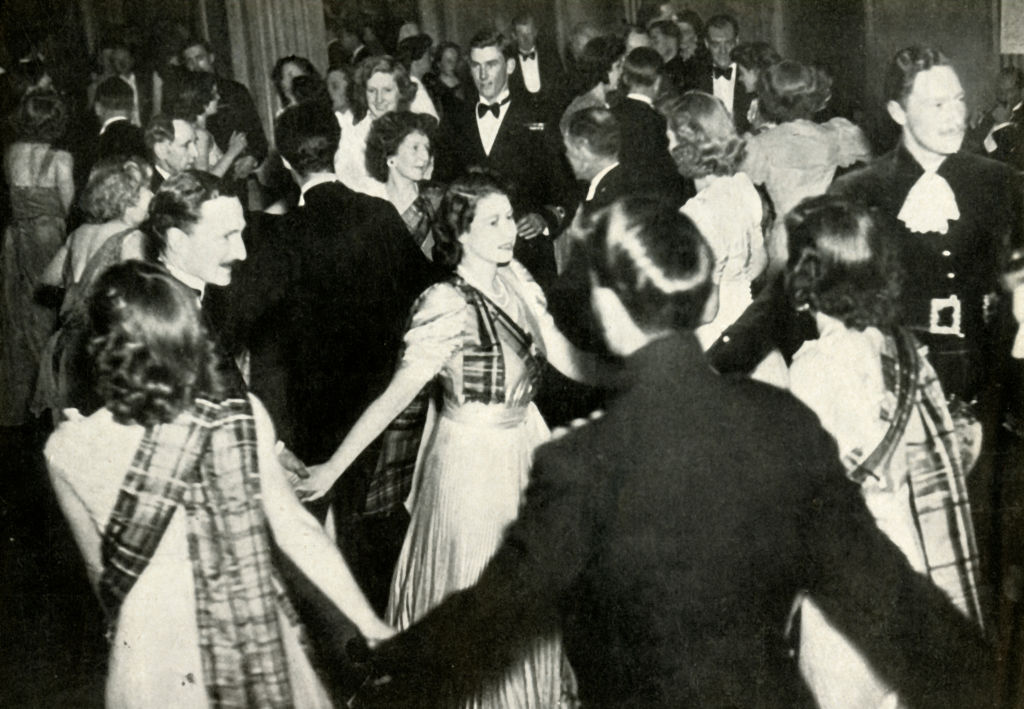
Ignoring the fact that my palms were coated in a cocktail of several people’s sweat, I was enjoying myself. A generously poured paper cup of red wine, downed quickly between each dance, certainly didn’t hinder my enthusiasm. But finding partners was exhausting, more than the dancing itself. I tried measuring this feeling against the most comparable experience I’ve had in London – tapping through Hinge. Both involved doing the prosaic and somewhat depressing work of surveying your options, then making small talk with a few and getting close with even fewer. But reeling isn’t overtly romantic in the way a dating app is. Dancing in a pair is couple-y, technically, but there’s nothing to say it’s inherently intimate, the way going on a date or even just going out is. It’s fair to assume that sweaty twenty-somethings in a nightclub are trying to get with each other, but what about when they’re in a church?
We soon swapped the church for a bar, where the reelers continued swinging each other around on the dancefloor as an Elvis impersonator gyrated on stage. I noticed that distinct couples were forming and asked a reeling regular what he thought about the dating scene. Was I witnessing something intimate? Or was this just friendly fun? ‘If you’re interested in someone, it’s an open market,’ he answered. ‘Take your pick.’
The endeavour had started to resemble those mating dances you see on the National Geographic channel – except instead of flashy feathers, the brightest shade of salmon trousers wins the bird
My interest remained scientific rather than personal. The endeavour of finding someone at reeling had started to resemble those mating dances you see on the National Geographic channel – except instead of flashy feathers, the brightest shade of salmon trousers wins the bird.
As people made their way home, some alone and others not, I reminded myself of the quote from the film Pride and Prejudice, where Darcy asks Elizabeth Bennett what she recommends to encourage affection: ‘Dancing. Even if one’s partner is barely tolerable.’ It’s possible that the regulars, like Darcy and Lizzie, had grown on each other through dancing, despite their differences. But it’s more likely that a set of shared social and cultural values made them predisposed to liking and wanted to be liked by each other.
If I’m not selling the appeal of reeling, don’t despair – there are still plenty of other places around London to meet people. It’s only that, for those of us who can’t move bar-side conversations along with mentions of a Chelsea townhouse or country home, we’ll have to make do with charm and charisma to reel them in.
The 10 best wines for a summer barbecue
The days when ‘barbecue’ meant a lukewarm beer, bun and burger are long gone. We’re putting more effort than ever into our outdoor dining – from whipping up zingy marinades with ingredients you’d barely heard of five years ago to diligently waiting for that perfect halloumi char.
All this extra effort on the food front surely warrants some attention to your drinks choices, too. Here are the ten best wines to whip out for a summer barbecue – and the foods to pair with them.
A Growers Touch Durif 2020
Wickhams, £12.20 (or £10.98 when buying six bottles)
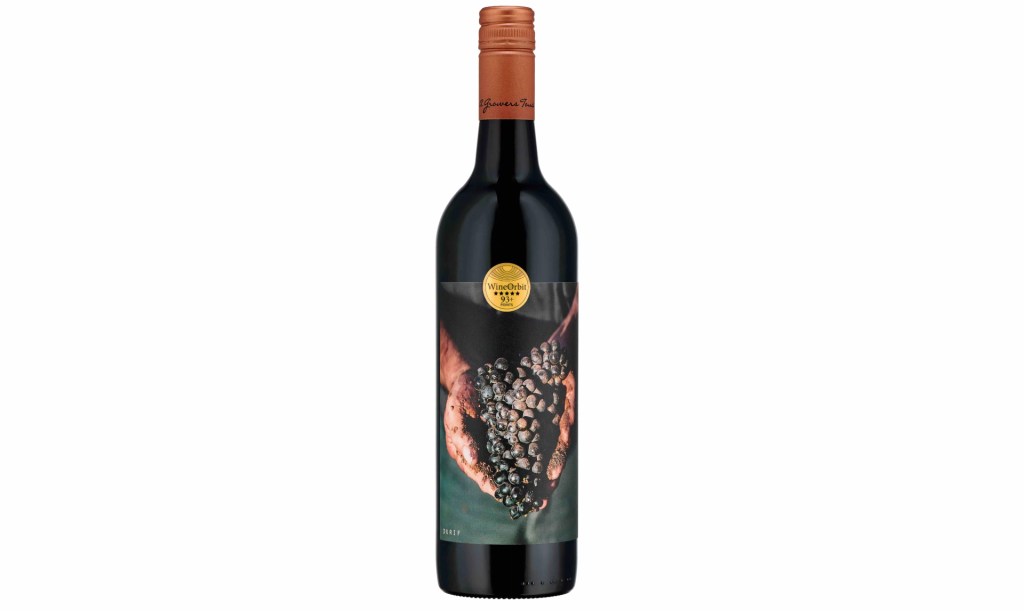
This punchy red wine has bags of fruit and touches of spice, so it pairs perfectly with equally punchy BBQ food (think beef brisket, sticky ribs or spicy sausages such as chorizo). It is made from 100 per cent Durif grapes (also known as Petite Sirah), famous for rich blueberry, blackberry and chocolate notes. The wine spent a short amount of time in oak barrels, helping it to pick up on the smoked woodiness of the barbecue.
Athlon Greek Assyrtiko
Aldi, £6.99
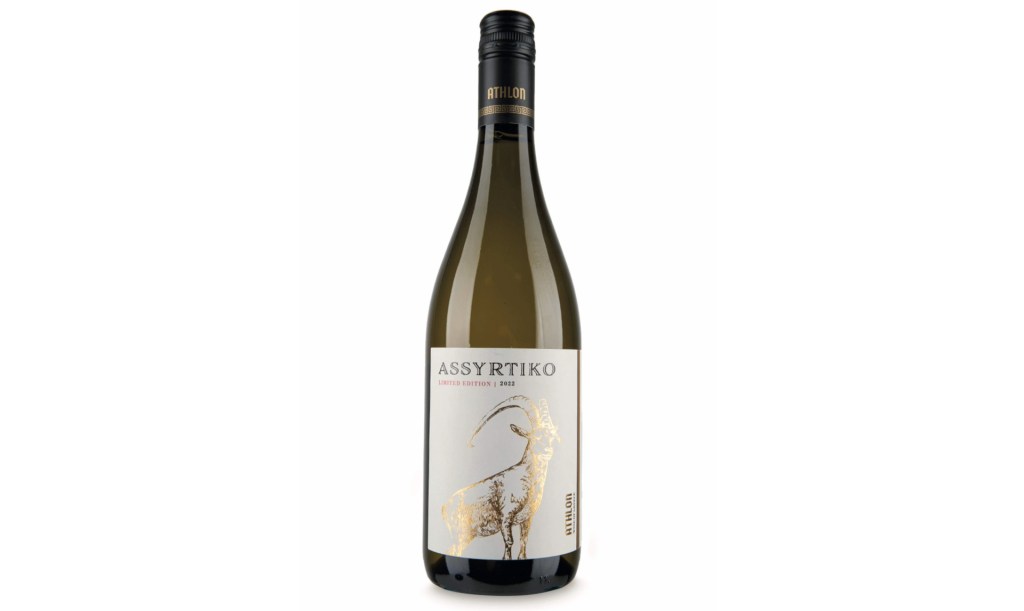
There’s a lot to be said for pairing foods from certain regions with wines that grow in the same area. This great value wine hails from the Greek region of Macedonia, which is abounds with lush sheep-filled pastures and brined white cheeses. Quaff it down with salty dairy dishes – such as feta salads or grilled halloumi. Aldi has a strong range of Greek wines, which flew off the shelves when BBC’s Saturday Kitchen described its 2020 Greek Assyrtiko as ‘one of the best value white wines on Britain’s shelves’. This – the 2022 version – won Bronze in the latest International Wine & Spirit Competition. It’s dry on the palate with fragrant hints of jasmine and citrus.
Graham Beck Rosé Brut NV
Waitrose, £16.99
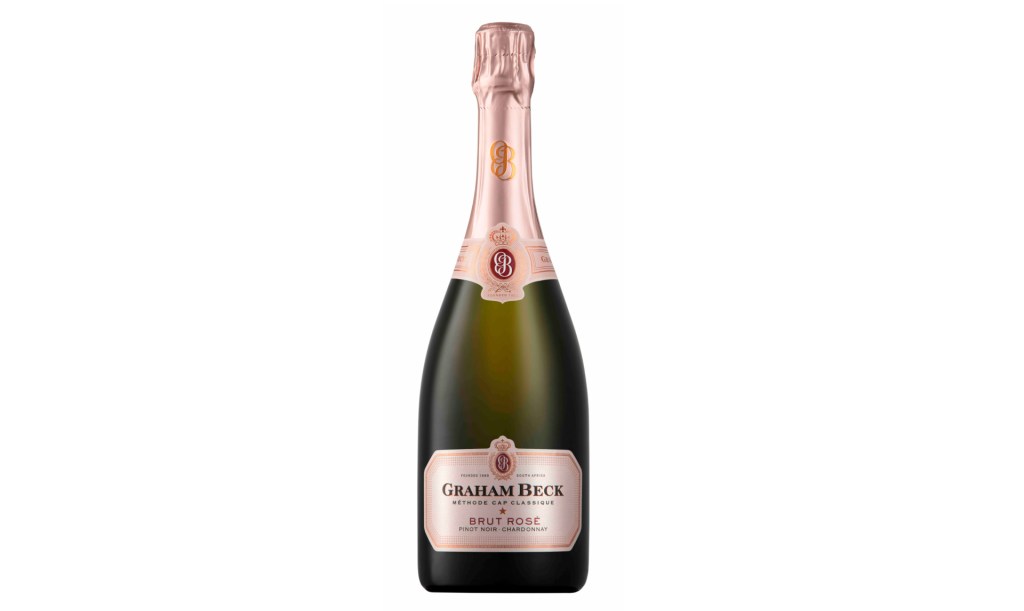
Nothing can make an al fresco dinner sparkle quite like fizz. This rosé from one of South Africa’s best loved sparkling wine makers is perfect for sipping as an aperitif in the sun and also with food. Far cheaper than champagne, it has nonetheless aged in the same laborious process – lending it a similar complexity, dryness and toasty hints of brioche that prosecco just can’t match. Expect a creamy mousse of red fruits in your mouth. Pair it with grilled salmon, prawns or chicken.
Bordeaux Supérieur
Lidl, £5.99
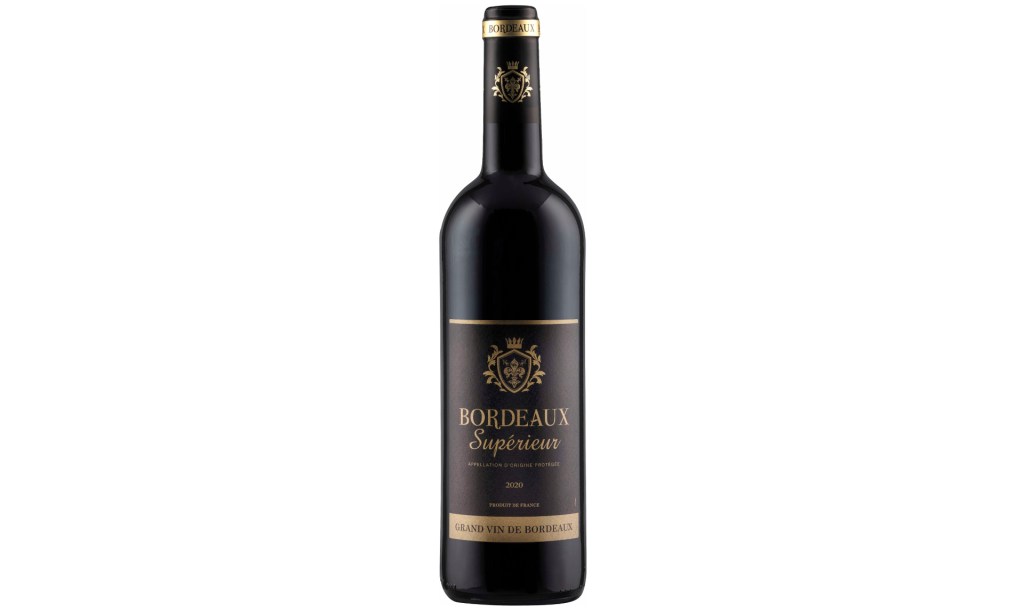
Perfect if you’re entertaining in bulk and don’t want to break the budget, this medium-bodied red is surprisingly complex for a wine costing less than £6. Bordeaux reds are best with food and this one goes particularly well with lamb chops. The black erry fruit flavours also make it a good match for a venison burger (generally leaner and less calorific than beef).
Estevez Specially Selected Chilean Sauvignon Blanc 2022
Aldi, £6.29
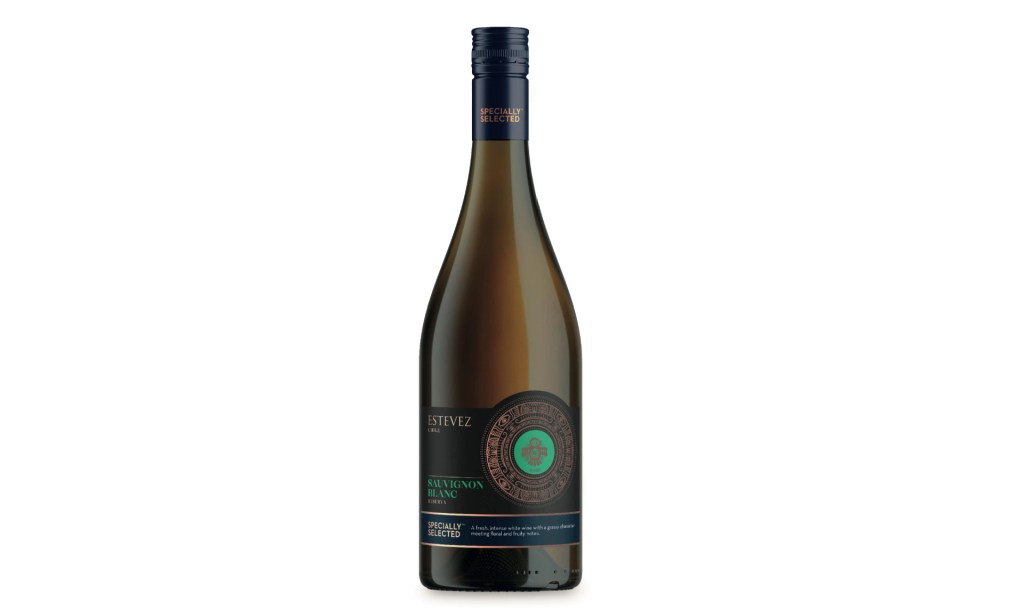
Aldi has become known for its low-cost, high-quality wines and this Chilean number is a classic of the genre. It’s intense – zinging with lemon peel, white peach and pineapple. A natural bedfellow is the acidity of a good goat’s cheese, maybe molten atop a veggie burger patty or chunked up in a couscous salad. The Chilean Sauvignon is a touch drier and less tropical than its more popular New Zealand counterpart, so less likely to overwhelm food.
Pringle Bay Pinot Noir 2021
Majestic, £9.99 (or £7.99 when buying six bottles)
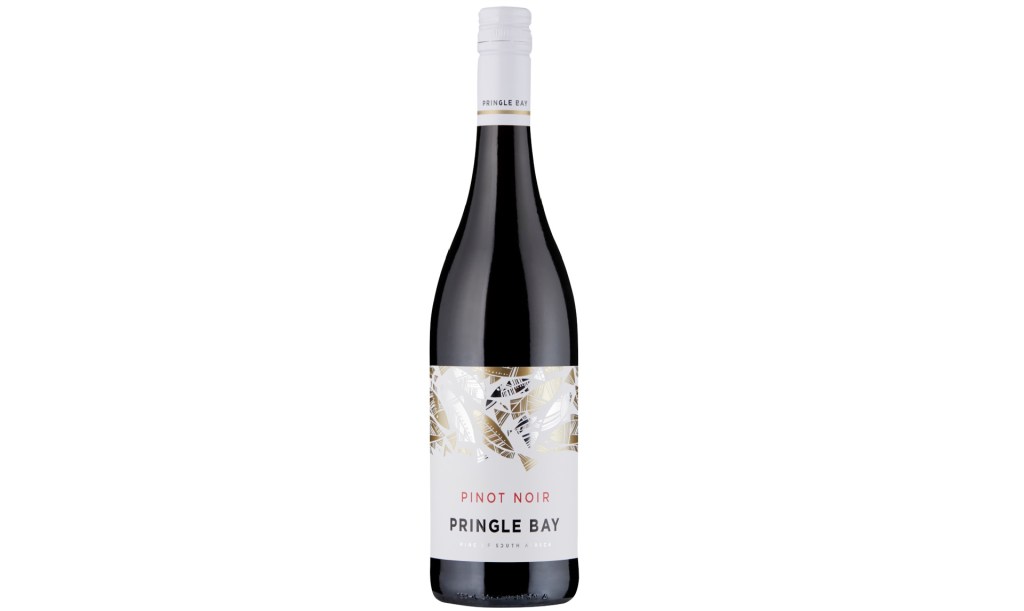
This succulent red offers fantastic value for money. It’s not overly heavy, with soft plum, cherry and summer fruit flavours. You could even serve it chilled on a very hot day, with some lightly spiced chicken. But equally if you want to serve it at room temperature with a burger, your guests won’t be complaining.
Le Versant Grenache Rosé 2022
Wickhams, £12 (or £10.80 when buying six bottles)
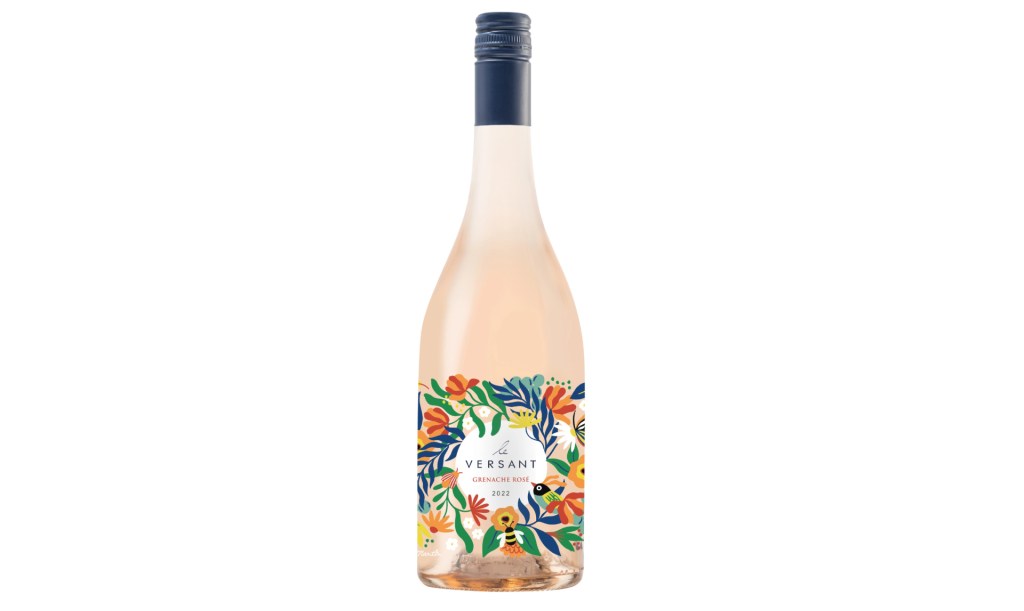
This salmon-pink rosé gives an injection of fun, fruity freshness to any barbecue table. Hints of strawberry and raspberry as well as a citrus zing mean it goes well with delicious yet unfussy vegetarian dishes such as grilled peppers or potatoes roasted in the embers of the fire. Go for foods that don’t require dousing in strongly flavoured sauces, which could squash the wine. Equally it could hold its own against lighter meats, such as herby pork or grilled chicken.
Waimea Estates Grüner Veltliner 2021/22, Nelson
Majestic, £13.99 (or £10.99 when buying six bottles)
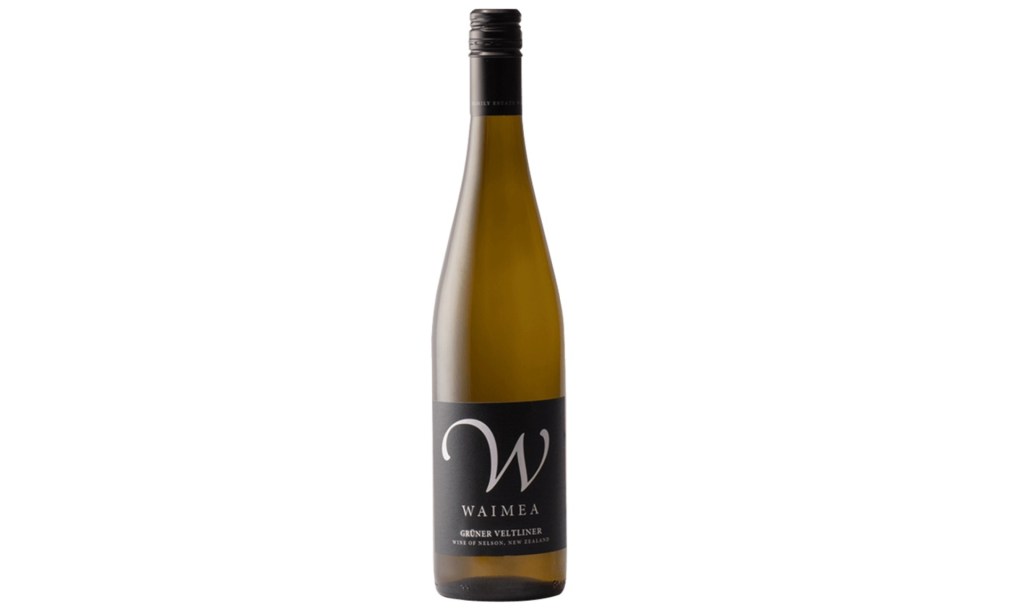
Flavourful side dishes such as pesto pasta or dill-pickle potato salad deserve a bold wine such as this Southern Hemisphere Grüner Veltliner. It’s deliberately made ‘off-dry’ (i.e. some residual sugar has been left) to allow the sweetness of the fruit to shine through. The initial fruit salad burst of peaches and pineapple is smoothed off, though, by a finish that has a slight salty herbiness.
Chianti Riserva 2019
Lidl, £6.49
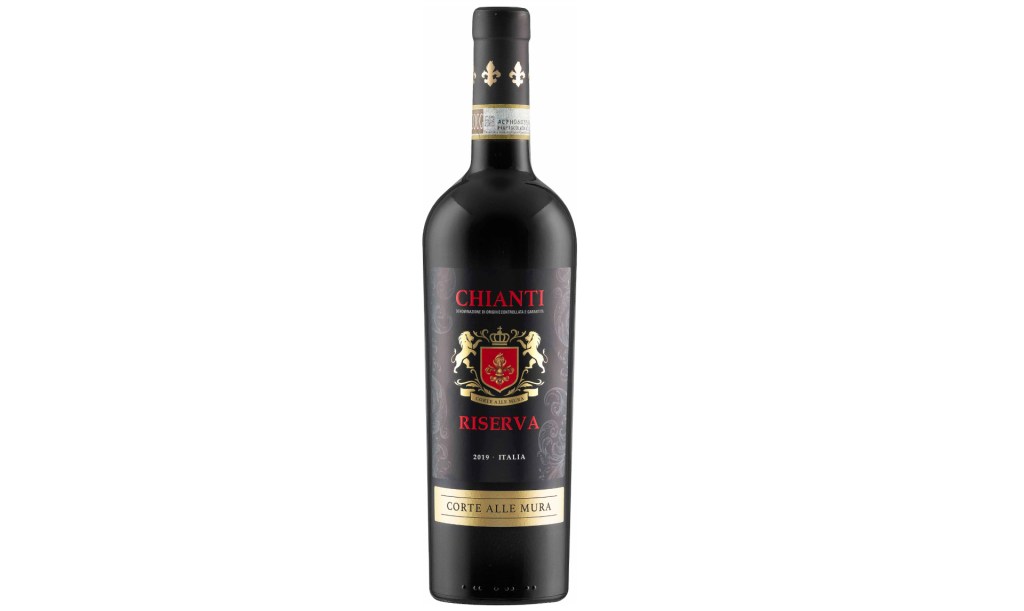
Chianti is known for having a rich palate that can encompass everything from red fruits to balsamic vinegar, dried herbs and smoke. As such, it’s a perfect wine for cutting through the high fat content of red meat – particularly beef. Pair this great value wine with thin slices of sizzled steak.
Altos de Torona Albariño
Waitrose, £14.99
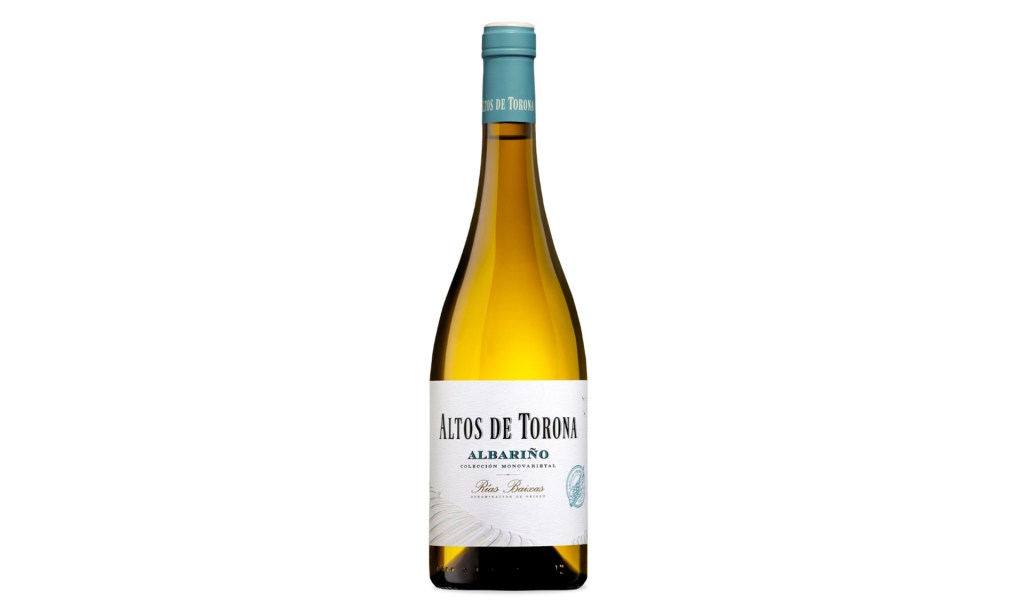
The wine to drink if you’ve got seafood on the barbie, this Albariño bursts with fresh apple – smoothed out by a lovely acidity that avoids over-sweetness. The crisp citrusy taste goes beautifully with coriander and lime-marinated prawns and can even cut through fattier fish, such as salmon smothered in sweet chilli. It’s vegan, too – so for a plant-based option, try charred corn and guacamole or courgettes with salsa verde.
How to enjoy Glastonbury from your sofa
More than 200,000 people have schlepped down the ley lines for another year of ‘Glasto’. It’s tempting to deride these people: they’ll stink, they’re anchorless hedonists, they’re blue-haired hippies. However, they’ve got tickets to Glastonbury and I haven’t, so they win.
Actually going to the festival, however, is a minority experience. More of us will be watching it on TV. And whether you dig the Glastonbury vibe or not, there’s plenty of good music for all across this weekend.
The most important thing to remember, though, is to watch as little of the coverage as possible. It’s fluff. For three whole days, everything is ‘fantastic’, everyone will ‘bring it’ and ‘vibes’ will always be ‘elite’ for the gawping BBC presenters. Every year I look at the anchors and think of Thomas Hardy:
The smile on your mouth was the deadest thing
Alive enough to have strength to die.
So you’ve got to know when the music’s on. The first act worth a watch is whoever mystery band the ‘Churn-Ups’ are. They’re scheduled to play the Pyramid Stage at 6.15 p.m. today (BBC Two), but the Churn-Ups don’t actually exist. Rapid sleuths suggested the ‘Churn-Ups’ could be Pulp (geddit?). But most now think it will be the Foo Fighters: frontman Dave Grohl wrote on Twitter last week that he was enjoying ‘churning up’ emotions with the crowd. The Sun also reported that the band have booked up some hotel rooms near the festival, so it seems likely. Their show should be interesting, since it’s their first major performance with their new drummer, Josh Freese, after Taylor Hawkins’s death last year aged 50.
Today promises some other highlights earlier on: Bill Murray’s new girlfriend Kelis (no, you don’t need your head checked) will be bringing her milkshake to Somerset, and rockers Royal Blood will be playing (BBC Two, 9 p.m.). It’s something of an image rehabilitation opportunity for them. Last month, they stormed off from Radio 1’s Big Weekend because the fans didn’t like their Proper Rock music enough. Frontman Mike Kerr gave the audience the middle finger: ‘Who likes rock music? Nine people. Brilliant. We’re having to clap ourselves because that was so pathetic.’ So sparks could fly if the audience doesn’t applaud enough. Fred Again, the mega-popular DJ for Durham grads living in Clapham, is on at 8.30 p.m. (iPlayer).
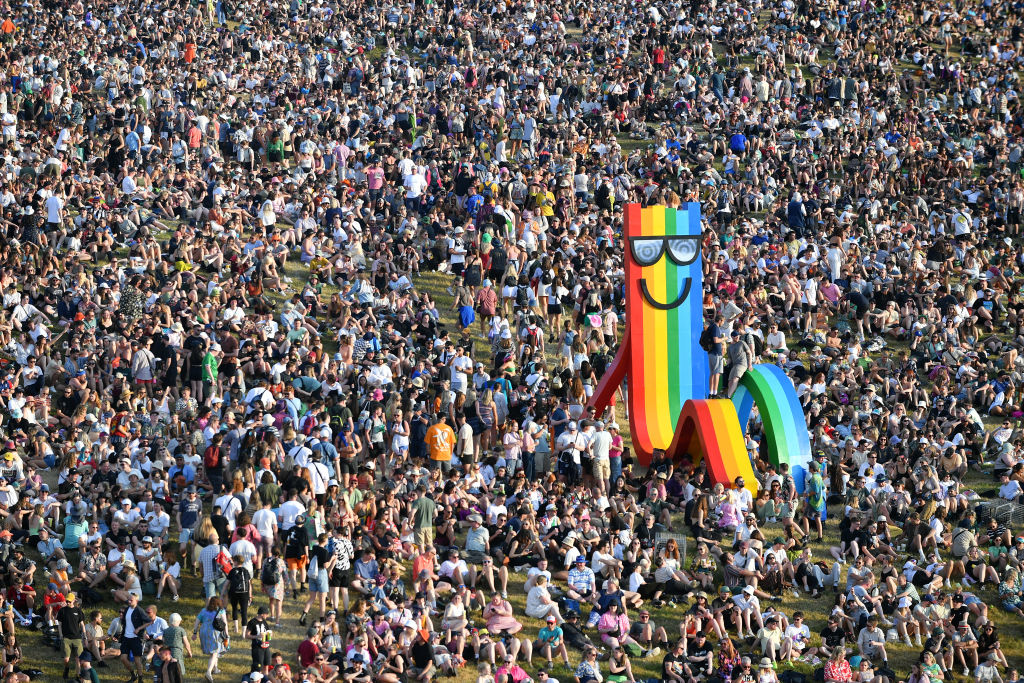
Roll out of bed on Saturday and watch Rick Astley at 12 p.m. (iPlayer). He should be fun. Then there’s a good length of time you should probably go outside for, as the bulk of the afternoon is quite barren. Stay far away from Lewis Capaldi and Lizzo (both 9 p.m., BBC One), two artists that require head trauma to enjoy. Central Cee might be worth a watch on the Other Stage at 8.45 p.m. (iPlayer). He’s from Shepherd’s Bush, and he’s one of the biggest names in UK drill. Surprisingly tongue-in-cheek comments about modern life can be expected from him (‘Told her that I’m a Gemini / Now she on Google checkin’ the compatibility’).
Saturday’s headliner is Guns N’ Roses (10 p.m., BBC Two). Anyone who’s seen one of their gigs since 1991 knows this is a risky choice. Singer Axl Rose and guitarist Slash buried a decades-long feud in 2017, but their truce doesn’t look entirely genuine: there’s very little chemistry between the two on stage. Last summer, your correspondent was unfortunate enough to witness them try to perform at the Tottenham Hotspur arena. They were an hour and a half late (with no apology) and sounded dreadful all night. Axl Rose, 61, simply can’t sing any more, regularly gasping for breath, his feral squeal becoming a wet squeak. He’s unpredictable too: at one point in Tottenham, he urged the crowd to boo Xi Jinping and said Britain should take back Hong Kong.
A better choice might be Lana del Rey (10.30 p.m, iPlayer), heroine of both gay men and the alt-right. (When asked what she thought about feminism, she said: ‘I’m more interested in… SpaceX and Tesla.’) She’s Beatles-esque productive: three albums in the past three years, which is basically unheard of nowadays, so expect a lot of her material to be new. She’s going through her very own ‘vibe shift’: several years ago, she used to chain-smoke cigarettes through shows, becoming America’s most iconic smoker. Now she’s a proud vaper, huffing on her Lost Mary even while recording songs, which is very modern.
We’re finally at Sunday – and if you made it through Guns N’ Roses you can get through anything. The first act worth watching is Black Country, New Road (2 p.m., iPlayer). It’s not an exaggeration to say that their For the First Time (2021) and Ants from Up There (2022) are two of the best albums of the past decade. Their singer, Isaac Wood, left the band immediately after the release of the second album, saying he was ‘very afraid’ (he now works in a cake shop, so I hope he’s happier). Wood was a genius, but the rest of the band are brilliantly talented too, and this performance should be a good indicator of what the new era will sound like.
Be sure to catch shoegaze rockers Slowdive later on too (5 p.m., iPlayer), if only to watch the 1990s dudes in the crowd ketamined into oblivion. Blondie are playing the legends’ slot at teatime (5 p.m., BBC One) on Sunday on the main stage, but get to the screen promptly for The War on Drugs (7.45 p.m., iPlayer), whose dreamy seven-minute songs are the best of American indie. Headbangers will enjoy seeing Queens of the Stone Age play the Other Stage (9.45 p.m., iPlayer), fronted by Donald Trump lookalike Josh Homme. He’s a big fan of shotguns and Chevrolets and has had the dates of his worst ever gig tattooed on his ribs – so it would hurt the most and serve as a warning. He’s had a dicey few years: in rehab for alcoholism and drug abuse, got stick for kicking a cameraman’s camera during a gig, had an intense legal spat with his ex-wife (he now has sole custody of his children) and had cancer. It’s a proper comeback.
Elton John headlines the Pyramid stage on the closing night (9 p.m., BBC One), with the slightly macabre premise that this is the last time you’ll see him do this! His Farewell Yellow Brick Road tour has been running for five years in what might be the world’s longest wave goodbye, but Glastonbury is set to be his final show in the UK. He has a few more dates after that though: to Paris, then Zürich, up to Copenhagen. The last time he will grace the stage will be in Stockholm, before he scuttles back to Berkshire. Elton has sold more records solo than any living human, so his last hurrah should be worth watching.
Oh, but it’s forecast to rain on Sunday. Maybe I win after all.
Scotland’s newest pro-indy media outlet launches
You might have thought that the National had successfully cornered the fiction market among SNP devotees. But now Mr S has discovered the existence of another pro-independence media outlet keen to shake up Scotland’s media landscape. ‘Skotia’ claims it will divert from the ‘obsessive hysteria of Scotland’s political class’ by making ‘life difficult for the architects of Scotland’s political consensus’ and maintaining a ‘constant vigilance on those who sow hate and inhumanity’. Noble stuff.
Its launch video features the outlet’s new editor, Coll McCail, an earnest redhead, who proclaims:
While the British state looks out for its own, the Scottish establishment is too comfortable. It’s too cosy with the people and institutions that once pledged change but now make nice with the very people they promised to usurp. Look under the progressive, inclusive veneer and it’s still one big club and we’re still not allowed in.
Poetic as it is, Skotia’s launch video is more than a little confusing. Who exactly McCain is referring to as ‘the Scottish establishment’ is unclear – being ‘too cosy’ with any kind of influence is hardly one of the Scottish government’s problems at present. If he believes the Scottish establishment is the unionist lobby then they’re hardly unfairly dominating the political landscape, given Holyrood’s pro-independence majority…
And Mr S supposes it’s hardly surprising McCain isn’t let into the SNP’s ‘club’ – he’s not only a member of the Scottish Labour party but he sits on their executive committee. Building a ‘confident, independent Scotland’ was not one of Starmer’s five missions the last time we checked. Still, if it gets the National rattled, perhaps it’s not all a bad thing…
Is academia rotten to the core?
Another phony Harvard professor? Say it ain’t so!
Harvard Business School professor Francesca Gino is reportedly on administrative leave with the university amid a review of alleged fraud within her body of research.
A group of three professors from other top universities, who collectively run a data blog called “Data Colada,” say they first flagged the purported fraud to Harvard Business School in 2021. This group of researchers claimed at the time that at least four papers authored by Gino contained falsified data — and they believed that many more of her papers had similar issues.
“In the fall of 2021, we shared our concerns with Harvard Business School (HBS). Specifically, we wrote a report about four studies for which we had accumulated the strongest evidence of fraud,” the authors said. “We believe that many more Gino-authored papers contain fake data. Perhaps dozens.”
“As you can see on her Harvard home page, Gino has gone on ‘administrative leave,’ and the name of her chaired position at HBS is no longer listed,” they continued. “We have learned (from knowledgeable sources outside of Harvard) that a few days ago Harvard requested that three of the four papers in our report be retracted.”
There’s some top-tier irony in their allegations. Gino is considered a top expert on ethics and human behavior and yet is accused of fabricating data in a study about… dishonesty. She authored a book about the benefits of rule-breaking called Rebel Talent. And about a month ago, Gino wrote in the Harvard Business Review about making “better, more informed decisions.”
Though some professors publicly expressed horror at the scandal, others weren’t so quick to condemn. Sa-kiera Hudson, an assistant professor in Management of Organizations at the University of California Berkeley’s Haas School of Business, suggested that while fraudulent studies should be called out, the real problem is the “folks who decide to police what is real vs fake science.”
“Neighborhood watches function similarly. And while maybe they work sometimes, there’s A LOT of room for error,” Hudson said.
Later on in her sanctimonious Twitter thread, Hudson used the phrase “shut and dry.” Incredible scholarship, Professor Hudson.
Whether or not Gino’s case is “shut and dry” — come on! — it’s not an isolated incident.
Christopher Brunet, the author of Karlstack, reported last spring that a political science professor at Harvard, Ryan Enos, had been under investigation for academic fraud. Enos was accused of fabricating data in multiple studies that purported to prove that white people feel threatened by minorities. Harvard did not share the results of the internal investigation and Enos still has his job.
Just a few months ago, Florida State University professor Eric Stewart resigned from his job amid an accusation he fudged data in a paper claiming criminal sentencing disparities for blacks and Latinos.
The New York Post has another convenient list of academic scandals for the first quarter of the year here, including the retraction of a paper from four Harvard cancer scientists due to seemingly manipulated data and the finding by the Office of Research Integrity that Carlo Spirli, who was an assistant professor of medicine in the Department of Digestive Diseases at Yale University, had engaged in research misconduct by knowingly falsifying data.
On a more general scale, an article the Economist published in March declared there is a “worrying amount of fraud in medical research.” Dr. Ben Mol, an OBGYN professor in Melbourne, told them he had identified more than 750 papers in the past decade or so that were potentially fraudulent. Retraction Watch, an online database, identifies nearly 19,000 scientific papers that have been retracted. Ivan Oransky, one of the founders of Retraction Watch, estimates that one in fifty research papers are unreliable due to fraud, plagiarism or data errors. Many are never retracted due to the long and rigorous process required to do so.
Researchers may be incentivized to publish bad studies for fame and grants for future research; the pandemic response from public health officials suggested there is also often an ideological component to bad science.
Take the litany of studies on puberty blockers and hormone therapy which claim a significant mental health benefit for youth suffering from gender dysphoria. Dr. Jack Turban, a psychiatrist and assistant professor of child and adolescent psychiatry at the University of California San Francisco, is perhaps the worst offender of pushing this trope in the US. He has published several papers on the topic of transgender youth, and has both misrepresented the conclusions of his own findings as well as those of other researchers on the topic. Some helpful breakdowns can be found here and here.
Three scholars, James A. Lindsay, Helen Pluckrose and Peter Boghossian, sought to prove political bias in academic publishing by conducting their own experiment a few years ago. For the course of a year between 2017 and 2018, the group shopped twenty fake papers based on taking left-wing scholarship to its extremes to various high-profile journals. They managed to get seven of them published, including one paper that proposed replacing imperialist and sexist western astronomy with interpretative dance and another that suggested men who masturbate to the thought of a woman without her consent are participating in rape culture.
These stories have to make you wonder how much of modern academic inquiry consists of rigorous scholarship, and how much is a pure grift. How many $2 million grants are going to research that makes people’s lives better, and how many are going to study how “microaggressions” affect “Black cisgender queer women” who have HIV? (Yes, that is a real study). How many professors are actually imparting knowledge and critical thinking skills onto young leaders? The answer might give us a place to start in reforming our higher education system.
Two tips for Royal Ascot on Friday
Frankie Dettori’s final Royal Ascot as a jockey saw more lows than highs over the first couple of days of the meeting. He rode just the one winner but also picked up a nine-day suspension for careless riding on the first day.
I am hoping the charismatic Italian enjoys a better day on Friday, particularly when he partners LEZOO in the Commonwealth Cup (tomorrow 3.05pm). Lezoo won three of her four races as a two-year before tackling the 1000 Guineas over a mile first time out this season at Newmarket.
On soft ground, she failed to make any impression that day when only eighth. However, I think she will be a different proposition back in trip over 6 furlongs and on fast ground tomorrow.
Similar comments apply to Sakheer, who failed to last out the distance in the 2000 Guineas on soft ground at racing hq last month. But Sakheer is less than half the price of Lezoo in the betting. On balance, back Ralph Beckett’s filly each way at 9-1 with bet365, paying four places.
Little Big Bear is quite rightly the short-priced favourite for this race, with an official rating of 124. However, he may have been flattered when winning last time out at Haydock as he definitely had the best draw, when those drawn low had little chance of winning.
There was a lot to like about CHELSEA GREEN’s seasonal debut at Newmarket last month. Hugo Palmer’s three-year-old-filly was held up in last place early on but made strong late headway to win readily by a length in an 11-strong field.
Connections said immediately that her next target would be the Sandringham Stakes at Royal Ascot (tomorrow, 5pm) and they have been true to their word. She lines up in the 30-runner field hoping to land the £50,000-plus first prize.
Chelsea Green has only gone up 3 lbs for that win at racing hq and, after just four runs last season, she looks an improved handicapper this term. Back her each way at 12-1 with Sky Bet paying eight places (other bookies are offering slightly bigger prices but with fewer places). With her hold-up style, Chelsea Green will need luck in running but her trainer rates this filly highly.
Both the Group 1 Coronation Stakes (tomorrow, 4.20pm) and King Edward VII Stakes (tomorrow 5.35pm) are likely to go to the respective favourites: Tahiyra and King of Steel. But neither horse represents a value bet at short odds.
The Group 3 Albany Stakes (tomorrow 2.30pm), the Duke of Edinburgh Stakes handicap (tomorrow, 3.40pm) and thePalace of Holyrood House Stakes (tomorrow, 6.10pm) are also not for me, betting wise. I will leave it at just the two suggested bets on day four.
Finding big-priced winners at Royal Ascot has, unsurprisingly, proved a challenge this week but we have had plenty of placed horses at double-figure prices. I will be back with another column tomorrow to give my tips for day 5, the final day of Royal Ascot.
2023 flat season running total: – 8.63 points.
2022-3 jumps season: + 54.3 points on all tips.
Pending bets:
2 points win Yibir at 11-1 for the Ascot Gold Cup.
1 point each way Rhoscolyn at 22-1 for the Buckingham Palace Stakes, paying 1/5th odds, six places.
1 point each way Physique at 40-1 for the Britannia Stakes, paying 1/4 odds, four places.
1 pint each way Lezoo at 9-1 for the Commonwealth Cup, paying 1/5th odds, four places.
1 point each way Chelsea Green at 12-1 for the Sandringham Stakes, paying 1/5 odds, eight places.
1 point each way Zoffee at 20-1 for the Northumberland Plate, paying ¼ odds, 4 places.
Settled bets:
1 point each way Royal Scotsman at 17/2 in the 2000 Guineas, 1/5 odds, paying four places. 3rd. + 0.5 points.
1 point each way Call My Bluff at 4-1 in the Chester Cup, paying six places, 1/5th odds. 3rd. – 0.2 points.
1 point each way Safe Voyage at 12-1 in the Victoria Cup, paying seven places, 1/5th odds. 5th. + 1.4 points.
1 point each way Popmaster at 6-1 in the Connect It Utility Services Handicap
Unplaced. – 2 points
1 point each way Royal Acclaim at 6-1 in the Temple Stakes. Unplaced. – 2 point.
1 point each way Sprewell at 10-1 for the Derby paying 1/5 odds, five places. 4th. + 1 point.
1 point each way Arrest at 4-1 for the Derby, paying 1/5 odds, four places. Unplaced. – 2 points. 2 points win Saga at 14-1 for the Royal Hunt Cup.
1 point each way Mokaatil at 12-1 for the Epsom Dash, paying 1/5th odds, seven places. Unplaced. – 2 points.
2 points win Saga at 14-1 for the Royal Hunt Cup. Non Runner. – 2 points.
1 point each way Twilight Calls at 16-1 for the King’s Stand Stakes, paying 1/5th odds, 5 places. 4th but Rule 4 deduction of 15p in the £. + 1.97 points.
2 points win Royal Scotsman at 14-1 for the St James’s Palace Stakes. Unplaced. – 2 points.
1 point each way Zoffee at 14-1 for the Ascot Stakes, paying ¼ odds, 4 places. Unplaced. – 2 points.
1 point each way Chillingham at 22-1 for the Copper Horse Handicap, paying 1/5 odds, 5 places. 4th. + 3.4 points.
1 point each way Tarrabb at 10-1 for the Kensington Palace Fillies’ Handicap, paying 1/5th odds, seven places. 3rd. + 1 point.
1 point each way Point Lynas at 33-1 for the Royal Hunt Cup, paying 1/5 odds, six places. Unplaced. – 2 points.
1 point each way Atrium at 20-1 for the Royal Hunt Cup, paying 1/5 odds, seven places. Unplaced. – 2 points.
1 point each way Circle of Fire at 13/2 for the Queen’s Vase, paying 1/5th odds, four places. 4th. + 0.3 points.
Listen: Lib Dem by-election candidate’s car crash interview
David Warburton surprised nobody in Westminster by standing down on Saturday, fourteen months after losing the Tory whip. For more than a year it’s been clear that a by-election was looming in Somerton and Frome. Yet you wouldn’t know it judging from the quality of the local Lib Dem candidate there, Sarah Dyke. She has given a car crash interview to the Guardian politics podcast – hardly the most challenging of outlets. Asked by the amiable John Harris about deprivation in the area she replied that she had drunk her coffee a bit too fast, before asking:
What do you want to know? Something that’s a subject I don’t know anything about … I mean there’s pockets of deprivation. I mean, what can we say on that really? … I don’t feel that I’m prepared at all for this, Ami [the Lib Dem press officer]. And it’s all getting a little bit above my station, sorry.
The press officer in question suggests getting the candidate a glass of water before the interview is terminated. Ouch. Given the dire state of the polls, Dyke is odds on to romp home in this true blue Tory safe seat. Mr S is sure that her fellow politicians in Westminster will enjoy hearing similarly thoughtful contributions from the tongue-tied Lib Dem in future.
You can listen to the excruciating clip below….
Titanic submarine passengers presumed dead: US Coast Guard
The US Coast Guard said Thursday afternoon that the five passengers aboard the missing Titan submarine are presumed dead after debris from the vessel was found on the seafloor.
“The debris is consistent with the catastrophic loss of the pressure chamber,” Coast Guard Rear Admiral John Mauger said. “Upon this determination, we immediately notified the families. On behalf of the United States Coast Guard and the entire unified command, I offer my deepest condolences to the families.”
The announcement came after the Canadian vessel Horizon Arctic deployed a remotely operated vehicle that found five major pieces of debris 1,600 feet from the Titanic. According to Mauger, the Coast Guard is uncertain if they will be able to uncover the victim’s bodies.
“This is an incredibly unforgiving environment down there on the seafloor and the debris is consistent with a catastrophic implosion of the vessel,” Mauger said. “We’ll continue to work and continue to search the area down there, but I don’t have an answer for prospects at this time.”
The twenty-two-foot vessel lost contact with its surface vessel, the Polar Prince, two hours into its dive to the site of the Titanic wreckage. Among the passengers inside the Titan were OceanGate CEO Stockton Rush; British businessman Hamish Harding; father-and-son Shahzada and Suleman Dawood, who are members of one of Pakistan’s wealthiest families; and Paul-Henry Nargeolet, a leading Titanic expert.
“These men were true explorers who shared a distinct spirit of adventure, and a deep passion for exploring and protecting the world’s oceans,” OceanGate said in a statement. “Our hearts are with these five souls and every member of their families during this tragic time.”
The Coast Guard will begin to demobilize the medical personnel and nine vessels involved in the search over the next twenty-four hours, Mauger said, but a remote investigation will continue indefinitely.
Dumb risks are worth taking
The plight of the Titanic submariners has engulfed the media over the past week and demanded the attention of countless rubberneckers to catastrophe. Parts of that attention are due to morbid curiosity, or the ghoulish nature of social media’s animosity toward the super rich; those who Ben Dreyfuss terms “the abnormal people” on his Substack: “They heard the news, read the stories, took in all of the information that made you sad, and their first reaction was: anyone who can afford a $250k tourist trip deserves to die.” But another slice of attention is due, at least in part, to the audacious nature of their chosen craft.
While obviously the choice of vehicle was a mistake — it resembles nothing so much as the decrepit blood-soaked sub in the video game Iron Lung — the motivation of figuring out a different way to traverse the ocean at 13,000 feet below is not itself a bad thing. “Hold my beer” moments are better if they don’t hold the possibility of horrible painful death. But never taking any risk? That’s worse.
“In an age in which people have developed an unrealistic expectation of absolute safety in all activities (and expect government to provide it), we are also attempting to open up space, the harshest and most challenging of frontiers. The conundrum is that these two goals are mutually exclusive, at least at current technology levels (and perhaps at any),” Rand Simberg wrote in his 2014 book, Safe Is Not An Option.
So at least give the crew of this ill-advised expedition this much credit: they tried something crazy and it killed them. How many people will die today doing something equally foolish but without the merit of audacity?
As a culture, we need more risk-taking and less comfort with things just staying as they are. Striving and searching for the new is a good thing, even if it ends in tragedy.
Inside Marjorie Taylor Greene and Lauren Boebert’s catfight on the House floor
The gloves were off in the House of Representatives this week after Georgia congressman Marjorie Taylor Greene called her Colorado colleague Lauren Boebert “a little bitch.” The gruesome twosome used to be thick as thieves. What happened?
The fight erupted over impeachment articles that Boebert introduced Tuesday and tried unsuccessfully to force a vote on. Greene, who drafted her impeachment articles in 2021 and again this May, publicly accused Boebert of copying. On Wednesday, Boebert again tried unsuccessfully to force a vote on her impeachment resolution.
During the vote, Boebert confronted Greene over comments the congresswoman had made to the press. C-SPAN’s camera’s caught part of the exchange in a center aisle of the House floor.
“I’ve donated to you, I’ve defended you. But you’ve been nothing but a little bitch to me,” Greene reportedly told Boebert, according to a source who witnessed the exchange. “And you copied my articles of impeachment after I asked you to cosponsor them.”
Greene was eager to let the press know her true feelings for Boebert after the exchange. “She has genuinely been a nasty little bitch to me,” Greene told Semafor. “I was sitting down, and so I stood up and I said, ‘I’m happy to clarify my public statements to your face.’ I told her exactly what I think about her.”
The former besties have been feuding for months now. The two had a high-school catfight in the ladies room over Kevin McCarthy’s House speaker candidacy earlier this year. According to the Daily Beast, Greene confronted Boebert as she was coming out of a bathroom stall, accusing the congresswoman of disloyalty.
“You were OK taking millions of dollars from McCarthy but you refuse to vote for him for speaker,” Greene asked her colleague. Before the altercation turned physical, Boebert ran out of the bathroom like a “little school girl,” according to a source familiar. As entertaining as a bathroom brawl would have been, Cockburn can’t blame Boebert for backing out; the gentlewoman from Georgia has at least three inches on her.
Boebert confirmed the spat on a segment in the Dana Show in January, saying that Greene had been “kind of nasty” about the speakership battle. “I looked at her and said, ‘I don’t have time for this’ and I said, ‘Don’t be ugly.’”
Cockburn is relieved to see that MAGA’s answer to Cassie and Maddy from Euphoria are keeping things adolescent in Congress. Oh to be young…