Books & Arts

Books and Arts

Dead Outlaw is sharp-witted and irreverent

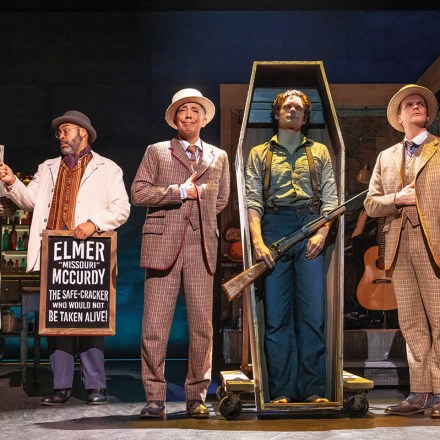
In 1976, the TV series The Six Million Dollar Man arrived to shoot at an amusement park in California. A central attraction was the funhouse ride, where screaming thrillseekers hurtled past a red mannequin hanging garishly from a noose. It was only when a crew member touched the body – and an arm fell off, revealing bone – that they realized the mannequin was, in fact, a corpse. Painted in phosphorus and slathered in wax, it had been suspended, unnoticed, for years. So began a frenzied investigation into who this mystery cadaver was. An autopsy revealed that the man had died from a bullet wound. His jaw was wired shut; inside his mouth were ticket stubs to a crime museum and a penny dating back to 1924. He had been preserved using arsenic.
Dead Outlaw
Irish

Why does Irish art avoid the Troubles?

Almost three decades after the Good Friday Agreement was signed in 1998, it is possible, if not always easy, to see the funny side of the Troubles. Derry Girls, Lisa McGee’s coming-of-age television series, and Milkman, Anna Burns’s surreal novel, wring laughs as well as tears out of mayhem. There are few laughs in Steve McQueen’s Hunger, which did “for modern film” according to one critic, “what Caravaggio did for Renaissance painting.” For those who prefer horror unmediated by fiction, Patrick Radden Keefe’s Say Nothing is the best example of longform journalism since Capote’s In Cold Blood. But along with their setting, these dazzling creations have something else in common: to get made, they all needed the backing of a producer or publisher from the UK or US.

Seventy-five years of Strangers on a Train

According to her own notebook, the idea for Strangers on a Train came to its author, Patricia Highsmith, in December 1945, while she was walking along the Hudson River in upstate New York with her mother, Mary Coates, and her stepfather, Stanley Highsmith. Given her fractious relationship with her mother, it is not surprising that the idea for a novel – two people swapping murders – came while in the company of the woman she thought of as her lifelong enemy. Divorced from Patricia’s father nine days before she was born in 1921, Mary spent most of her daughter’s childhood courting a new suitor, Stanley.

Highsmith

Erik Satie was an inadvertent innovator

The music critic Ian Penman has structured his new book about the great French composer and rascally agent provocateur Erik Satie in three parts, in the manner of classic Satie compositions such as Trois Gymnopédies, Gnossiennes and Trois morceaux en forme de poire. A hundred years after his death, aged 59, in 1925, Satie remains one of the great enigmas of 20th-century composition. A frequent visitor of Parisian cabarets, immersed in the city’s chanson tradition, his work could also be bafflingly conceptual. He was connected to the world of classical composition through his friendships with Claude Debussy and Maurice Ravel, but remained determinately his own person. His music is regularly held up as a precursor to John Cage and to ambient electronica alike.

Joan Didion’s unedited record of therapy is morbidly fascinating

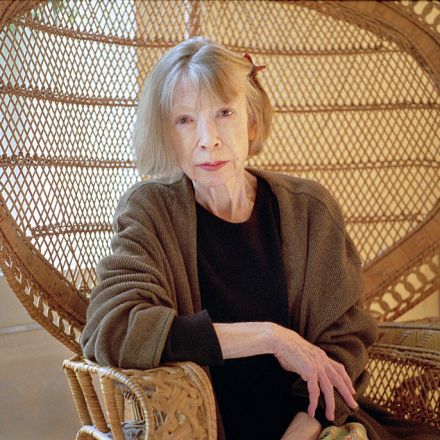
In Notes to John, Joan Didion’s ostensibly private record of three years’ therapy under psychiatrist Dr. Roger MacKinnon – one memory troubles her a great deal. When her daughter Quintana Roo Dunne was about seven, they watched the (wholly unsuitable) Night of the Living Dead, before Didion insisted Quintana accompany her to the kitchen at midnight. She pretended to be afraid for herself, but really she worried the glass doors of the living room made Quintana vulnerable to intruders. Reading this book sometimes feels like being the imagined predator lurking in the dark: we catch only a slice of the illuminated interior, and Didion behaves as if she isn’t being seen. By the end of 1999, Quintana, who was 33, had reached a new crisis point in her struggle with alcoholism.

Didion
John

Unpacking John Lennon and Paul McCartney’s complex relationship

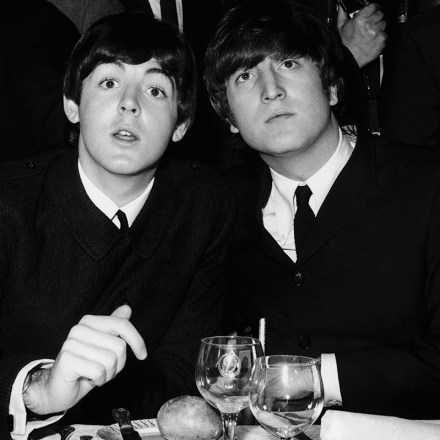
Fifty-five years after they broke up, what is there left to say about the Beatles? There have been so many books written about the group and so many obsessively detailed websites devoted to exploring every song, every public utterance, every twist and turn in their history, that the average rational man or woman might think they know all there is to be known about them. Craig Brown’s magisterial 2020 volume 150 Glimpses of the Beatles was a pop-cultural dive into their peerless influence and standing; Ian MacDonald’s still legendary Revolution in the Head dives into the 241 songs that they recorded (although, of course, it should be 242, thanks to the emergence of “Now And Then” in 2023) and does so with grace, intelligence and slightly frightening attention to detail.

Has Trump’s return defanged Ezra Klein?

Wonks are a useful sort to have around; no governing class should be without them. A wonk is someone who makes technical improvements to the existing order of things while remaining obedient to its premises. No social order can run entirely on its own propaganda. There does, somewhere, need to be some group of sober and dutiful people applying themselves to secular problems. For 21st-century America, this has been the “juicebox mafia,” a group of liberal bloggers who came of age in the early 2000s. Ezra Klein, Matthew Yglesias, Markos Moulitsas and Noah Smith were self-conscious wonks – the first, indeed, to treat wonkery as a personal credo. They called their articles “explainers” rather than op-eds.

Klein