Books & Arts

Books and Arts

‘A system at odds with the Constitution’

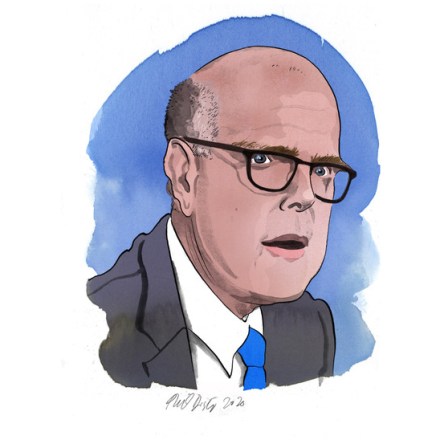
This article is in The Spectator’s February 2020 US edition. Subscribe here.How did America’s house divide for a second time in the 1960s? By a tragedy of good intentions and bad-faith actions, Christopher Caldwell argues in his new book, The Age of Entitlement: America Since the Sixties. He talks to our Life & Arts editor about how we got here from there, and how activism inside and outside the courts has refounded American politics on an undemocratic basis. DG: The Age of Entitlement argues that the Civil Rights Act divided the country by establishing what you call a ‘second constitution’. CC: That is a big part of it. The book is about the evolution of American society since the Kennedy assassination.
caldwell lockdown
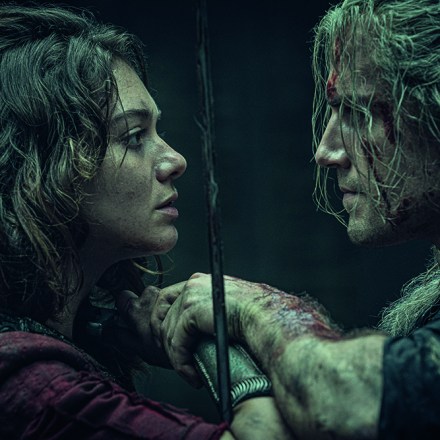
witcher

The Witcher’s hours

This article is in The Spectator’s February 2020 US edition. Subscribe here. If you want to get really depressed about the future of television, consider this: over Christmas, The Witcher was Netflix’s highest-rated original series on IMDb, beating everything from Black Mirror to Stranger Things and The Crown. The reason you should be depressed is that The Witcher’s popularity may send a dangerous signal to screen producers: don’t worry about the script or the acting, just chuck in lots of monsters, ultra closeups of swords cleaving heads, arrows going into people’s eyes and girls in body-hugging leather fantasy outfits, like a Dark Ages version of Hooters.

Land of hope and Victoria: The Kinks’ lost empire

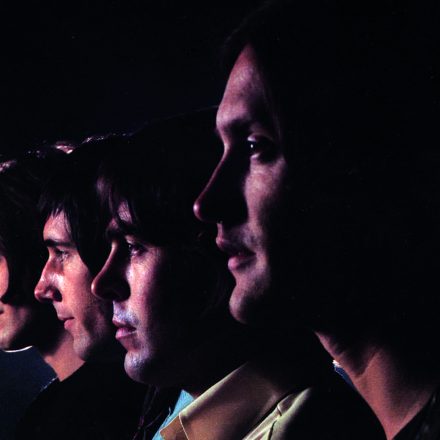
This article is in The Spectator’s February 2020 US edition. Subscribe here. Was there ever a more audacious album title than Arthur, or The Decline and Fall of the British Empire? The name of the Kinks’ 1969 masterpiece could almost be described, in Sixties vernacular, as ‘far out’. But just two years after the lysergic hurricane of 1967, the content of Arthur was ‘far in’, even by the Kinks’ distinctly un-psychedelic standards. Not for them the late Sixties’ return to Americana of the Stones (Beggars Banquet), the Band (Music from Big Pink) and Dylan (John Wesley Harding).

kinks
novel bottum

The way we read now

For almost 300 years, the novel was a major art form, perhaps the major art form, of the modern world — the device by which we tried to explain ourselves to ourselves. Something new came into art during the transition out of the Middle Ages, through the Renaissance and the Reformation, and into the modern age. We might call it the turn to the interior — an increasing agreement that domestic life and drama are real, not merely minor activities necessary to keep body and soul together while we play out our real lives on the world’s stage. Think how rare domestic drama was before the novel.

Wells farrago: gaslighting the Invisible Man

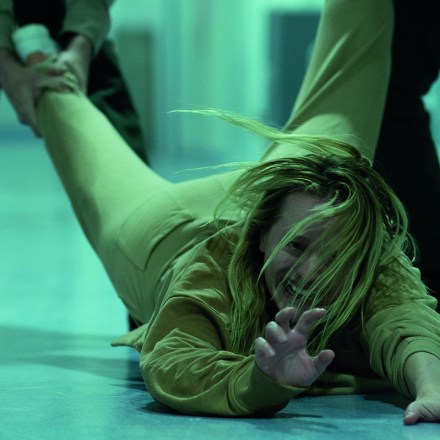
This article is in The Spectator’s February 2020 US edition. Subscribe here. ‘To many young people nowadays,’ H.G. Wells sighed in 1934, ‘I am just the author of The Invisible Man.’ He meant the movie, not the novel. George Bernard Shaw might have said something similar, only at greater length, had he lived to see the improvements by which Alan Jay Lerner turned Pygmalion into My Fair Lady. But would Wells recognize the latest variation on his 123-year-old character at all? This Invisible Man is not much interested in invisibility or men, or men who happen to become invisible. Elisabeth Moss is Cecilia Kass, a harassed woman trapped in an abusive relationship with a sociopathic tech bro.

wells
cyrus chestnut

Cyrus the Great

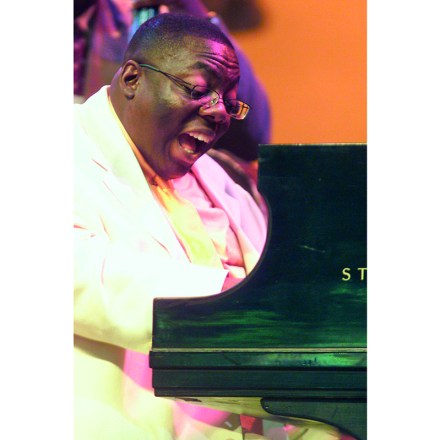
This article is in The Spectator’s February 2020 US edition. Subscribe here. Washington, DC has a proud jazz history: the birthplace of Duke Ellington where he made his first arrangements as a highs-chooler; the home of U Street, where joints like the Crystal Caverns and the Howard Theatre hosted Louis Armstrong, Billie Holiday and Count Basie. Today, jazz holds out in a few spots on U Street and in select clubs such as Blues Alley. A relative latecomer, founded in 1965 near M Street in the heart of hoity-toity Georgetown, Blues Alley touts itself as ‘the nation’s premier jazz and supper club’. Despite a menu featuring such delicacies as ‘McCoy Tyner’s Blackened Catfish’, the supper part can safely be labeled as hearty, but no more.

The prophetic Raymond Chandler

This article is in The Spectator’s February 2020 US edition. Subscribe here.Laramie, Wyoming In an age of extreme individualism complicated by racial sensitivity and class resentment, ancestry is an uncomfortable subject. But it remains a fact that a man’s ancestors are never irrelevant to who and what he is, though of course they determine neither. Raymond Chandler (1888–1959) said that he was conceived here in Laramie, before being delivered in Chicago following the usual interval of nine months. His American father deserted the family and his Anglo-Irish mother took her son to England, to be educated at Dulwich College.

raymond chandler
lost girls

Finding the Lost Girls

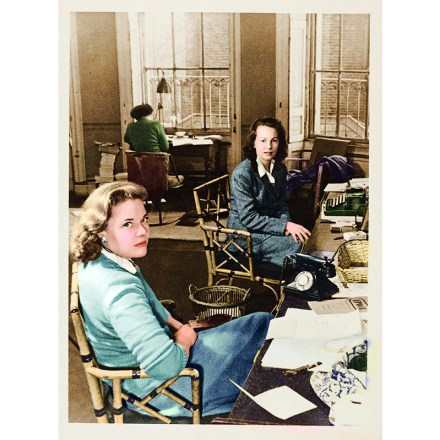
This article is in The Spectator’s February 2020 US edition. Subscribe here. Encapsulations of a particular art-world demographic nearly always fall wide of the mark. Just as there were plenty of people on hand in the 1950s to protest that the Angry Young Men were neither especially angry nor exclusively male, so countless chroniclers of interwar social life complained that the Bright Young People were neither bright nor young. But the critic Peter Quennell’s phrase ‘Lost Girls’ to describe the gang of female twenty-somethings who worked on the magazines and populated the parties of Blitz-era literary London carries an unmistakable tang of conviction.

Urbino legend

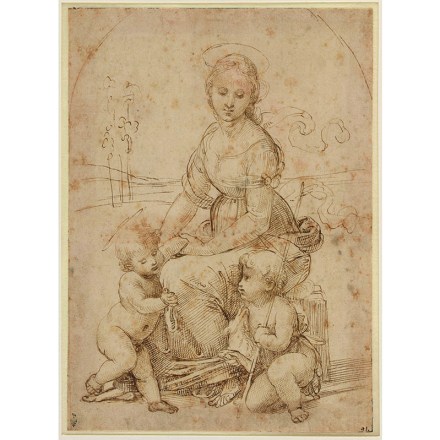
This article is in The Spectator’s February 2020 US edition. Subscribe here. At the time of his death on Good Friday, 1520, Raffaello Sanzio of Urbino was the most successful artist the world had ever seen. In terms of sheer skill, expert judges like the historian Paolo Giovio rated him third among the supreme trinity of Renaissance artists — after the stiffest imaginable competition, Michelangelo and Leonardo da Vinci. But in terms of worldly success, Raphael died as the unchallenged prince of artists. He was the favorite artist of the greatest patron in Christendom, the Medici pope Leo X. He had been commissioned to decorate the most prestigious monuments in Rome.

raphael