Ruth Wisse defines anti-Semitism and anti-Zionism as ‘the organisation of politics against the Jews’, and in Britain it is striking just how openly the organisers operate. During his remarks to Sunday’s Jewish Labour Movement conference, Communities Secretary Steve Reed revealed that a Jewish colleague was ‘banned’ from visiting a school in his constituency ‘in case his presence inflames the teachers’. Reed described this as ‘an absolute outrage’.
Peruse the social media output of politicians and commentators otherwise agitated about threats to democracy and the targeting of MPs. I suspect they’ll be rather more muted about this episode
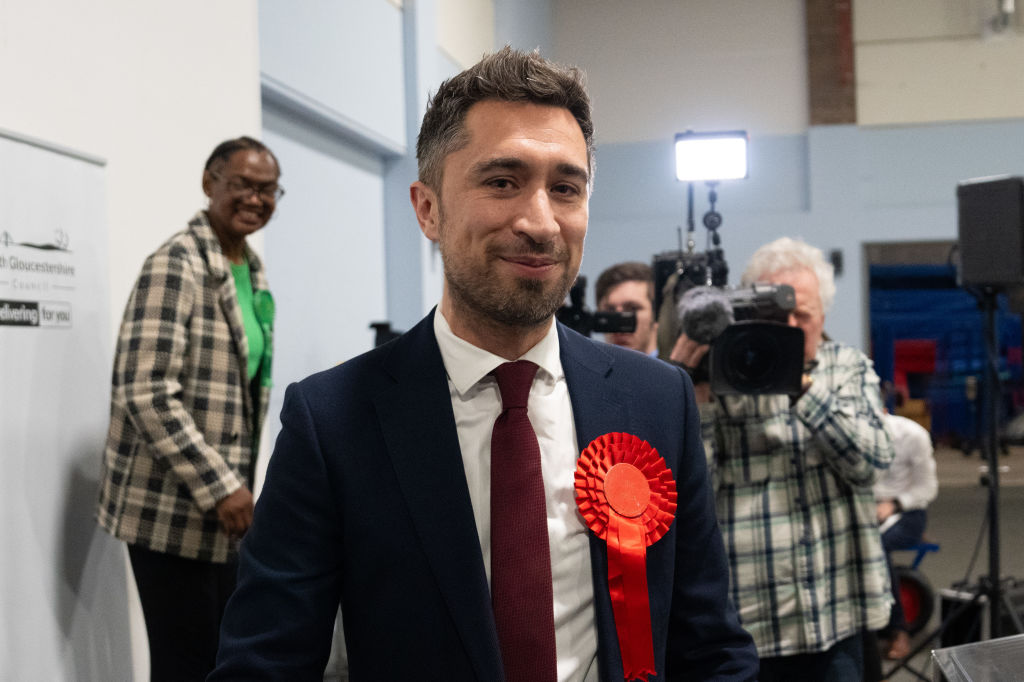
The Jewish News reports that the politician in question is the Jewish MP Damien Egan and alleges that members of the National Education Union and the Palestine Solidarity Campaign were behind the effort to block the Bristol North East MP. The newspaper points to social media posts from pro-Palestine activists which allegedly celebrated Egan being rejected for a constituency visit last September. The posts reference Egan’s involvement in Labour Friends of Israel.
Without commenting on the Jewish News allegations, I will make a few points. If a Jewish MP has been refused permission to visit a local school because of his policy positions, it is an escalation of the new political order under which Britain is governed. If teachers have been involved in organising this exclusion, it confirms an activist trend in education and the public sector more broadly. If outside groups have taken part in this campaign to subject MPs to ideological vetting, it implies coordination to frustrate the work of a democratically elected politician.
Members of Parliament visit their constituency schools, talk with staff and pupils, and typically pose for photographs for the local paper. This is a well-established civic tradition in our country. MPs do not electioneer or make political speeches and headteachers welcome them regardless of party or ideology. At least that’s how we did things under the old order, and teachers and parents understood why school visits had to be open to MPs of all parties. They might have approved of this MP and disapproved of that. They might have regarded the visits as pointless and a waste of time, but they persevered. Observing the customs and processes of representative democracy, however grudgingly, is an innately British instinct.
Keep an eye on this one. It’ll go nowhere, of course, but take note of who talks about it and who doesn’t. Peruse the social media output of politicians and commentators otherwise agitated about threats to democracy and the targeting of MPs. I suspect they’ll be rather more muted about this episode. It raises too many awkward questions, I reckon.
So let’s raise those questions. Why would teachers or anyone else be inflamed by a visit from a Jewish MP who seldom speaks about the Middle East and speaks in achingly moderate terms when he does? And if they were inflamed, why could they not recognise that a job often comes with unwanted duties, and put on a professional face? Who exactly was involved in this anti-democratic conspiracy and were they representatives of any bodies or organisations? What does the local authority and central government intend to do about this? And if they are not prepared to confront and eliminate this problem, does it follow that others with different political views may do the same?
Britain’s new political order and the instincts and ideologies that underpin it are irreconcilable with this country’s traditions, customs and norms. This is not how we do things here, and if we want to keep it that way, the state must crack down mercilessly on this would-be successor regime and its foot-soldiers. Jewish MPs should not require the permission of activists or extremists to go about their constituency duties. Any campaign that says otherwise must be smashed promptly and beyond recovery.



Comments