It’s strange and ironic that higher education establishments in Britain, institutions which ostensibly exist to broaden minds and deepen thought, should today speak in such a cliche-ridden, jargon-infested and deadening variety of English. Yet it’s unsurprising and rather appropriate that they should do so in order to communicate to everyone that they’re no longer interested in standards anymore.
What drives those who manage universities to behave like this, to issue directives against meritocracy framed in such turgid, recycled language?
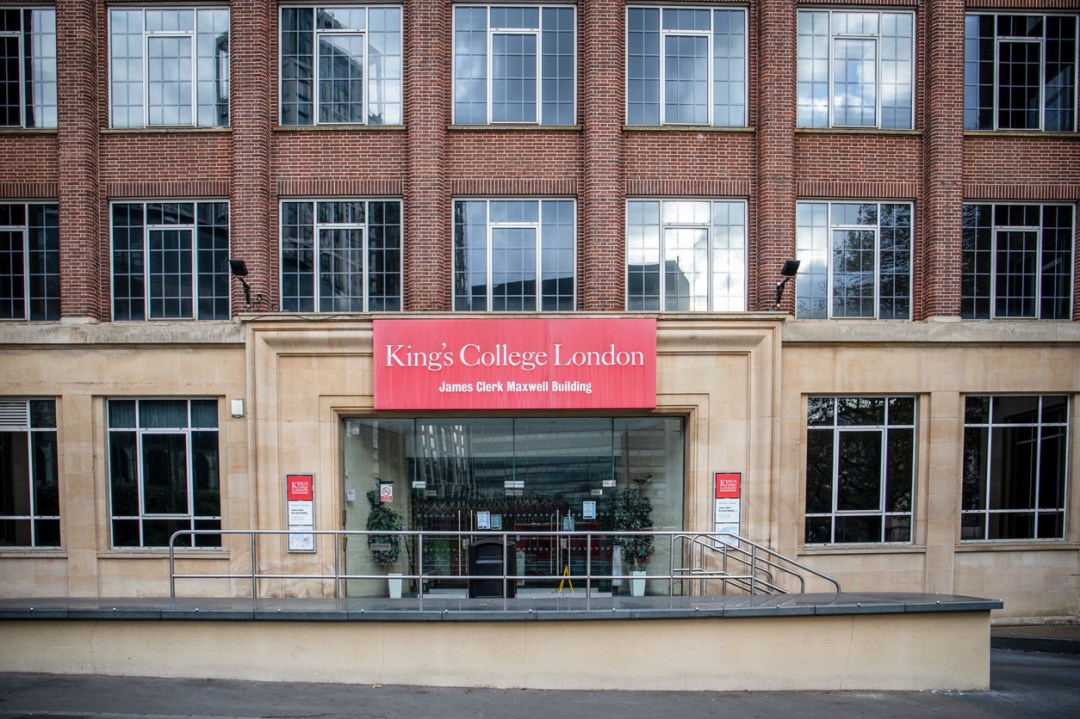
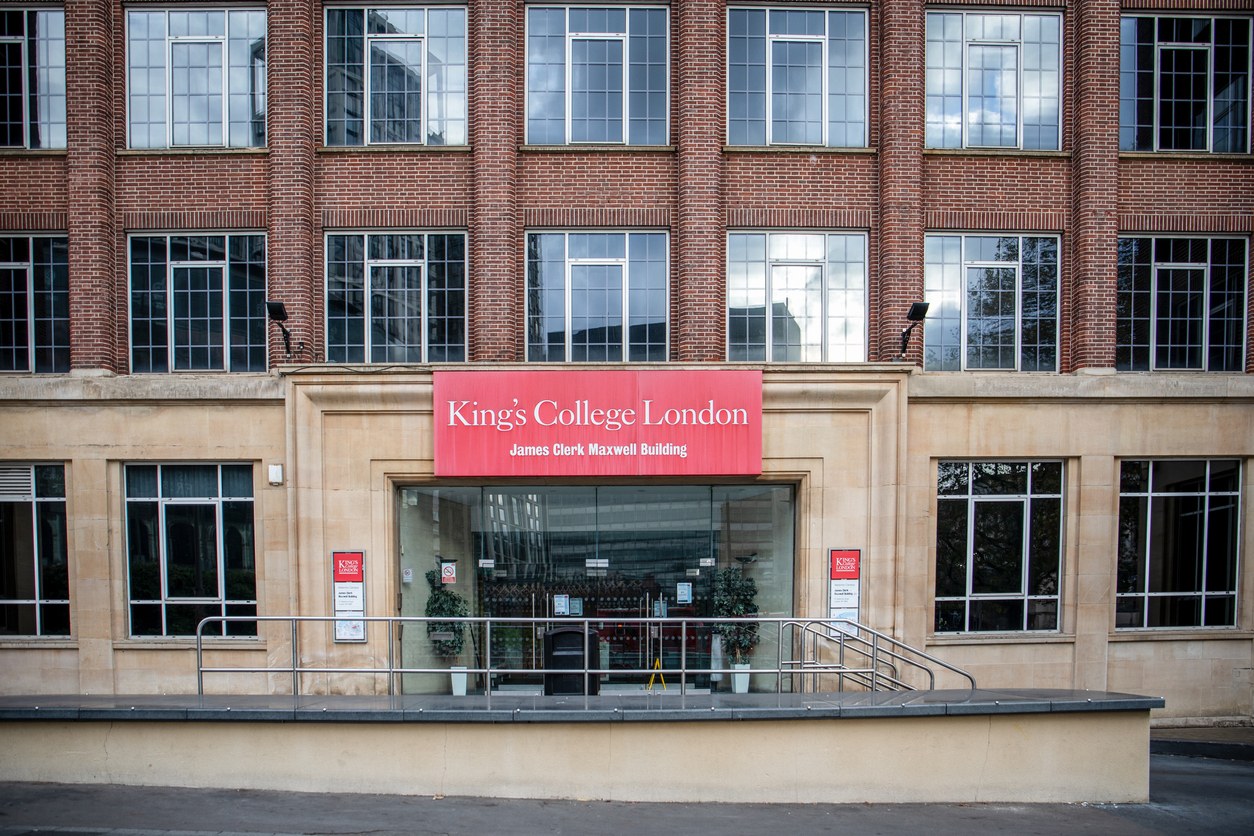
In its latest initiative to be more ‘inclusive’, King’s College London has introduced an overhaul in its teaching methods, one that will ‘validate diverse knowledge systems and lived experience’. Under the heading ‘equality, diversity and inclusion,’ it is proposed that staff should ‘focus on ideas, not grammar.’ Marking should now be ‘inclusive’ and ‘embrace linguistic diversity’.
All of the above is of course thinly-veiled code for lowering standards in the name of a counter-productive and demented variety of multiculturalism. Alas, we should expect no less from academia and even secondary schools these days. For decades, and especially in recent years, the education establishment has been in thrall to the notion that didacticism, the rules of language and objective knowledge – that which doesn’t derive from subjective ‘lived experience’ – are Eurocentric ideologies of oppression.
Yet KCL’s mission to lower standards is even less discreet. It also wants to introduce shorter word limits on essays in order to prevent students from being ‘overburdened’: they will now be capped at 1,300, down from 2,000. Indeed, the new guidance will discourage ‘over-reliance’ on assessment by exam alone. Staff have been told to give students a ‘choice in assessment formats.’
What drives those who manage universities to behave like this, to issue directives against meritocracy framed in such turgid, recycled language? The answer lies in status-seeking, and in a slavish adherence to a hyper-liberal ideology. King’s College made these changes for the similar reason most institutions capitulated over the past ten years: to affirm and confirm their superior elite status among their liberal-left tribe.

When, as an education establishment, you prioritise being a high-caste echelon of society above all else, standards will inevitably suffer as a consequence. Lessening the required length of essays, slackening standards of grammar and making a syllabus more pupil-orientated are obvious examples. But such measures add insult to injury when they show clear contempt for students by presuming they will be ‘overburdened’ by exacting standards or can’t fathom English grammar. This is the education of contemptuous low expectations.
It gets even worse when one considers the ramifications of abasing standards on the understanding that those from ‘diverse’ backgrounds are inherently less able to write in conventional English or able to master and excel at a subject. Not content to treat its pupils as children, King’s College seems to think its ethnic minority undergraduates are mental infants who should be afforded extra leniency and not asked to meet the same criteria as everyone else.
This entire patronising and insulting initiative has the unmistakable whiff of HR meddling about it. It’s been suggested that it’s a response to the university’s desire to close the gap in attainment between black students and their white peers by 2034. In 2021-2022, black students were 18.2 percentage points behind their white peers in gaining a first- or upper-second class degrees.
Whether this should be achieved by lowering standards wholesale is a dubious preposition from the start. Making special allowances for students on account of their ethnic minority background is only likely to have a further corrupting and corrosive effect. As one anonymous King’s College academic told the Daily Mail, students are likely to seek to inflate their grades ‘on the basis their “culture and identity” hasn’t been respected.’
Even if this kind of utilitarian tinkering worked, it could be argued that it’s redundant anyway. As Lord Sewell reminded us last month, white working-class boys are still the worst performers at secondary school level, outranked by their black Caribbean and outshone by their black African classmates. This pattern is bound to be reflected in higher education within a few years of its own accord.
Not only does this initiative by King’s College stink of management meddling, against the wishes of most academics and of students seeking to steel themselves for life in the unforgiving real world, it has the distinct air of ‘trendy teacher’ syndrome. This was the character who haunted all our childhoods, the risible figure who tried to ‘get down with the kids’ by trying to be one of them. But as his wiser colleagues, the ones who actually commanded authority and respect, would always remind us: ‘familiarity breeds contempt’.




Comments