To go or not to go?
Would Andy Burnham be wise to call a general election? The record of PMs since 1945 who took office mid-term:
Anthony Eden called an election straight away and increased the Conservatives’ majority to 60.
Alec Douglas-Home waited almost a year after taking office. Lost his majority.
James Callaghan didn’t call an election until three years after taking office, when he lost to Margaret Thatcher.
John Major didn’t call an election for 16 months, when the parliamentary term was nearly up. Won on a reduced majority of 21.
Gordon Brown blinked when he might have called an election in autumn of 2007. Didn’t do so until 2010. Lost his majority.
Theresa May called an election roughly nine months after taking office. Lost the Conservative majority but stayed on in a minority administration.
Boris Johnson called an election after three months. Won an 80-seat majority.
Rishi Sunak called an election 19 months after becoming PM, six months before he needed to. Went down to the biggest Conservative defeat in modern times.
Seeing red
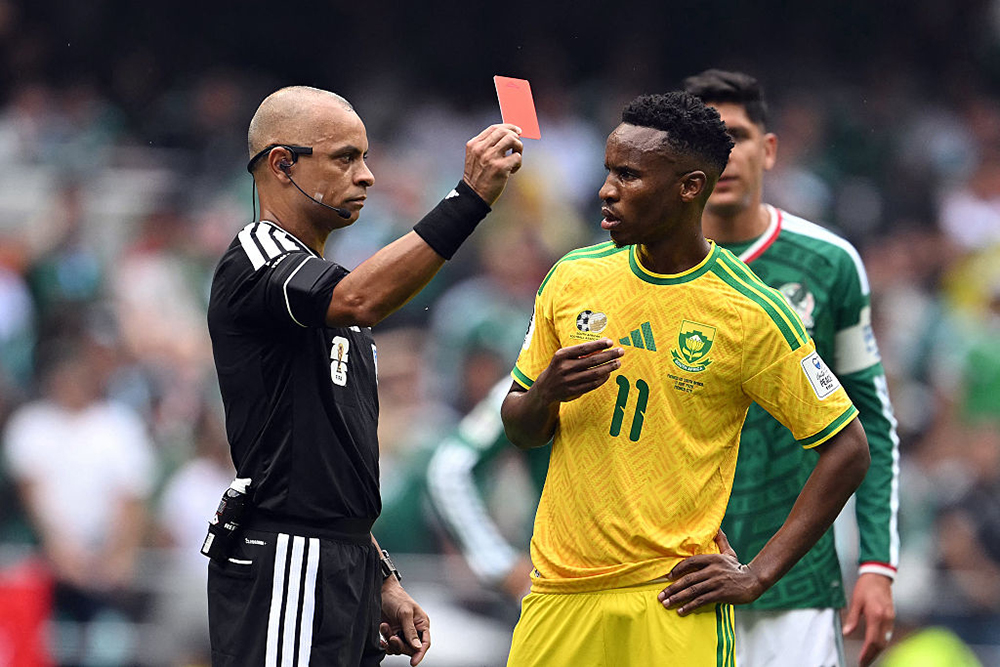
Which World Cups saw the most red cards?
2006, Germany – 28
1998, France – 22
2002, South Korea/Japan – 17
1990, Italy – 16
1994, USA – 15
No red cards were awarded in either the 1950 or the 1970 World Cup. Four were awarded in 2018 and 2022.
Ups and downs
How reliable are lifts at railway stations?
– As of 31 March 2026 there were 1,403 lifts at 540 stations.
– Between 12 October 2025 and 31 March 2026 there were 4,307 faults, a rate of 3.07 per lift, down from 3.21 in the previous reporting periods.
– Passengers were trapped in lifts on 304 occasions.
– The average lift took 21.3 hours to repair.
Source: Office of Rail and Road
Traveller tales
How many traveller caravans are there in England?
– As of January 2026, there were 29,402. 17,973 were on authorised, privately owned sites; 6,479 were on authorised, public-owned sites; 4,950 were on unauthorised sites. Of these, 4,335 were on land owned by the travellers themselves.
Source: Ministry of Housing, Communities and Local Government





Comments