When the ghastly Lynda Snell of The Archers ‘did’ fasting last year at Ramadan in order to suck up to the new Muslim family in town, I thought this kind of thing had got about as silly as it was possible to be. But reading about what happened last week at London Fashion Week took the gluten-free cake.

Non-Muslims either choosing or being compelled to celebrate Muslim holidays has been going on for some time. Understandably if disagreeably, with its Muslim mayor, London splurges on the celebration of Ramadan, decorating Piccadilly – the heart of the city – with 30,000 (sustainable) lights. In the unlikely setting of Carinthia, Austria, an ‘open iftar’ invites all citizens to break the Ramadan fast and eat together – even if, as non-Muslims, they haven’t fasted, which seems to be missing the point a bit.
In fact, you could say that Ramadan has become fashionable, with quite a few non-Muslim public figures observing it, often getting around the fact that they generally have no time for religion by adding a ‘self-care’ spin, banging on about gratitude, self-discipline or – even worse – ‘solidarity’ with Muslim communities. One doesn’t expect rigorous thinking from TikTok influencers, but it’s interesting that they’d never dream of doing the same with the poor beleaguered British Jewish community, who have seen anti-Semitic speech and violence rise to unprecedented levels since the Hamas pogrom took place in Israel three years ago. They could always start with the Jewish festival of Purim, when you have to dress up to make yourself look ridiculous – second nature for many social media show-offs.
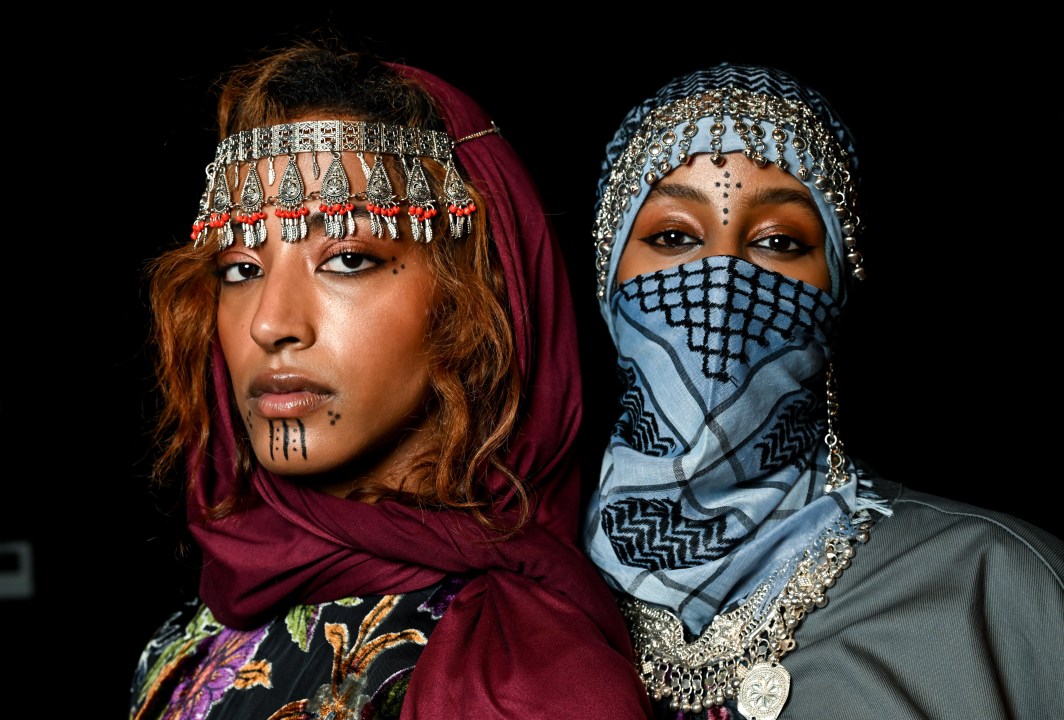
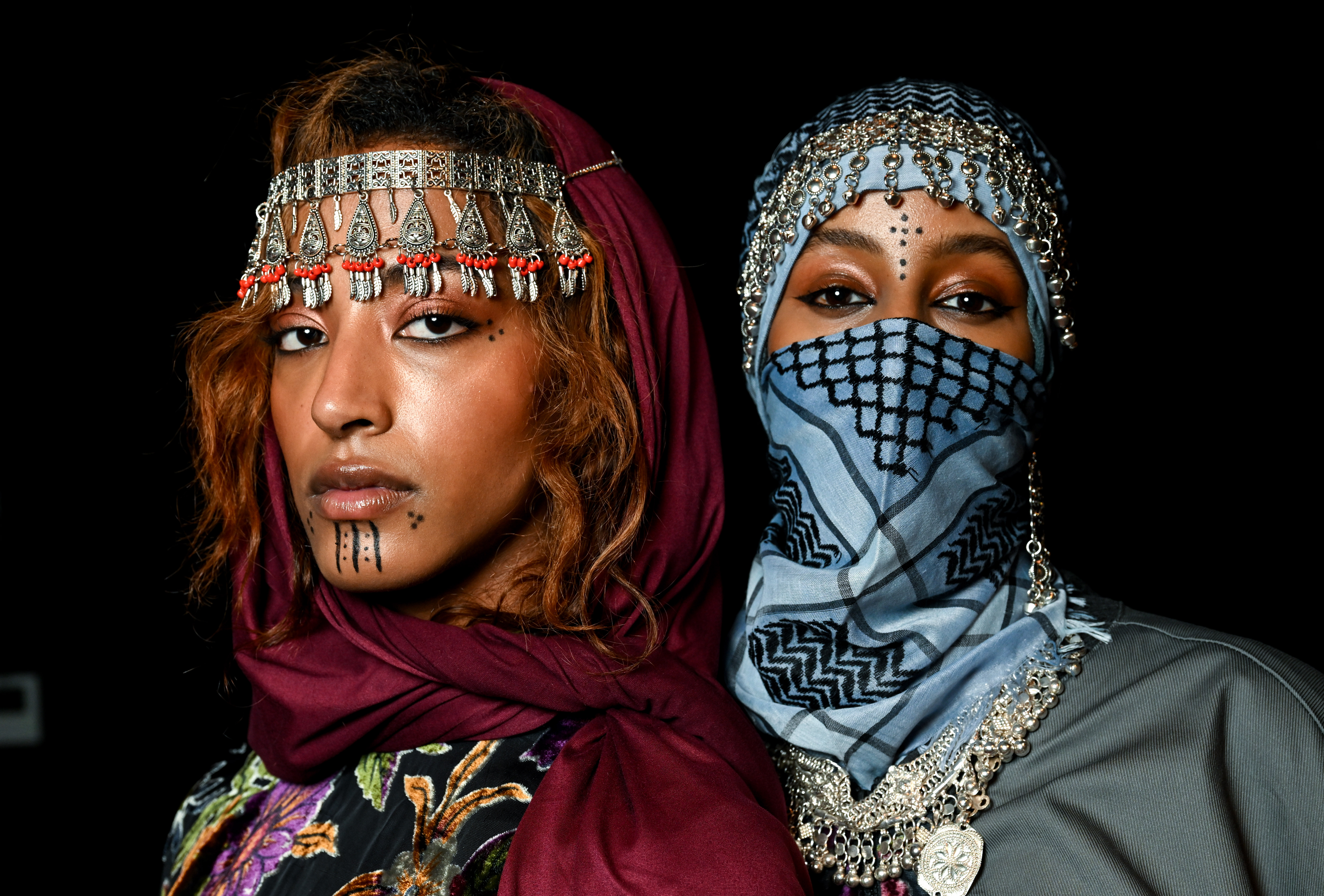
Talking of which, it may seem strange that fashion – by the nature of which everything is loved for a few months and then derided as so-last-week – is the latest branch of public life to find Ramadan hip. Panted the Guardian excitably: ‘British-Yemeni designer Kazna Asker deliberately paused her presentation at sunset to share iftar with the models, who were also fasting, as were the interns and many of the staff. Programming this pause into one of the fashion industry’s most tightly scheduled weeks was deliberate.’
As a student, Asker was the first to put hijabi-clad models on the catwalk in 2022; she says this was inspired by her upbringing in Sheffield and not seeing ‘modest fashion’ reflected in a ‘cool way.’ Maybe because it’s simply not very ‘cool’ to showcase at one’s leisure – having grown up a free woman in a Western country – a garment which millions of women the world over are literally forced into?
I do remember gushing features about ‘modesty dressing’ a few years back, during which the then-editor of Cosmopolitan, Farrah Storr, enthused about the fashion for covering up; she was especially pleased because she felt that she would no longer be expected to get her ‘bingo-wings’ out when the sun shone. It was around this time that the likes of Emma Watson and Victoria Beckham were seen sporting floor-skimming numbers covering every inch of their bodies; I must say that I cynically saw this, like the clean-eating craze, as a way for stars whose skeletal frames have been savagely dissected on social media to hide from accusations of anorexia.
It’s interesting that they’d never dream of doing the same with the poor beleaguered British Jewish community
So perhaps the idea of Islam and the covering up it demands of women partnering with fashion – where eating disorders are rife – isn’t so nutty after all. Or maybe Asker is a high-profile example of those clowns who believe that The Religion Of Peace (in which what men and women are allowed to do is far more binary than in any other belief system) and gender fluidity are natural allies. The Guardian could hardly contain its excitement that ‘Asker disrupted traditional gender codes. One female model wore a jambiya – the Yemeni dagger belt historically reserved for men – integrated into a structured power suit.’ I was taken by the photograph of one of her male models, very pretty, hand on hip, wearing a head-wrap with a huge bunch of flowers attached, like he’d just had his first look at Morrissey on Top of the Pops waving a load of gladioli around. Try walking down the street like that in a Muslim-majority country, mate!
This kind of thing having its moment because of a combination of cowardly cultural cringe and the ceaseless desire of the fashion industry to find new ways of making women look ludicrous while paying handsomely for it. There’s also the matter of huge amounts of money which women from the filthy rich Gulf states – forbidden as they are from expressing themselves in any other way – spend on clothes to be taken into consideration.
As with the unspeakably stupid Swedish female MPs – Sweden’s self-declared ‘first feminist government in the world’ – who chose to wear the hijab when they visited Iran some years back, the woman-hating imams of mosques worldwide must be wetting themselves with glee that certain sections of free-born Western women are doing their disgusting work for them by willingly taking on the mantle in a world where the brave women of My Stealthy Freedom risk their lives in order to feel the sun on their faces. Or look at the laughing young mini-skirted women in photographs of Iranian universities with no inkling that the slavery of the compulsory hijab was just around the corner – though hopefully, that will soon be history too.
There’s a poignant social media meme showing the national dress of women before and after their countries were conquered by Islam; the beauty, colour and diversity of the former, including the Yemen, are replaced by uniform shrouds. The likes of the free-born, autonomous Asker (whose ‘mood-board’ as featured in Vogue even showed photographs of women wearing the burka, where even the eyes are covered by a mesh) have more than a hint of the Marie Antoinette playing at milkmaids about them – and are easily as silly as Lynda Snell.



Comments