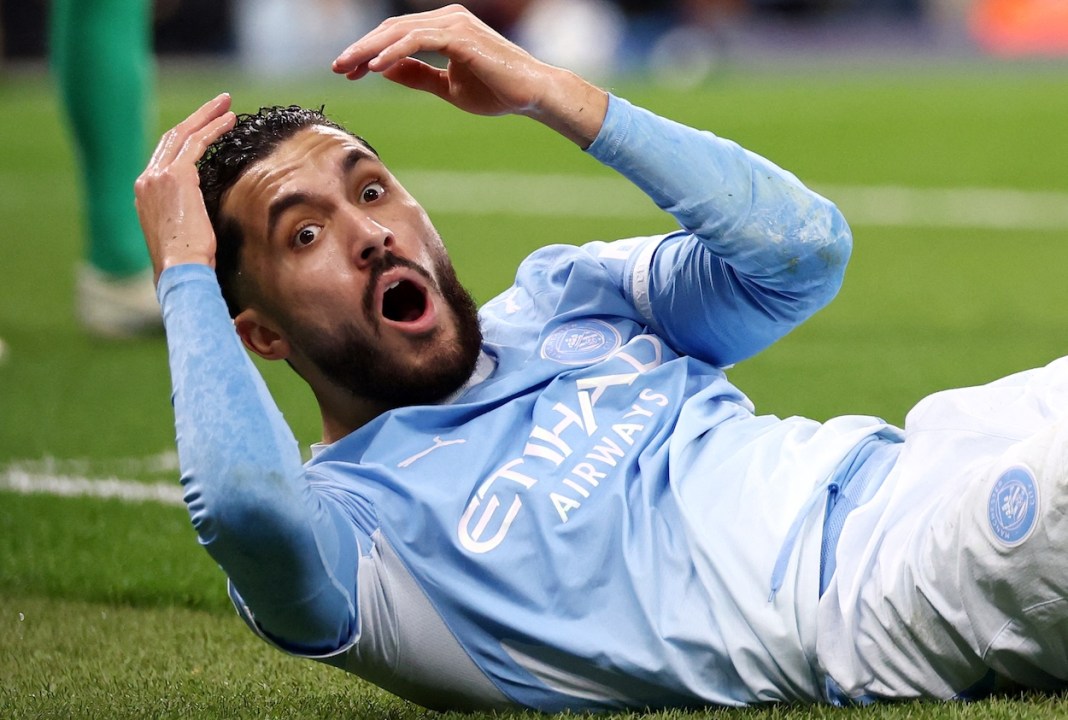
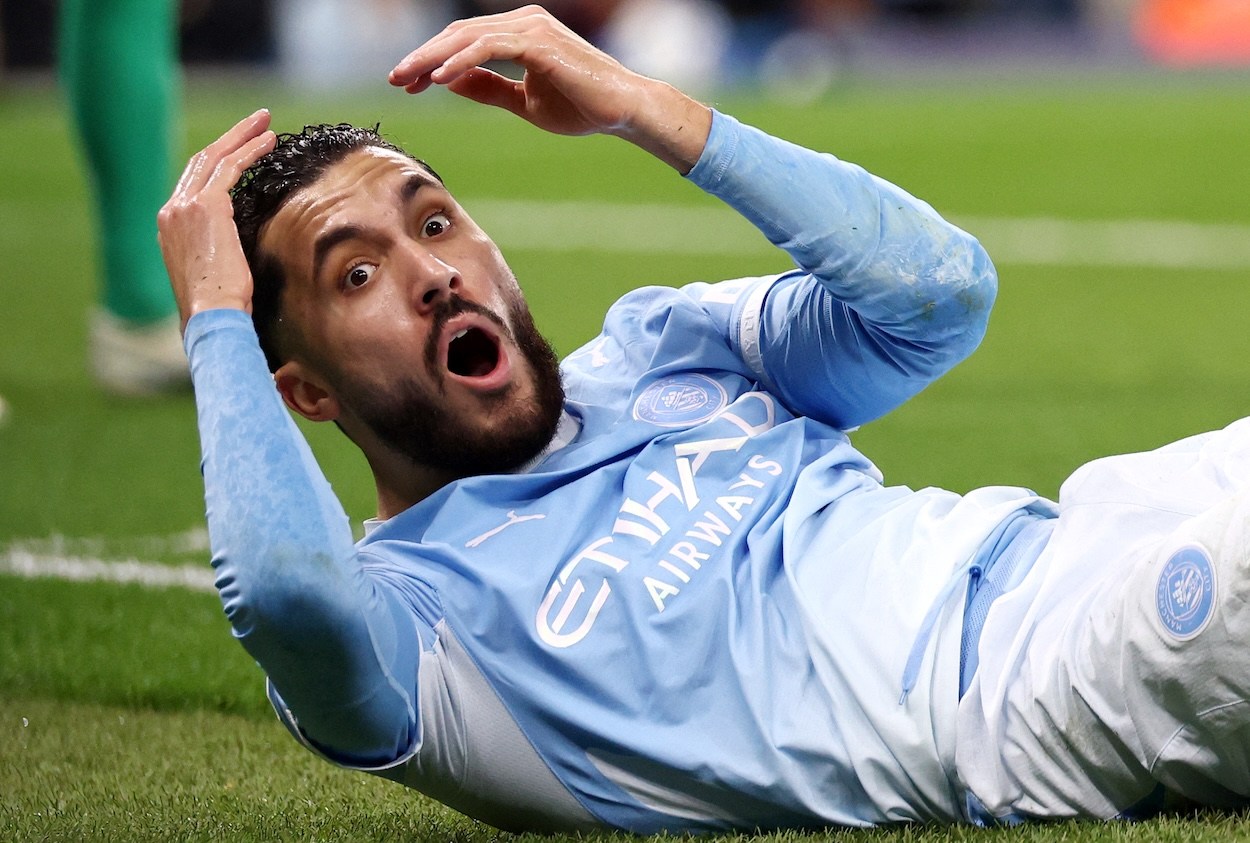
Rayan Cherki is the most entertaining player in the Premier League. The Frenchman’s speed of thought and coordination of feet in rolling in Manchester City’s third goal against Liverpool would ordinarily have been one of the highlights of the season.
But this is, clearly, not an ordinary season. The Premier League should be applauded for pursuing its case against Manchester City and addressing the club’s financial misconduct in clear and strong language. The league’s problems, however, are only just beginning. The relevance of this year’s competition is ebbing. The shock of the verdict has been replaced by a tedious inertia ahead of details of the punishment. Did Cherki’s goal matter? It earned City three points. The Premier League is likely to try and subtract many more.
There are now two processes running with separate timelines. Manchester City has appealed against the verdict and the outcome will be known by late January. Meanwhile, the Premier League will propose a punishment to its independent commission. Manchester City will have a chance to argue against it and the commission will rule. Both parties can contest the punishment. If it still felt aggrieved, Manchester City could go to the High Court, but the club could only contest the fairness of the Premier League’s processes, not rehear the evidence.
Manchester City has maintained its intransigence. And there was a telling detail in recent reporting from Bloomberg, suggesting that the Premier League had offered the club a fine in exchange for an admittance of guilt. The club declined and the league walked away. At this point, Manchester City forced the hand of the Premier League. It is impossible to run a sports league with any integrity if one of the participants flouts the laws.

But now the Premier League is left with multiple overlapping problems related to City’s punishment and when it is delivered. Imagine the Premier League gave Manchester City a huge points deduction that guaranteed that it finished bottom of this year’s competition and a deal was struck with the English Football League so that it began next year in League Two. If the Premier League delivered this punishment in December, what would that do to City’s remaining Premier League fixtures in 2026/27? Would the team continue to play with intensity, or would it focus its attention elsewhere? The Champions League would suddenly matter far more: on the face of UEFA’s rules, City winning the competition in 2026/27 would earn it a place in next year’s tournament. Champions League revenue would be very important for City’s future revenue and its compliance with financial rules in the lower leagues. For the Premier League’s other 19 clubs, playing City pre- or post-punishment could be the difference between survival or relegation or qualifying for the Champions League or the Europa League.
The alternative for the Premier League is that it lets this season play out and hands down the punishment in the summer. This feels cleaner. But it also means another 32 rounds of matches and seven months of the current situation, where the action on the pitch feels like a sideshow rather than the main event. Serious reputational damage can be inflicted in such a period. The Premier League, of course, takes in £3.6 billion a year from broadcast and commercial sponsors who want a part of the highest-profile and most competitive football league in the world.
Beyond all of that is the issue that the Premier League cannot address on its own: Manchester City’s future ownership. Ultimately, the cheating at Manchester City happened not because of inherent corruption within the club itself but because of a financial strategy that the commission found Abu Dhabi United Group had pursued. Had it bought a different club in 2008, a different club could have cheated. Would it ever feel good to have Manchester City under ADUG back in the Premier League?
The Premier League cannot force ADUG to sell the club. Only one institution in English football can do that: the Independent Football Regulator, which was created in 2025. It has its own charter to determine suitable ownership, and it has said it would become involved in the City case once the appeals are heard. But its powers to remove an owner remain untested.
Instead, Manchester City has Premier League matches against Ipswich, Aston Villa and Brighton to come this month. If it wins at least two of them, it will almost certainly start November at the top of the league. There is not enough magic in Rayan Cherki’s boots to make that an appealing prospect.





Comments