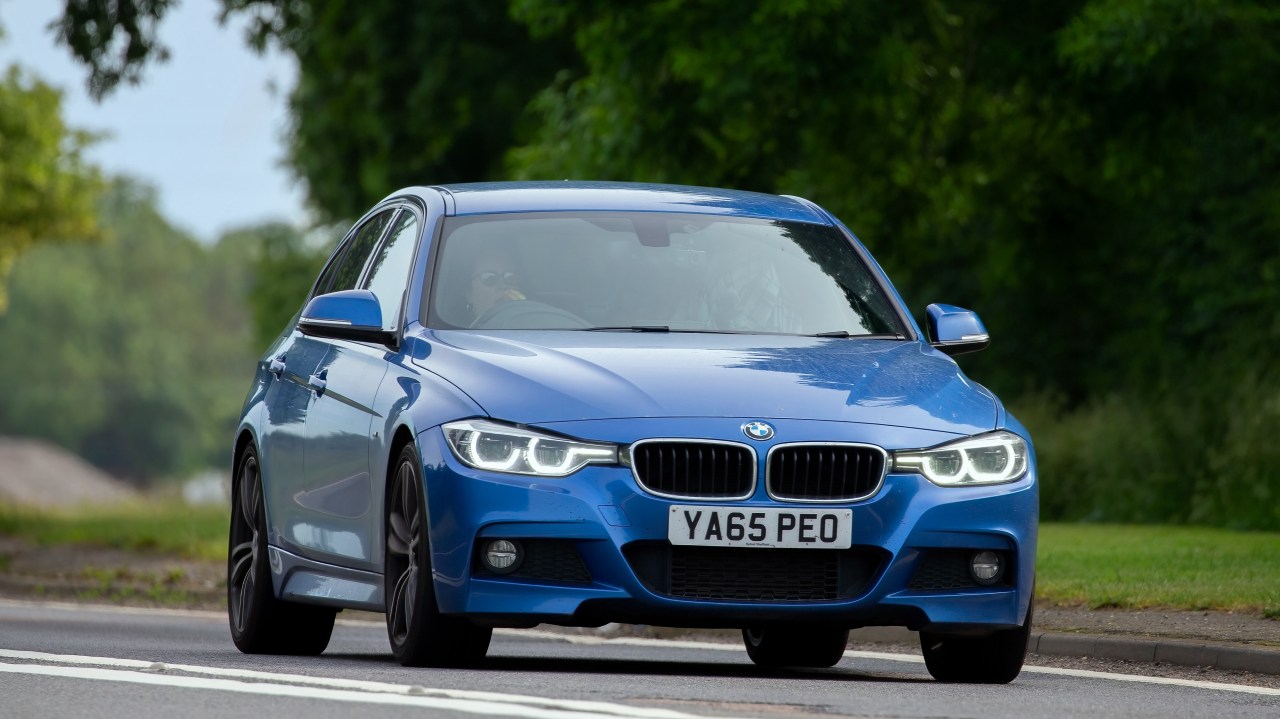
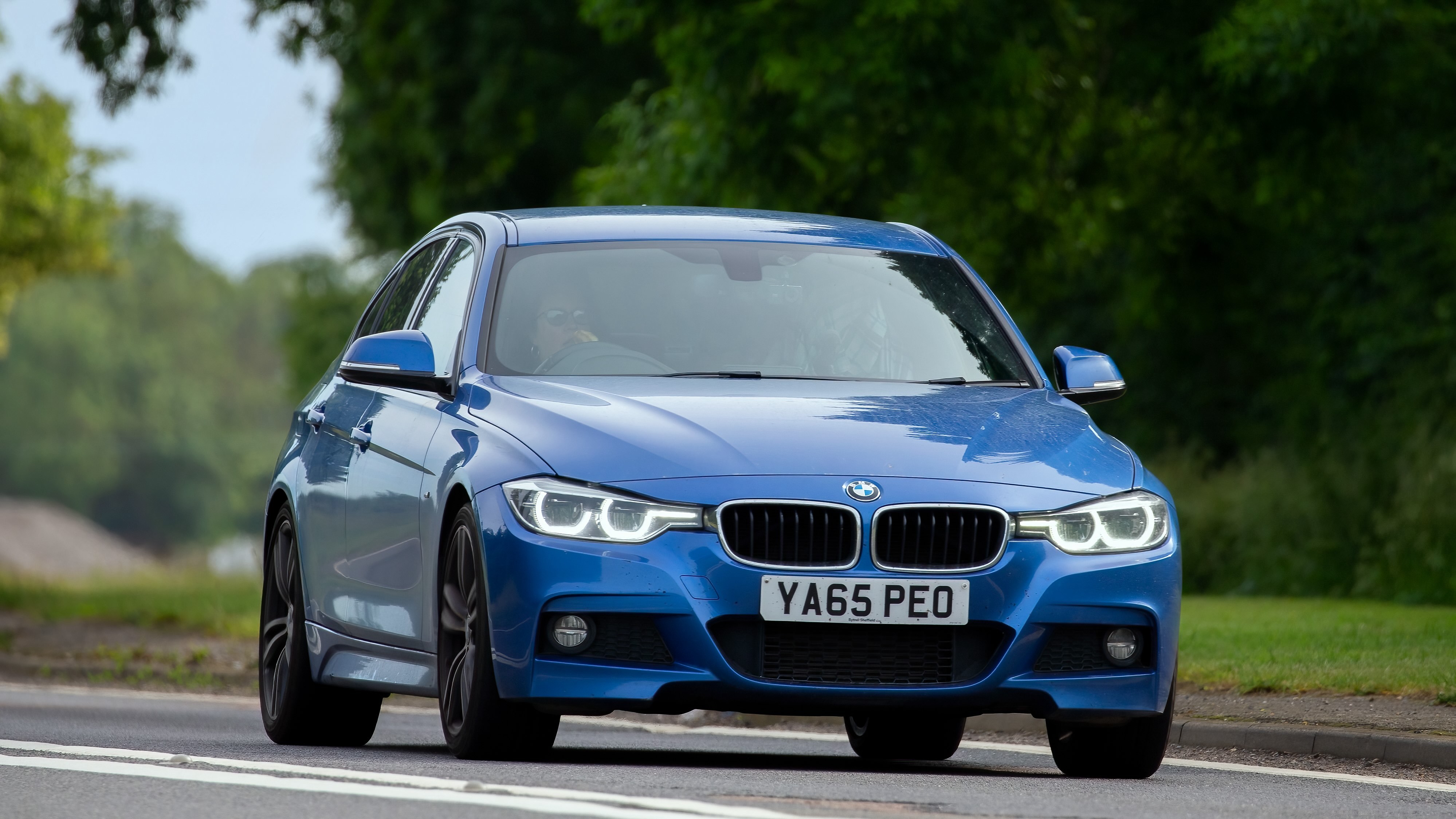
Next time you pull up alongside a shiny new BMW 3 Series, don’t look at the driver with envy. Regard them as pitiful owners of a magnificent failing financial delusion. Around 95 per cent of new UK cars now find owners through fleet or contract purchase schemes. It’s a monetary sedative disguising how we rent a depreciating block of steel for £450 a month, blind to being taken for a colossal global ride.

The current mainstream narrative is comforting: cars are expensive because of inflation and supply chain problems – with a few carrots for right-leaning thinkers about eco-levies, union interference and nasty Russians. It’s a neat lie. The reality – according to figures for bodies like Germany’s Center of Automotive Management – is more spectacular.
The UK has been acting as a high-margin emergency fund for a decaying European car industry that can no longer afford its own chrome-plated overheads. When you buy a baseline Mercedes, Audi or BMW, the company in Stuttgart, Ingolstadt or Munich pockets an average profit of £3,450. That’s before the psychological warfare of the digital configurator.
That baseline price pays for the massive overheads of Europe’s factory floors. It’s when you decide you cannot survive a winter morning school run in your BMW saloon without the ‘Tech Plus Pack’, panoramic sunroof and M Sport trim, that profits skyrocket to around £9,500 per 320i. Those options that the British can’t seem to resist carry an eye-watering 60 – 80 per cent profit margin. A slice of extra carbon-fibre dashboard trim costs a robot virtually nothing to physically snap into place, yet British consumers pay for it as if it were hand-forged by eleven blacksmiths.
And even before all that, it turns out the UK has been a global soft touch, paying a regional markup that foreign peers escape. When you strip away our hefty 20 per cent VAT to find baseline prices, a standard 3 Series costs roughly £34,000 in an American showroom (that’s for a more powerful 330i). If a BMW 320 car heads into a British port instead, the price jumps to £37,479. We pay £3,500 ‘island premium’. Similarly, the exact same Volkswagen Golf would sell at a shiny showroom in Shanghai for nearly £10,000 less than it does among the pot plants at a UK dealership on a dreary out-of-town trading estate.
Europe has become the most expensive and awkward place on earth to manufacture vehicles. Electricity and gas prices are nearly four times the price of American industrial energy. Weedy governments allow top-heavy trade unions to block automation, forcing companies to maintain multiple wildly inefficient domestic factories to appease local politicians. And don’t get me started on expensive and useless compulsory Euro NCAP safety gadgets.
Instead of absorbing systemic costs, European giants milked the British PCP buyer
On top of this is a thick layer of uniquely British regulatory madness. Westminster’s Net Zero mandates imposed massive, shifting electric quotas that the general public didn’t particularly want. Unfortunately, because we drive on the left, global companies face a right-hand-drive engineering penalty to pay for separate wiring looms, dashboards, steering racks and so on for what is a relatively small, isolated island market.
So instead of absorbing these systemic costs, European giants milked the British PCP buyer. For decades. Before the recent Chinese reality check, Europe’s automotive industry’s total annual turnover comfortably surpassed £1 trillion. Our continent’s car elite has more financial muscle than many sovereign nations. In their peak milking years, for example, the VW Group trousered over £322 billion a year in revenue.
These billions weren’t due to breakthrough engineering; they were quietly squeezed out of soft markets like Britain, where six out of ten cars go straight to corporate fleets and over 80 per cent of private buyers are blindly locked into high-margin PCP finance loops. And this is why the European auto establishment is currently having a collective, public panic attack over the influx of affordable Chinese electric vehicles.
The EU frantically slammed a 45 per cent protectionist tariff on Beijing’s exports to shield its coddled domestic car industry. Britain stayed out of the Brussels trade war and opened the floodgates to this new wave of hyper-lean competition – and so exposed the bankruptcy of the European elite.
Continental car bosses whine that China is ‘cheating’ through state subsidies, but the real story is ruthless capitalistic efficiency. Companies like BYD are simply better. They own the lithium mines, battery processing plants and microchip facilities, bypassing the layer-upon-layer of expensive suppliers that bloat a Volkswagen or BMW.
The irony of the Chinese ‘invasion’ is that they are not dumping cheap cars at a loss. Because their vertically integrated manufacturing costs are so unbelievably low, a car like the BYD Atto 3 – which retails for roughly £13,000 inside China – can land in British showrooms packed with luxury features, heavily undercut European competition, and still yield a profit margin of nearly £20,000. They are achieving a level of capitalistic efficiency that the old-guard European brands could only ever dream of.
The great game is finally up. For decades, British motorists have been blindly funding a top-heavy European car cartel that grew too slow, too soft, and too arrogant. The tears flowing from Stuttgart and Paris aren’t a noble defence of fair play or Western manufacturing; they are the desperate whimpers of an endangered empire realising that its favourite British cash cow has finally escaped the pen.





Comments