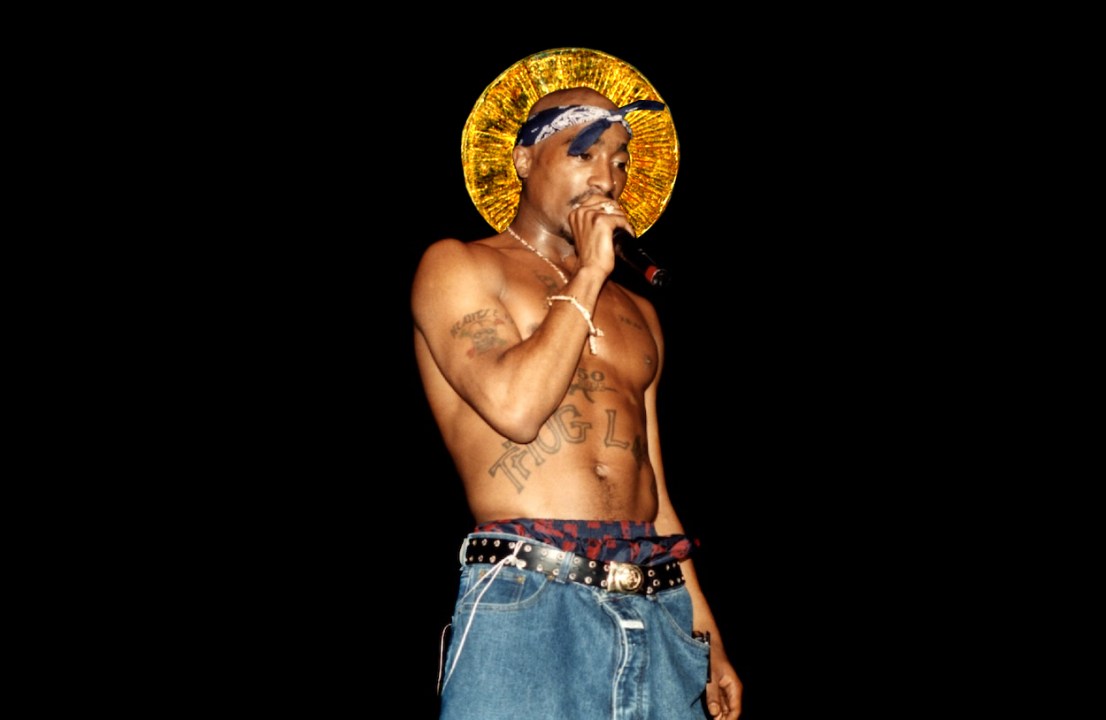
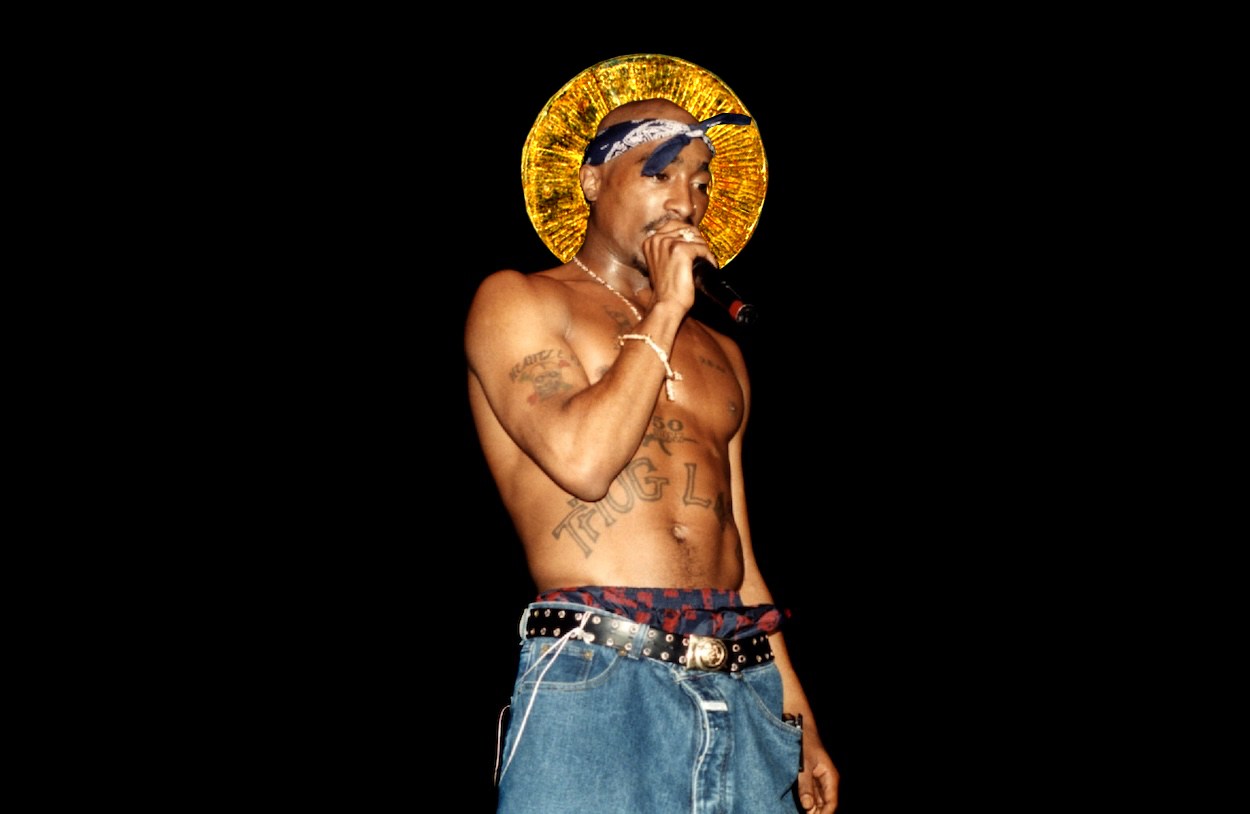
The Tupac murder trial has finally begun. A 63-year-old former gang leader, Duane “Keffe D” Davis, is accused of orchestrating the murder of rapper, actor, and activist Tupac Shakur in a drive-by shooting 30 years ago. Tupac’s reputation – both alive and since – is chequered to say the least. Some still perceive him as one of a cadre of thugs who glorified gun violence and the gang lifestyle in the 1990s (if you’ve ever heard the phrase “Thug Life,” that’s one of his). Others have continued a campaign of quasi-canonization, presenting him as a tortured poet struggling against the strictures of fate. The latter argument gradually won through, with Tupac now closing in on Princess Diana in the global “national treasure” stakes. And in a similar fashion to Diana, it all feels slightly confected and overdone.
Middle-aged men have also played their part in neutering gangsta rap
The trial already feels like one of those exercises you do in a history class, run by an overly keen young teacher, encouraging debates such as “was Churchill right to” or “was Caesar justified in.” Just like these debates, the real result doesn’t matter. Those involved have become characters of fiction, fetishized so much over the years that we might as well be discussing Odysseus or Captain Ahab: any answers or new information feel purely academic. It also turns out that the best means of neutralizing 1990s gangsta culture was there all along: you neuter it by making it cuddly and universal, turning its Glock-toting villains into doe-eyed saints.
Young women are the biggest culprits in all this. First they came for the serial killers: woe betide a true crime miniseries that doesn’t have a heartthrob to romanticise (Ted Bundy was, after all, just a bit of a fixer-upper). The rappers with a rap sheet were an easier job, particularly if their lyricism was good. It took little effort to re-imagine them as doomed souls who received insufficient love and were thus unduly punished. Tupac’s Vegas shooting ends up having all the romantic tragedy of Alexander Pushkin’s death in a duel.
It helps that some of Tupac’s lyrics feel like they were written by a focus group to rehabilitate any accusations of misogyny. In “Keep Ya Head Up,” he notes how we (men) “Got our name from a woman and our game from a woman/ I wonder why we take from our women/ Why we rape our women, do we hate our women?” Strong words for someone sentenced not long after for a crime the judge called “an act of brutal violence against a helpless woman.” Yet somehow, despite the 2,300 word-long “Legal Issues” (great euphemism) section on Tupac’s Wikipedia, he manages to come across as an ardent feminist – the same song features the supremely trite pro-choice lines “And since a man can’t make one/ He has no right to tell a woman when and where to create one.” “That man is a feminist” remarked one friend at college, while she nodded along to one of Tupac’s songs.
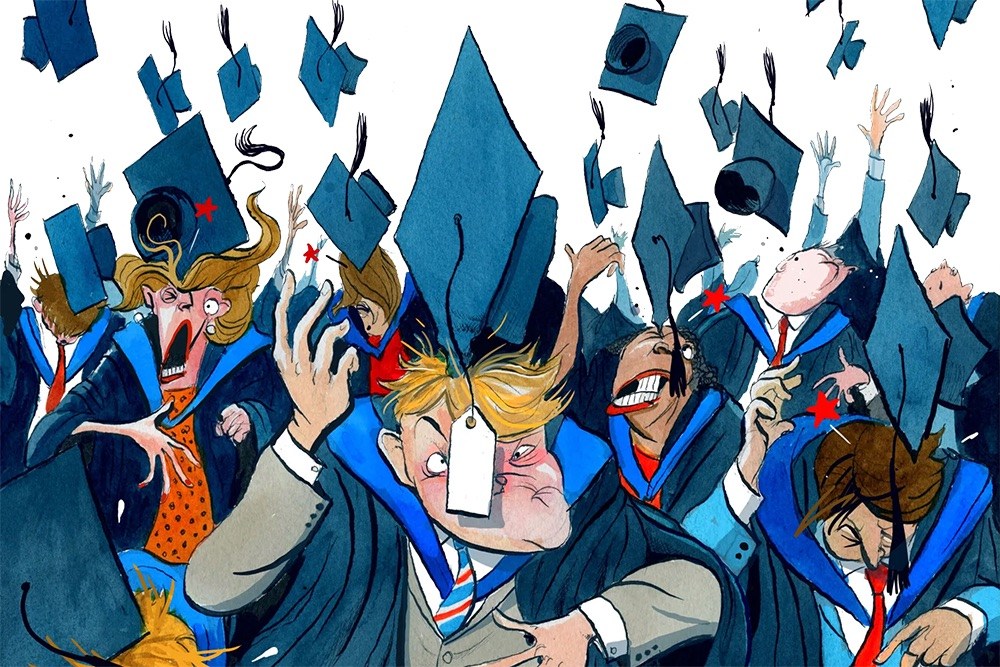
Middle-aged men have also played their part in neutering gangsta rap, doing the service only they can do – making something exceptionally uncool. I remember one friend going to a Jurassic Five gig, expecting to be one of the few white guys to really get the West Coast hip hop group. It turned out half the crowd were balding white men. British Prime Minister David Cameron once mentioned his love of left-wing and anti-establishment band The Smiths, a cultural death knell so brutal it led to guitarist Johnny Marr appealing “stop saying that you like The Smiths, no you don’t. I forbid you to like it.”
Tupac has somehow managed to avoid becoming uncool – being dead gives you a get-out-of-jail-free card – but if t-shirts with your face on them are being sold in Walmart, you’re certainly no longer radical. Playing Tupac today may invite accusations of being “unc” (short for uncle), Gen Z slang that’s used to tease someone as out-of-touch or outdated in their tastes.
What really sets Tupac apart is how his early death meant he never had time to sell out. Alimony and child support aren’t cheap, and big checks are hard to resist. If he hadn’t been shot, there’s a chance he’d be launching a TupacCoin cryptocurrency or promoting cans of Thug Life soda at that god-awful World Cup halftime show – the organizers whispering “make sure he does one of those ‘love is the most important thing’ songs instead of one of the shooty ones.” It happened to Snoop Dogg: the world has forgotten he was once on trial for murder. Now he’s just the funny weed guy from the meme who also does the T-Mobile ads. Tupac is thus feted as a martyr for the arts. He is gangsta rap’s Peter Pan.
It helps that he actually was very talented. His story-telling and lyrical vulnerability have meant that his music has aged well – Ben Jonson’s line about Shakespeare that “he was not of an age, but for all time” could be applied to a very measured degree. Many of his lyrics were tame and universal enough that I could mope around at an expensive private school pretending I was gang-affiliated and raised by a “crack fiend” (forgive me, mother). I’m not sure I was ever the target audience, consciously ignoring the album title Strictly 4 My N.I.G.G.A.Z… (or imagining myself to be an honorary addition), yet the themes of alienation and frustration were easily felt.
In the past few years videos of young Tupac have gone viral. In them, he seems far more sensitive and far less macho. The top comments claim he was gay – an increasingly popular theory – and that the gang-banging was all an act. Somehow, this has become the canonical image: the sensitive muse taken too soon, his teeth now permanently pearly white. There’s enough depth to the Tupac myth that you can perceive him as you like, burying the parts that don’t suit, and moulding him to your ideal.






Comments