
The bar world has gone completely bananas.
By that, I mean the yellow-peeled fruit has become the flavor du jour for drinks. It’s showing up in the usual places – tropical drinks, daiquiris – and lots of unexpected tipples, too, from espresso martinis (banana works a treat with coffee) to playful banana boulevardiers (make that, “banana-vardiers”).
What’s going on here?
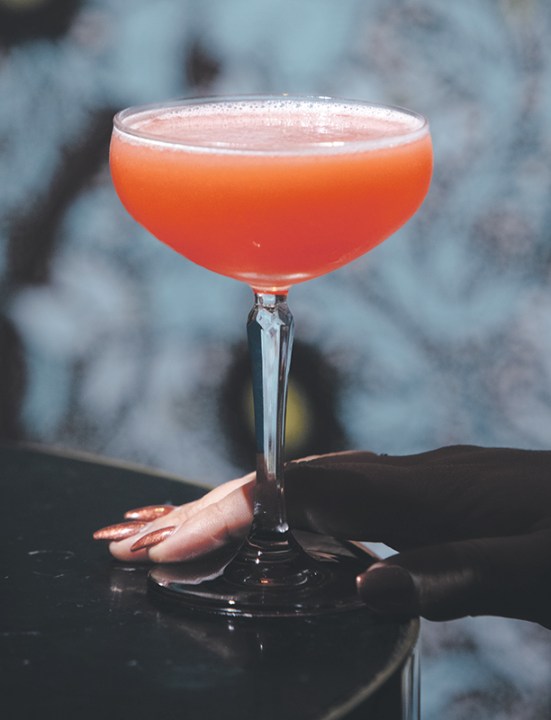
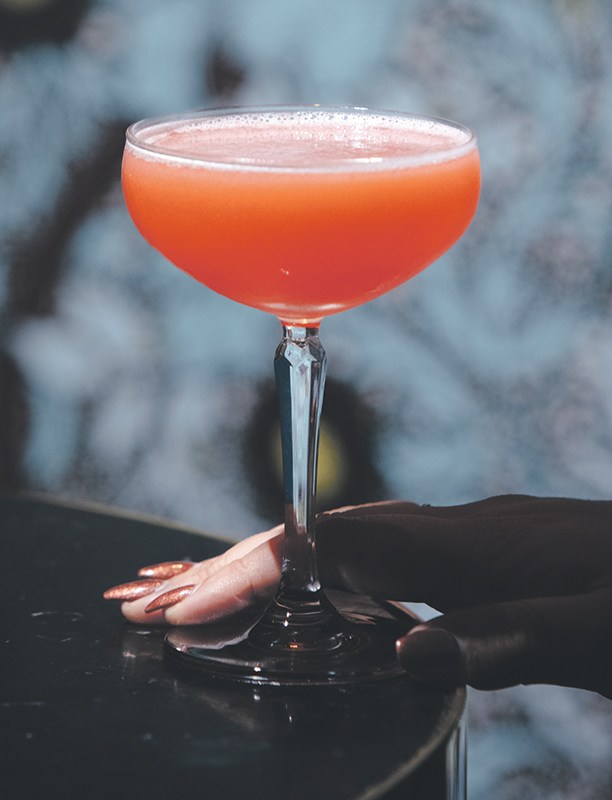
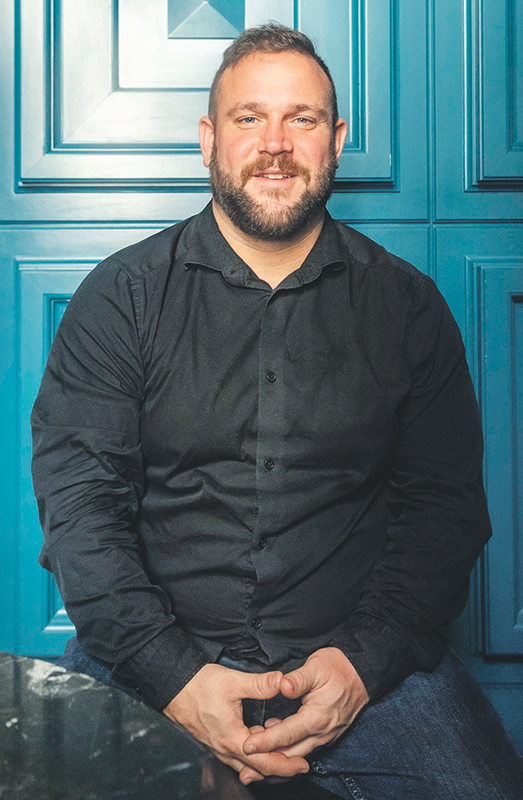
“It’s about nostalgia,” says Patrick Jennings, lead bartender at Andra Hem in Philadelphia’s Rittenhouse neighborhood, where the Gucci Breakfast (yogurt-washed gin, strawberry purée, Massenez crème de banane liqueur, amaro) was inspired by a mix of Tropicana fruit juices bartender Kevin Lopez’s father swirled for him as a child. With the resulting strawberry-banana drink, “I feel like I’m eating a Dannon yogurt,” Jennings says.
Banana-spiked drinks aren’t wholly new, of course; bananas consistently rank among the most popular fresh fruits consumed in the US, as well as around the world. In fact, that familiarity is one of the reasons banana drinks are trending, according to data-tracker Mintel – its tropical roots make the flavor simultaneously adventurous and relatable.
But this particular trend began in South Korea, after Jennie Kim of the K-pop group Blackpink mentioned Banana Kick as her favorite snack during an appearance on a US talk show in March 2025. Imports of the banana-flavored corn puffs surged, the wave spilling over to desserts and drinks, too.
‘It’s better as a subtle touch, a note on the back end of the cocktail, versus punching you in the face up front’
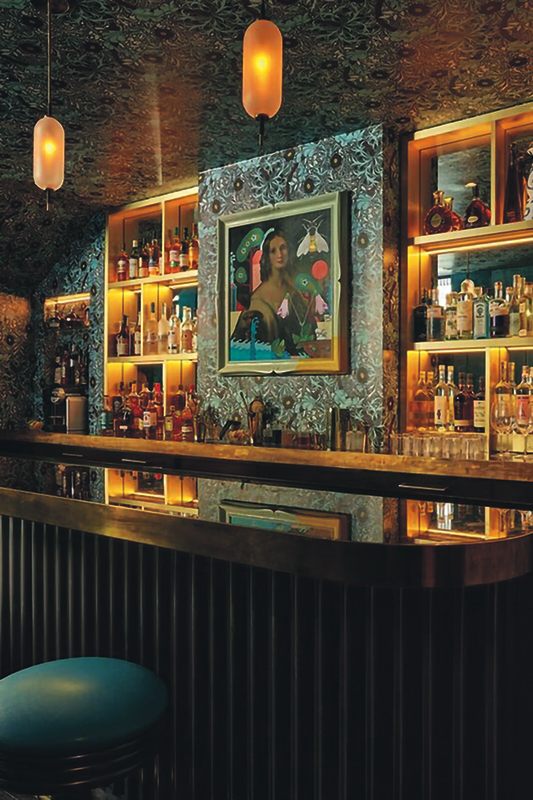
Today, banana continues to dominate dessert cases, in part because it’s versatile enough to pair with a wide range of confectionery flavors – coffee, chocolate, caramel. That’s also a key reason it’s beloved as an add-on for fancy coffees and cocktails. Often, it comfortably spans both food and drink menus – as at Sao, a Southeast Asian oyster bar in South Philadelphia, where the espresso martini-like Wing Phat Plaza (vanilla vodka, coffee, chicory, coconut cream, Giffard Banane du Brésil liqueur), is a popular end-of-meal order, often alongside a banana-cream-filled cannoli.
“It’s been on the menu since we opened a year ago,” says partner and bar manager Jesse Levinson. Yet, he adds, a little banana goes a long way: “It’s better as a subtle touch, a note on the back end of the cocktail, versus punching you in the face up front.”
Perhaps you’ve already noticed that both of these drinks rely on banana liqueurs to do the heavy lifting, rather than fresh fruit. For sure, the proliferation of ready-made banana ingredients have helped support the wave – from banana cold foams at Starbucks to frozen banana purées to liqueurs like Giffard, Massenez, and Tempus Fugit’s crème de banane. Overall, the pros describe the liqueurs are having roasted or caramelized notes, closer to bananas foster than the ethereality of fresh-shucked fruit.
Distillers also have tried to capture the essence of banana in spirits like Howler Head, a banana-flavored bourbon, or experiments like Banana Bread Aquavit from Providence, RI’s ISCO Spirits, where chunks of fresh-baked banana bread and roasted fruit were infused into the caraway-scented spirit.
These bottlings neatly solve the problem of dealing with perishable fruit. “The way bananas disintegrate, if they’re not used in a couple of days, the color changes, the texture changes,” explains Sao’s Levinson. But that hasn’t stopped his team from chasing a house-made banana cordial to replace the liqueur. “Our goal is to make as many things in-house as possible, so you’re getting a unique version of things you can’t get anywhere else,” he says – and that extends to the bar. “We just haven’t nailed it yet,” he admits.
Furthermore, the fruit has been liberated from playing second banana (sorry) in rum-based drinks, or only those deemed “tropical.” Today, forward-thinking pros are pairing banana with any spirit – tequila, smoky Scotch, bittersweet Campari – and chucking it into any drink style, from clarified milk punches to martinis.
“It’s versatile,” Jennings says. “We love using banana. It adds a lot of richness to cocktails.”
For now, I’m enjoying watching how the world’s top-produced fruit is inspiring creative new drinks. The bigger question: will banana have lasting a-peel? (not sorry)
“It’s having its moment,” Jennings observes. “That’s fun to see.”
Hitting the sauce
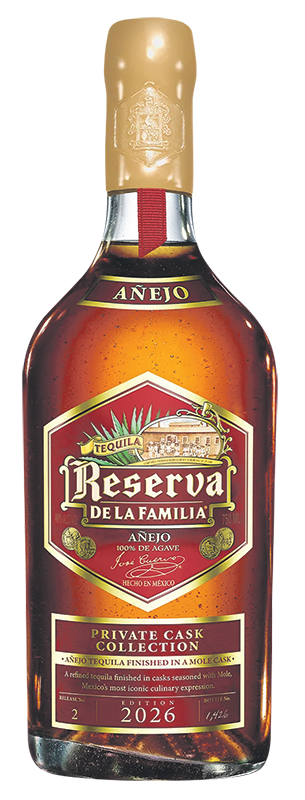
If you love Mexican food, here’s a tequila you’ll want to try: an añejo tequila, finished in mole-seasoned barrels. For those unfamiliar, mole is a delightfully rich, complex Mexican sauce that dates back to 17th-century Puebla, blending anywhere between 20-40 indigenous and Spanish colonial ingredients – cacao, chiles, spices, nuts, etc. It’s a UNESCO-recognized tradition, as is tequila.
For this bottling, Jose Cuervo “seasoned” barrels with Oaxaca red mole, then rested añejo tequila in those barrels for three to four months. It’s possible someone has tried this before, but this is the first commercial mole-finished tequila I’ve come across. So how is it? The amber liquid smells like cocoa, caramel, and cayenne. The first spicy sips bring that capsicum heat back around, swaddling it in layers of dark chocolate, cooked agave, and a teasing hint of roasted peanuts.
If I’m being brutally honest, Cuervo is known for bottom-shelf “mixto,” aka tequila that’s not made with 100 percent pure blue agave. But this limited edition, launched in September, is a leapfrog into luxury territory, using an innovative technique that results in a fascinating, food-friendly bottling worth pairing with your favorite Mexican dishes.
Jose Cuervo Private Cask Collection Edition No. 2: Mole Cask, $120; reservadelafamilia.com





Comments