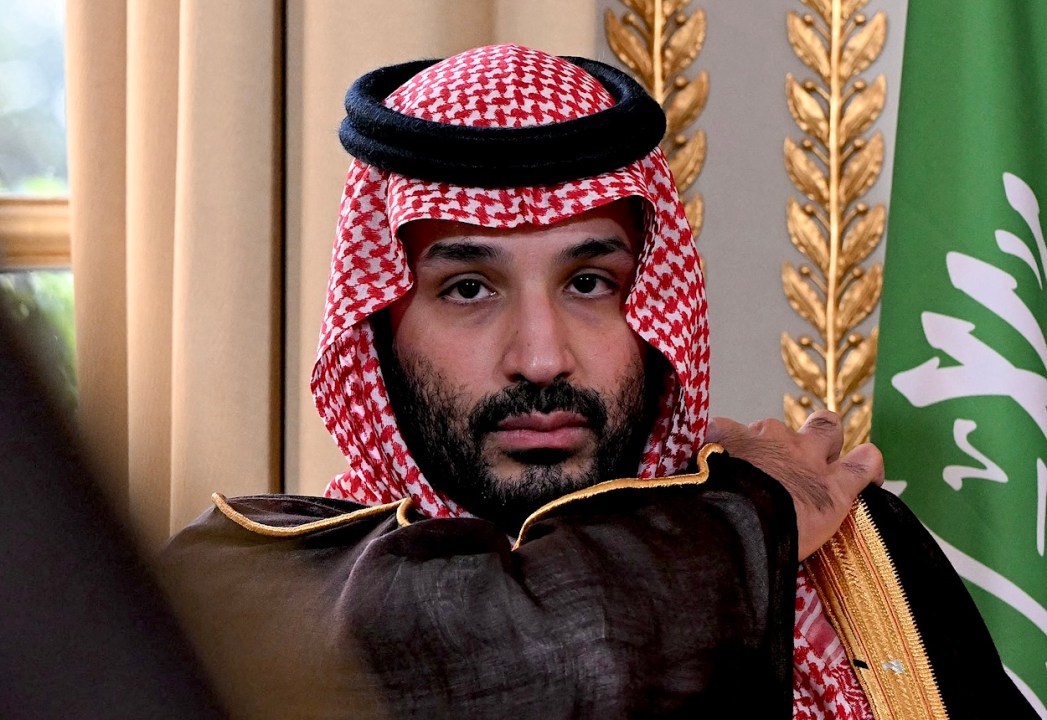
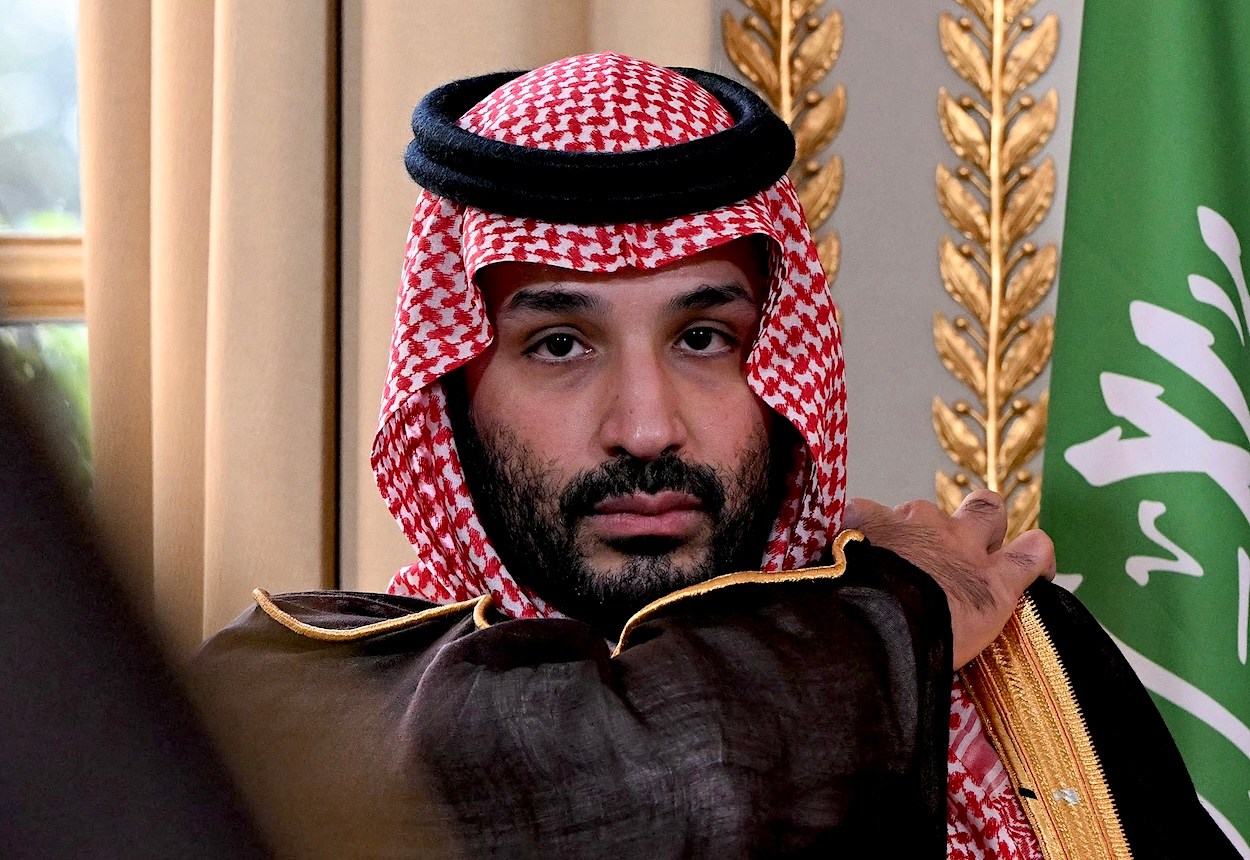
On Wednesday, Saudi Arabia executed a Bangladeshi man and woman over an “indecent act” inside a mosque in Mecca. While the Saudi interior ministry hasn’t specified the “indecency”, and some reports suggest that the two had kissed within the parameters of the Islamic worship place, the kingdom mentioned “adultery” as the offense in its prisoner list sent to the Bangladeshi consular general. Nonetheless, for any extent of “indecency” to be deemed a crime worthy of capital punishment is a barbaric affront to humanity.
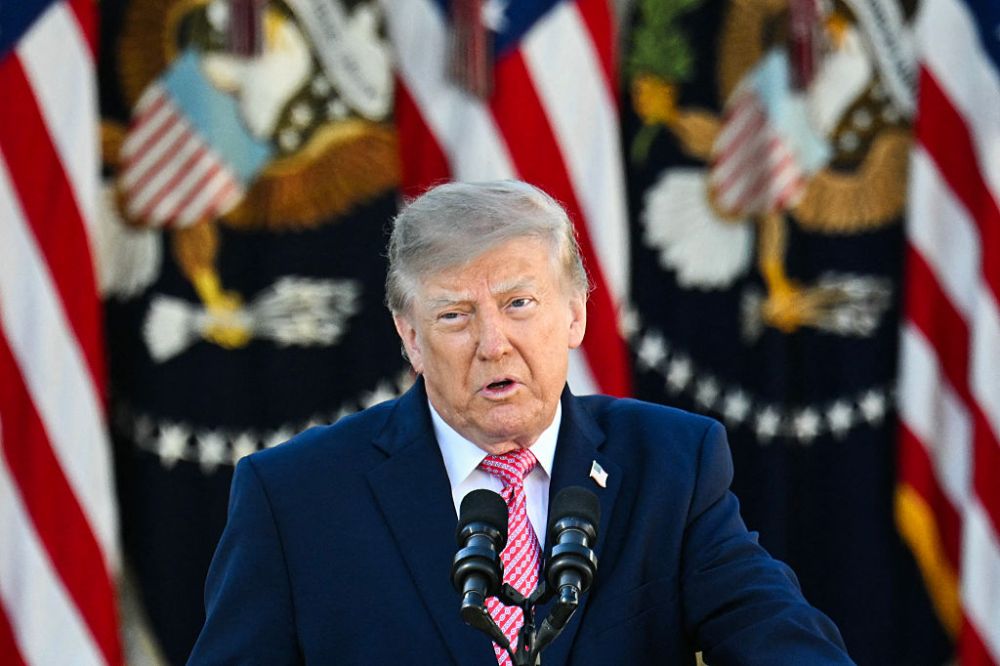
Such grotesque disregard for human life, however, isn’t new for Saudi Arabia and the numerous other Muslim-majority states that incorporate Islamic sharia in their penal codes, with savage penalties for thought crimes and expressions of physical affection. Saudi Arabia, the custodian of Islam’s holiest sites, last year topped its highest-ever recorded tally by executing 356 people – second only to Iran’s 2,159 – mostly for non-violent offenses, including dissent.
The Bangladeshi duo were sentenced to death by triggering ta’zir, one of three main categories of punishments upheld by Islamic law. As per sharia, ta’zir transgressions, the punishments for which are not explicitly stated in the Quran or Sunnah, are left at the discretion of the qadi, or the sharia court judge. A common ta’zir crime cited in the Quran is “lewdness”, used across Islamic history to severely penalize sexually “deviant” acts, including homosexuality, which is still a capital crime in over ten Muslim-majority states.
While Saudi Arabia kills people for “lewdness”, it is happy to host events and concerts that breach Islamic morality codes. Cristiano Ronaldo, the face of Saudi Arabia’s recent bid of a global makeover, cohabited with his partner Georgina Rodriguez in the kingdom for two years before getting married in August this year, all the while zina – or any sexual relation out of marriage – continues to be violently punished in Islamic law.
Where global superstars are naturally exempt from the macabre sharia clauses in Saudi Arabia, the kingdom also grossly discriminates against non-Arab communities, with a majority of punishments meted out to foreign nationals. Workers from across the Muslim world, often in low-paying jobs, are vulnerable to arbitrary crackdowns and widescale abuses of labor rights. Instead of protecting their citizens, the Muslim states largely remain subservient to Saudi Arabia, which has maintained its stranglehold over the Sunni half of the Muslim world (and the Islamic holy sites) with petro-dollars.
Bangladesh’s response to the killing of its citizens has been to profess ignorance and to issue a subdued request for Saudi Arabia to share legal details of the case. Suffice to say, should the kingdom offer the formality of a response, Bangladesh, like most Muslim states, would accept the sharia ruling, which brazenly tramples the sacrosanctity of human life under the intangible “sanctity of the mosque”. And in its deafening silence, Bangladesh would be joined by the rest of the Muslim world, where violent protests frequently erupt over sacrilegious cartoons and foreign wars.
It is self-preservation that necessitates the al-Saud family’s enforcement of sharia
Indeed, Muslim protesters, including in the West, are trigger-happy when it comes to unleashing any rage directed against non-Muslim entities. There is deafening silence, however, when Saudi Arabia, Iran, the UAE, Syria or others massacre hundreds of thousands, or when jihadist groups such as Isis use Islamic scriptures to carry out some of the worst crimes against humanity. But there is uproar galore against Israel, with protesters in the West camouflaging it in a deceitful shroud of “human rights”, which only seem to matter when it’s non-Muslims behind their ostensible breach.
It is self-preservation that necessitates the al-Saud family’s enforcement of sharia. Any dissension would pave the way for dissidence against the royal family’s absolutist rule over the kingdom. A totalitarian regime is best sustained by a totalitarian ideology, especially when its adherents around the world are willing to accept, if not endorse, pretty much any act of violence committed in its name.





Comments