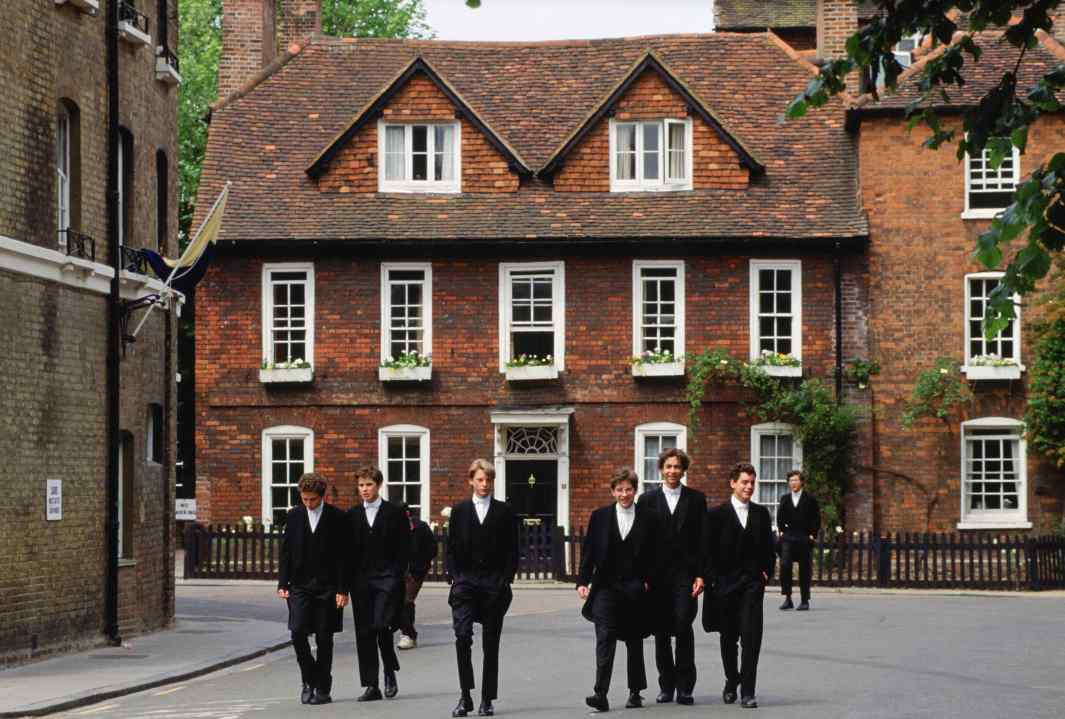
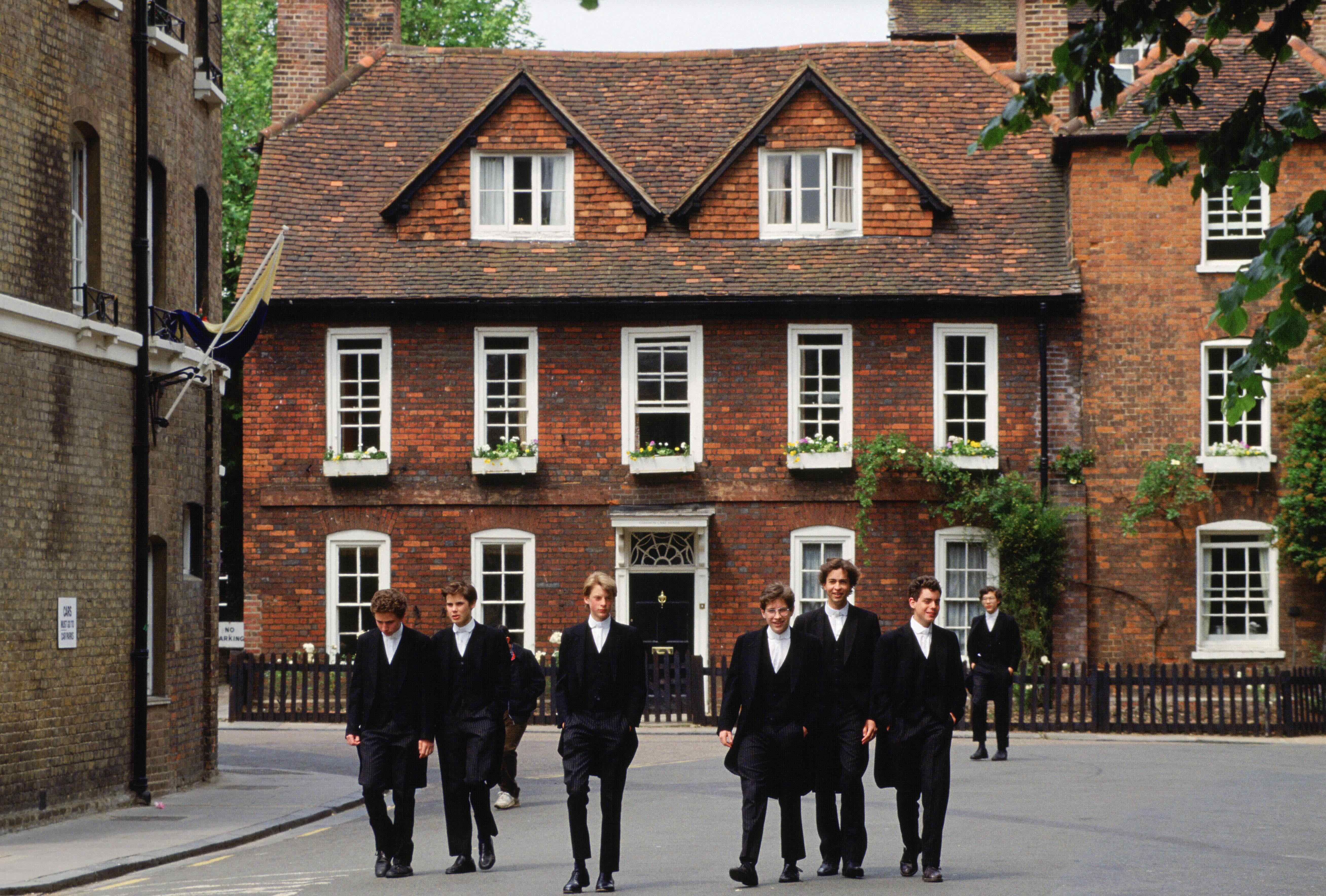
There is something particularly poignant about the closure of a school. The sound of instruments being played, the cheerful pictures on classroom walls, the life given to a street by children milling about, all that can suddenly disappear.
Unfortunately, for many independent schools, the possibility of closure is edging ever nearer, and in some cases has already happened. This is a result of wider pressures facing such schools, including declining birth rates and increases in the cost of living. But one factor that has undoubtedly made things worse is the hostile environment facing the independent sector under the present government – in particular its decision, starting from January 2025, to impose VAT on all private schools and to abolish business rates relief for schools that were charities from April that year, as well as to increase employer’s National Insurance contributions from the same month.
‘It’s the perfect storm,’ says Victoria Kennington, former head of St Christopher’s, a preparatory school near Totnes, Devon, which earlier in May announced its closure at the end of the term. The school was founded 35 years ago as a family business by Kennington’s mother, Jane Kenyon, originally as a nursery, and, when that proved popular, as a school for pupils up to age eleven. This year, however, student numbers fell to about 50, half the school’s capacity. ‘We were all emotionally invested in the school and willing it to succeed,’ says Kennington. The pupils were the offspring of local doctors, small business owners, estate agents, farmers – ‘people really scraping to send their children’. At the heart of the school’s success, in her view, was its ability to expose children to different subjects and interests, and ‘to foster a good work ethic and a love of learning’.
While there can be a debate over how far proprietorial schools – those run at least notionally for a profit – ought to benefit from tax relief, the most unambiguous case is surely for schools established as charities. According to a 2025 report by the Independent Schools Council (ISC), the latter made up over two thirds of its 1423 members. Yet there are clear signs that, since the government announced the removal of such tax relief in 2024, they have been struggling. Some have reached breaking point.
To take one example, in January, Exeter Cathedral School, a nursery and preparatory school, announced the closure of its Year 3-8 classes (ages 7-13) at the end of the academic year, citing ‘unavoidable financial pressures’. The school, a charitable company that traces its roots back to 1179, currently takes boys and girls from ages 3-13 and trains up to 38 students a year for the cathedral choir. Exeter School, another independent foundation about a mile away, has agreed to take on the education of the choristers from September. But although that is better than nothing, it cannot wholly compensate for the loss of a school which specialised in giving young children an education rich in music and history, supported by its location close to the Cathedral.
Before the last general election, Wes Streeting acerbically dismissed the idea that the imposition of VAT would push more children into the state sector: ‘It’s no good independent schools pleading poverty now. I’m just not buying it… So forgive me for not believing the crocodile tears of independent schools’ (Times Radio, quoted in the Standard, June 14, 2024).
His scepticism, it seems, was premature. As Baroness Bloomfield pointed out in the House of Lords on 19 May this year, ‘the number of pupils leaving private schools is now almost four times more than the 3,000 originally estimated due to the Government’s policy. That tax was meant to be one half of a trade-off that helped recruit 6,500 new teachers. That plan has failed: there are in fact 400 fewer teachers now than when they took office.’
The total number of pupils to make the switch to the state sector by 2029 will be much higher than Labour predicted
‘It’s clear that the government’s sums just aren’t really adding up,’ says Sarah Cunnane, the ISC’s Head of Media and Communications. If these trends continue, as the ISC expect, the total number of pupils to make the switch to the state sector by 2029 will be much higher than Labour predicted. And, with declining numbers, more closures will doubtless be on the way. Since July 2024, the signs are clear, says Cunnane, that ‘VAT has just proven a bridge too far’. In sum: that this policy has been a failure should be clear to all but the most hardened private-school haters.
Ironically, the government has recently set up an Education Sector Action Group which aims, according to its website, ‘to increase the UK’s international standing through education’. This despite the fact that almost no other country in the developed world imposes VAT on private school fees. Another purported aim of the group is to ‘continue to sustainably recruit high-quality international students’. It is hard to see how this is consistent with policies that impose ever more taxes on independent schools, which until recently were recruiting a small but steady stream of international students – estimated by the ISC at about five per cent per year – and many of which were highly reputed both within the UK and around the world.
The success of British private education, as Cunnane argues, depends precisely upon the ‘sacrosanct’ idea of independence in areas from curriculum setting to admissions, and the ability to experiment. Yet in the current climate the ISC expects international student numbers to ‘decline’ – thereby also decreasing the probability that they will choose the UK for university. So much for economic growth.
Fundamentally, the question is one of principle: whether independent schools, especially charitable foundations, are considered a sufficient public good that the country should offer them a basic level of tax relief. Put another way, are they really less deserving of the state’s financial support than all the others who have benefited from its largesse – charity shops lining decimated high streets, crackpot religious groups, and so many more. But then, as Streeting’s words imply, no organisation, however flawed or fanatical, can be as ideologically opposed to today’s progressives as the independent school.




Comments