
I’ve spent the last few years building an audience of skeptics and – let’s be honest – more than a few conspiracy theorists who turned out to be right about some pretty big things. We saw #MeToo devolve into a moral panic where accusation equaled guilt and due process was something only rape apologists cared about. We watched Covid turn half the country into snitches who, drunk on their own righteousness, ratted out neighbors for having a barbecue. We talked endlessly on podcasts about groupthink, social contagion and mobs. And on some of the biggest questions – the lab leak, institutional corruption, “gender-affirming care” and the machinery of public manipulation – the conspiracy theorists were vindicated.
The Epstein files are like a box of chocolates – there’s something in there for everyone
However, being right about some things has become a license to skip the evidence on the next thing. And the Epstein files are where that license is getting cashed in by everyone.
Now before you go screaming “pedo apologist!!!” I don’t mean the people who want transparency. I don’t mean the people who think powerful predators should face consequences. I mean the people – our people, my people – who are treating a document dump like a decoder ring, connecting dots that don’t connect, assigning guilt by association and whipping their audiences into a frenzy that believes the Baal-worshipping elites definitely drank the blood of infants and turned them into jerky with the confidence of someone who has never once been wrong about anything.
Past vindication has turned into its own form of authority – and it’s just as unearned and just as dangerous as the institutional authority it replaced. The skeptics and the conspiracy theorists have merged into one, giant, horseshoe-shaped audience, and they’ve found the one panic they all have permission to join.
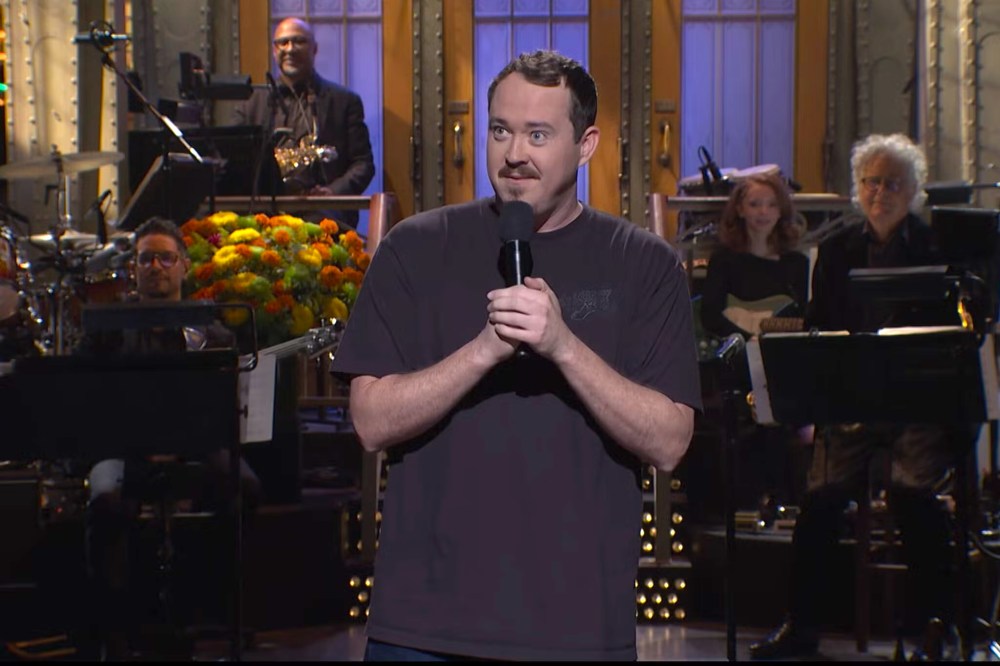
And here’s the thing – this isn’t a left-right problem. It’s an everyone problem. Extremely-online Democrats are wielding the Epstein connection as a cudgel against Trump, branding his entire orbit as “the Epstein class.” Extremely-online Republicans are convinced the files will finally expose a network of Democratic pedo elites. Both sides are looking at the same documents and seeing completely different movies. The Epstein files are like a box of chocolates – there’s something in there for everyone.
We’ve seen versions of this movie before. In the Eighties and early Nineties, the Satanic Panic consumed America. Preschool teachers were accused of ritual abuse. Families were destroyed. People went to prison! The whole thing was built on nothing – recovered memories, leading questions and a culture so desperate to protect children that it went into a kind of collective hysteria.
The Epstein situation is different in one critical respect: Jeffrey Epstein was a real predator. Real crimes were committed. We know that real victims exist. But that kernel of truth is exactly what makes the current panic more dangerous, not less. It gives everyone permission to treat speculation as truth, proximity as proof and a flight log as a conviction. The fact that something terrible actually happened becomes a justification for whatever theory you want to push. “Isn’t it weird, man?” is compelling and it might be true. But it’s not evidence.
And the medium has evolved. The Satanic Panic was fueled by daytime talk shows – Geraldo, Sally Jessy Raphael, Oprah. These shows had massive reach and no obligation to verify anything before putting it in front of millions of eyeballs. They fed on the fear and guilt of the first generation of women to trust their kids to daycares en masse. They didn’t spread the panic because they were evil. They spread it because it was incredible television.
Podcasting is the daytime talk-show of our era, only worse. There are no producers who might occasionally pump the brakes. No network standards departments. No FCC. Nothing. Just a microphone, an audience and an algorithm that rewards the most outrageous possible interpretation of any given event. As Candace Owens has demonstrated with impressive consistency, you can be wrong every single day – demonstrably, provably wrong – and your audience will only grow. Because they aren’t there for accuracy. They come for the feeling of being on the right side of a secret history that the normies are too naive to see.
This is the incentive structure that has eaten American discourse alive. Our institutions have failed so completely that people will believe whatever they want to believe – and the market has responded accordingly. There is no penalty for wild speculation. No reputational cost to being wrong. The crazier the allegation, the more your audience trusts you, because in a world where every institution has lied to you, the person saying the most unbelievable thing must be the one telling the truth.
Everyone on all sides knows this. And everyone on all sides is cashing in. It doesn’t matter what team jersey you’re wearing – the Epstein files are the content event of the year, and no one is leaving money on the table. Except me, apparently.
It would be depressing were it solely a content game, but it’s not. Real people are getting caught in the insanity.
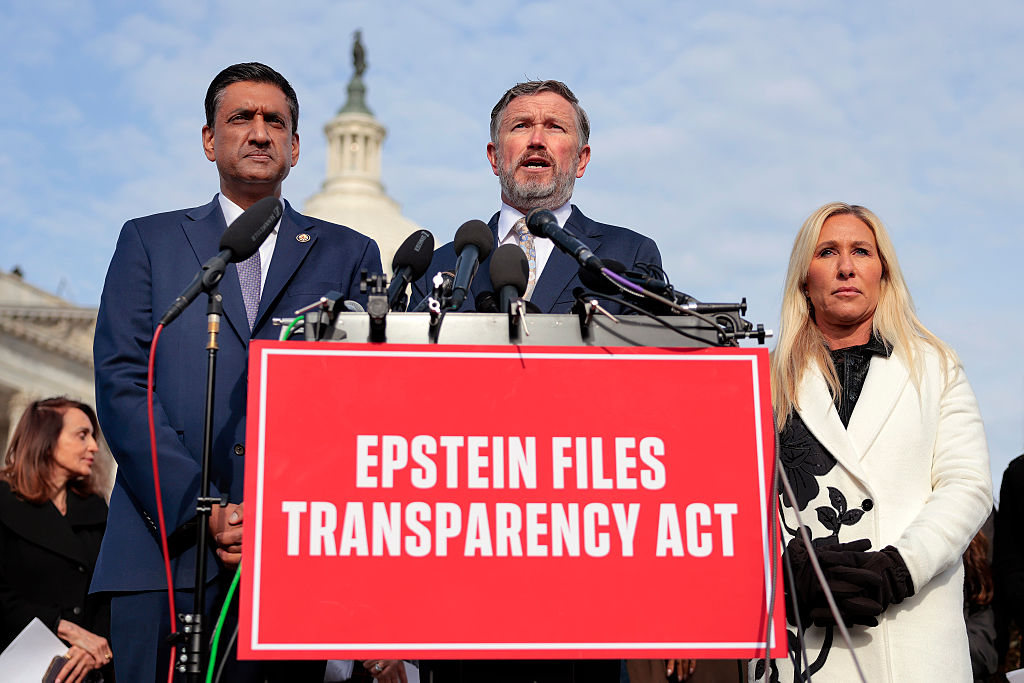
When Representatives Ro Khanna and Thomas Massie – a Democrat and a Republican, united in bipartisan recklessness – started naming names and amplifying allegations from the files, they weren’t performing some brave act of transparency. They were directing a mob at specific human beings. Some of those people turned out to be ordinary citizens with no connection to anything criminal. It didn’t matter. The names were out. The internet did what the internet does. People who had done nothing wrong became targets because a congressman wanted engagement and a culture that has replaced due process with virality gave him the tools to get it.
The Satanic Panic destroyed real people too. That’s the part everyone forgets. It wasn’t just a weird cultural moment. Innocent people went to prison. Children were traumatized by the investigations meant to protect them. We tell ourselves we’ve learned from that, and then we do it again with better technology and a bigger audience.
The question isn’t whether Jeffrey Epstein was a monster. He was. The question is whether the people who correctly identified past moral panics can resist turning a real crime into an everything crime for clicks. No one in media paid a price for the nonstop salacious fear-mongering of the Satanic Panic — they all got richer. Although if you’re all the way down the Epstein rabbit hole, you probably think it’s evidence that the widely debunked Satanic Panic stuff was, in fact, also real.





Comments