England opener Ben Duckett had a miserable winter. His most memorable contribution to the Ashes tour was not his 202 runs (with a top score of 42) but footage of his drunken walkabout in Noosa. England picked him for the World T20 squad, but he never made the XI.

In March, Duckett announced he was withdrawing from the IPL, forgoing his £160,000 contract with Delhi Capitals, to focus on playing first-class cricket for Nottinghamshire. Turning down IPL money has become a theatrical way for players to remind the England selectors that they remain committed to Test cricket. It is also an expensive gesture. Pulling out of the IPL after the auction carries a two-year ban from the competition.
The simultaneous start of the county championship season and the 2026 edition of IPL suggests that Duckett and his teammates will be the last generation to face such a choice. Such is the speed at which the IPL is evolving, it will become all but impossible for players of any sort to thrive in both first-class and T20 cricket.
As the younger, disruptive sibling, it makes sense that it is T20 that is propelling the divergence. It is still less than 25 years since the first T20 game was played. Teams are still figuring out how to play the format effectively. Nonetheless, a considerable leap forward is ongoing. Run rates are soaring. The average number of runs scored per over rose from 8.94 in 2023 to 9.44 in 2024. After remaining static in 2025, it has jumped to 10 in the first 20 matches of 2026.
Some of the pitches have been flat. But the IPL is also seeing the impact of a generation of younger batsmen who have been practising hitting the ball hard and far since they were children. And there is a cultural factor at work, too. Batters have gradually learned to disregard their instinct to protect their wicket. The greatest batting faux pas is no longer getting out while playing an aggressive shot, it is using up too many balls without hitting boundaries. This year, a team is hitting a six every 12 balls, compared to one every 16 balls three years ago.
This acceleration is claiming some unlikely victims. Take India’s mesmeric fast bowler, Jasprit Bumrah. No-one who has played cricket since the second world war has even half as many Test wickets. He twice took out England’s batting in thrilling fashion during last summer’s Test series.
Bumrah’s cricketing brain and range of deliveries enabled him to become an elite T20 player. He is a cornerstone of the Mumbai Indians team, for whom he has played for 14 seasons. The team has repeatedly designated him a retained player to ensure that he has not appeared in an auction since 2014.
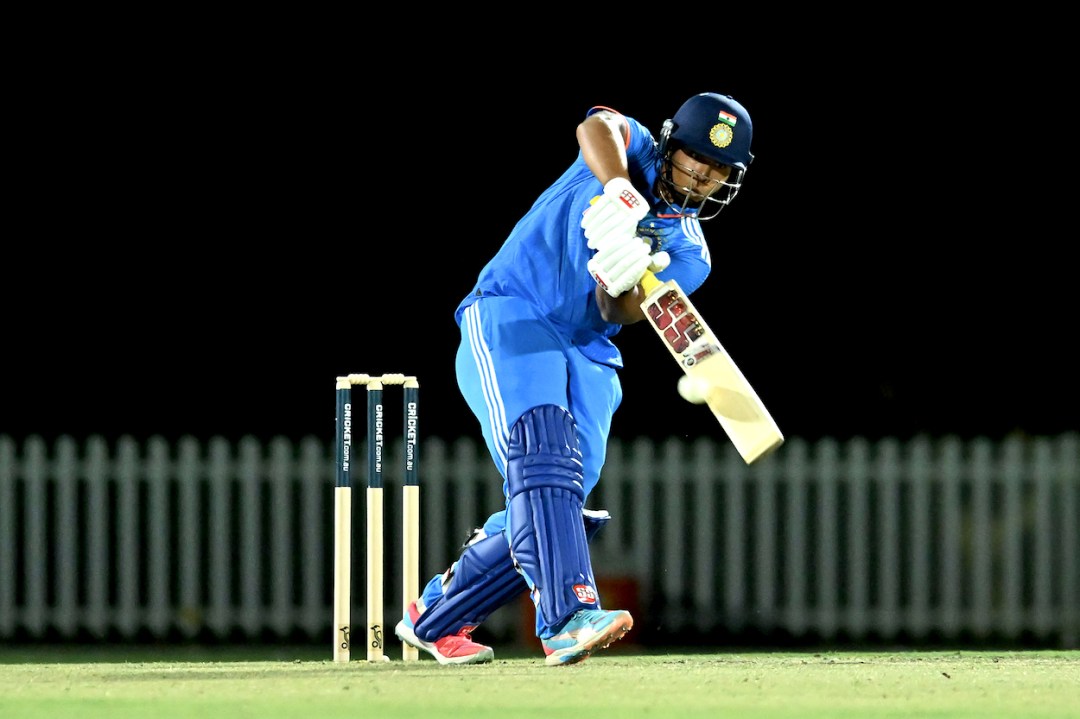
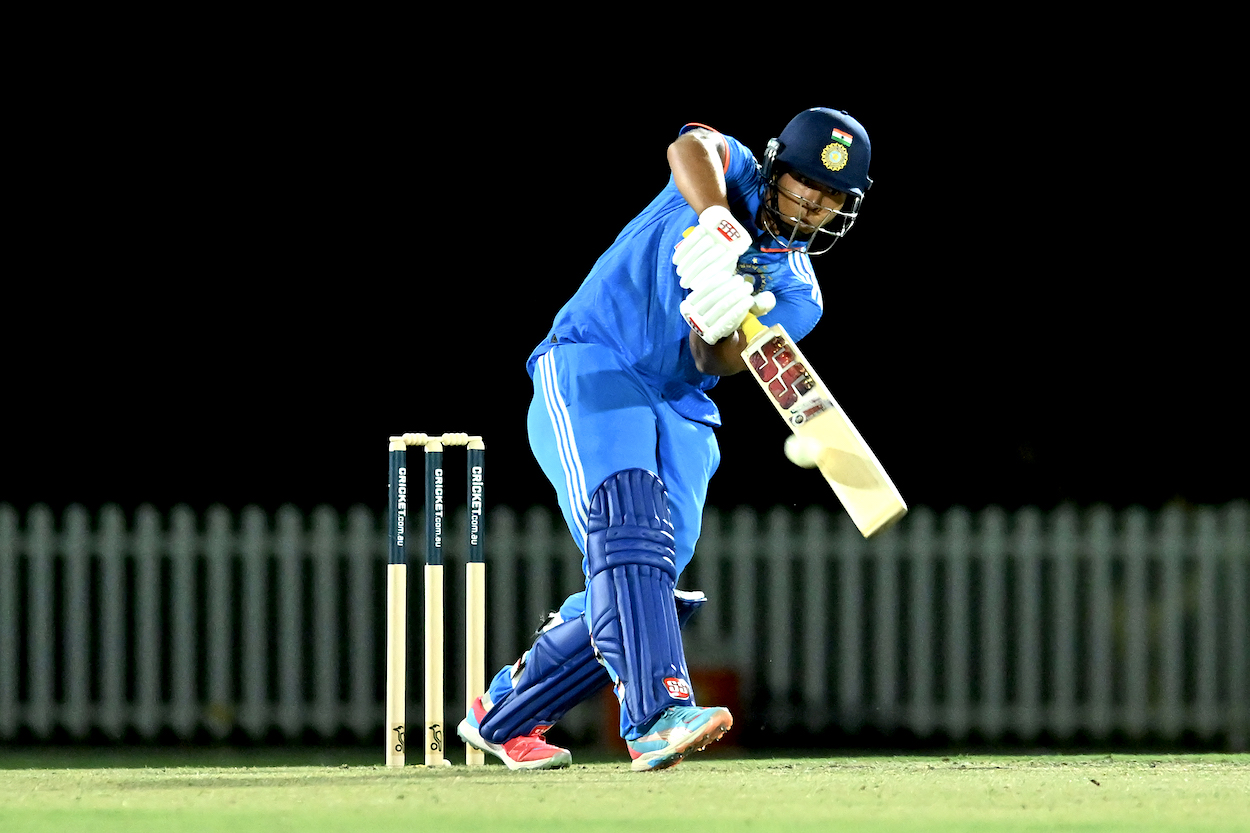
But after five matches in 2026, Bumrah is wicketless and with an economy rate of 8.6, which is little better than average. The most telling footage of this year’s IPL is Rajasthan Royals’ precociously talented 15-year-old opener, Vaibhav Sooryavanshi, facing his first ball from Bumrah and whipping it over mid-on for six. Two balls later, he swivelled and pulled a slower ball outside off over deep square leg. After each delivery Bumrah could do nothing but shake his head and grin. This was both a humbling of a great bowler and confirmation of how the next generation of batters are moving the game onwards. In his first five games, Sooryavanshi faced 76 balls and scored 200 runs; an other-worldly strike rate of 263. The next-best strike rate in the competition is 245. And Sooryavanshi is a rookie teenager.
There have been runs aplenty in the first two rounds of the county championship
There have also been runs aplenty in the first two rounds of the county championship. Batsmen plundered 34 centuries, three of them doubles. Among the bowlers, the average age of the ten players with the most wickets across the two divisions is 34. The most grizzled veteran of them all, James Anderson, was nine seasons into his first-class career when Sooryavanshi was born. The county championship, which still (in theory at least) provides the talent pool for the England Test team, remains a competition that rewards patience, expertise and experience.
The fact that the IPL and the county championship now pay no more than a passing resemblance to each other is, of course, part of what makes cricket so rich and exciting. No other sport has the capacity for such variation. Nevertheless, cricket’s big tent is fraying at the seams. India finally mastered international T20 cricket once it ditched the stalwarts of its Test side. Sooryavanshi could conceivably become the most famous cricketer in history and never play a Test match. Such a sentence would have been unthinkable a decade ago. As Test cricket approaches its 150th birthday, the sport is moving faster than ever.






Comments