France is holding local elections and the candidates are falling over themselves to appeal to a peculiar demographic: dog lovers. A candidate in the south-west city of Albi is promising shared human-dog drinking fountains, with the upper level for the owner and the bottom level for the pet. Her opponent has bitten back with a plan for a pet cemetery. Other hopefuls are proposing dog-friendly parks, food banks for needy mutts and dog-friendlier policies on public transport.

Dog ownership is up in France, particularly among the country’s ageing electorate, so canines have become an indirect electoral force. I can’t help thinking that British politicians may be missing a trick. Britain is a nation of dog lovers: more than 36 per cent of UK adults own a dog and a significant number of the dogless are also fans of our tail-wagging pals. A candidate who managed to win over the doggy demographic could probably glide into office while the rest of us were distracted throwing tennis balls.
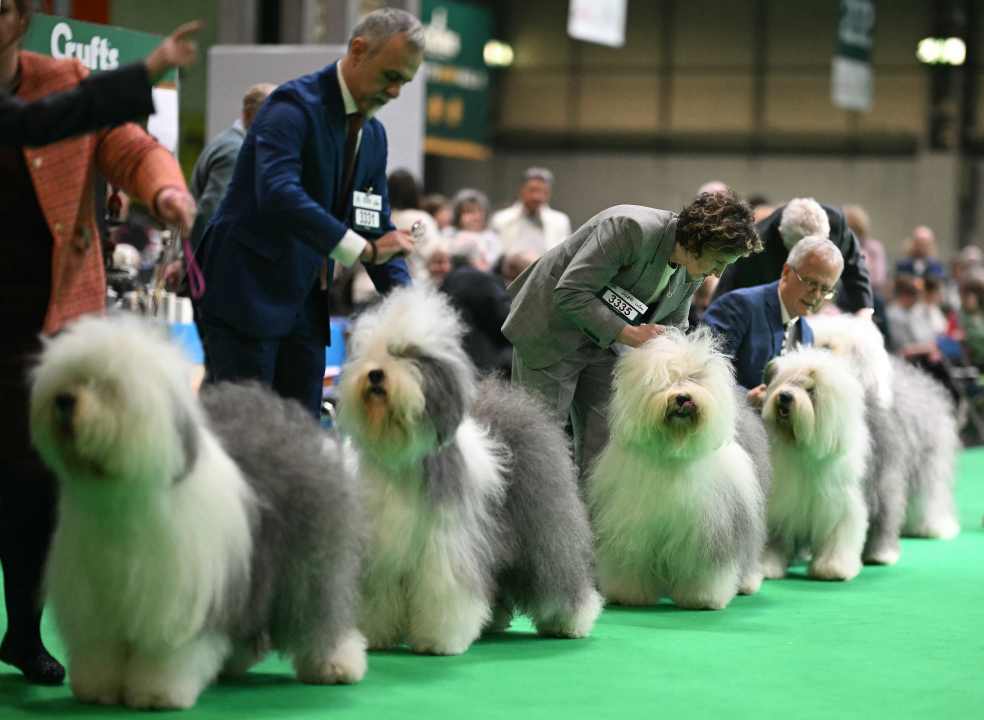
If a British politico wanted to understand the psychology of dog people, then, the obvious place to start would be Crufts, which reaches its climax tonight. This eccentric event has a proud history, and, like a particularly resilient Labrador, it’s survived all manner of historical turbulence. When George VI died in 1952 and the nation was deep in mourning, the show went ahead just 48 hours later. During the Winter of Discontent, it carried on under subdued lighting.
It even cropped up during a murder trial in 1974, when an Old Bailey jury heard the story of a man who began an affair with a woman he met at Crufts. He was later stabbed to death by his wife using the very knife he used to cut up the dog’s dinner. Nice.
This year, more than 18,000 dogs from around the world are appearing at Birmingham’s NEC. There have been agility contests, freestyle heelwork to music, head-to-head relay races between dog teams and a display by the West Midlands Police Dog team. This evening, the winner of the all-important ‘best in show’ prize is crowned.
Like many things involving dogs, the atmosphere is gloriously daft. Thousands of dogs take over not just the exhibition centre but the surrounding hotels and restaurants. At the end of the day they pour out in their hundreds, as though Noah has just opened the doors of a very niche ark. Everywhere you look, someone is brushing, trimming or blow-drying a dog with the intensity of a TV make-up room. The PA announcers frequently use the word ‘bitch’ when they introduce dog contestants, a pleasure denied even Simon Cowell at his own talent contests.
The dog who wins best in show will have only a vague idea that anything important has happened
Five halls are packed with stalls offering goods like dog treadmills and electric toothbrushes for dogs. There are curious services, such as post-castration or post-death semen harvesting. There’s even emotional support for owners from the Samaritans.
The dog who wins best in show will have only a vague idea that anything important has happened. Their owner, on the other hand, will be buzzing. To qualify, their dog must already have placed first, second or third at a Kennel Club championship show in the past year. Many owners have spent astonishing sums – sometimes well into five figures – on entry fees, grooming, travel, training and outfits. The prize money, meanwhile, sits somewhere between £20 and £200.
Of course, Crufts also raises awkward questions. As awareness of animal welfare grows, critics say that the breeding practices encouraged by pedigree shows can produce unhealthy dogs. And there is something unsettling about the idea of training animals to perform for our amusement – a little like the circus elephants we now look back on with discomfort.
But the folk who attend Crufts are, on the whole, a lovely and devoted group. Around 77 per cent are women. Most are between 45 and 64, though the fastest-growing age bracket is 18 to 24. They are, in other words, exactly the kind of people Westminster strategists like to imagine on spreadsheets.
If you were a politician, you could do worse than try to win over the dog-owning community. We who get out of bed in all weathers to take our dogs out, who scoop their mess into plastic bags and walk on, with scrotal plastic trophies of responsibility hanging from our hands. We who spend so much time, money and effort on our dogs, when the only thing we know for sure is that they’ll one day die and break our hearts.
And dog owners share a strategically important trait: we talk to each other. Constantly. On pavements, in parks, while untangling leads, at the vet, in Facebook groups. Win over one dog owner and the news spreads remarkably quickly.
We’re also fairly easily played. If I speak to a friend and they don’t ask after our dog, Harry, I silently move them on to a mental list of people who have wronged me. But if you say something nice about him, I’ll adore you forever, just like a dog adores their owner.
Photographs of dogs outside our polling stations have become a social media trend on election days. Could they soon be determining what goes on inside the booths?

Comments