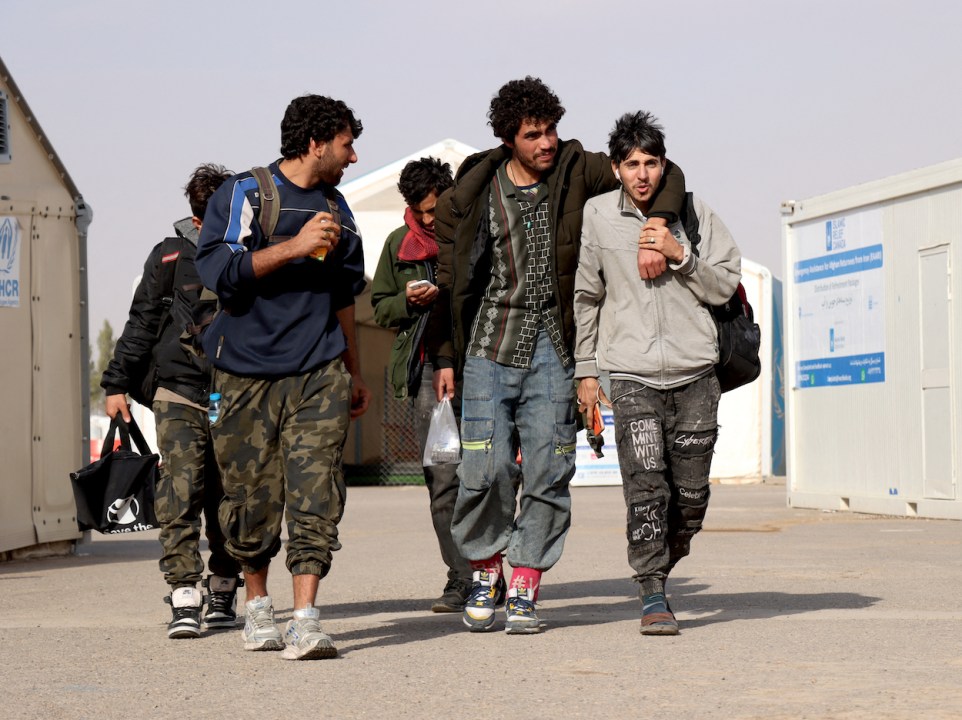
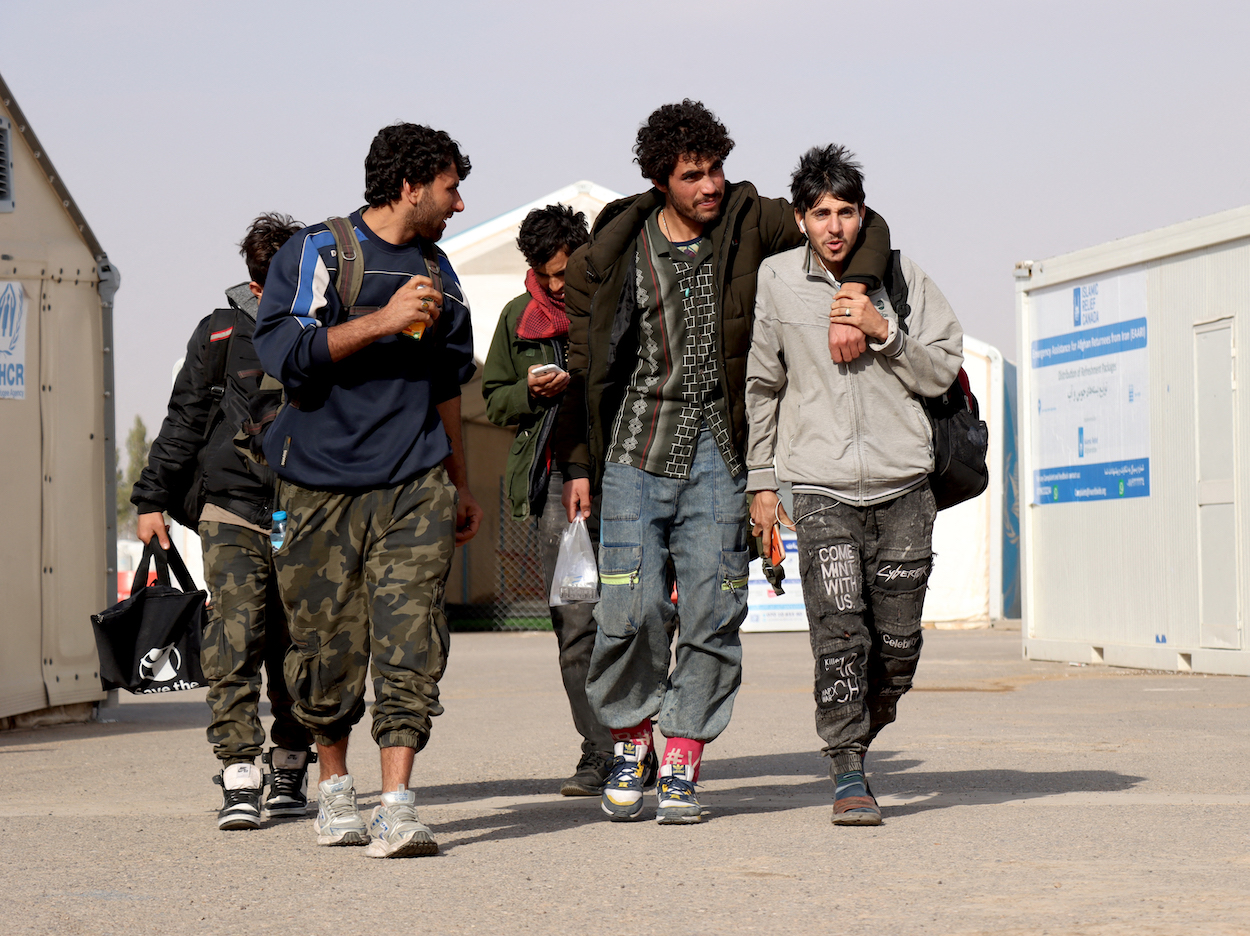
The word ‘return’ suggests something voluntary, even restorative: the closing of a long chapter of exile and the beginning of a new one at home. That is not what is happening on Afghanistan’s borders. We are witnessing a mass expulsion.
Three million Afghans have been pushed out of Iran and Pakistan over the past year, and 150,000 alone in the past six weeks, according to the UN. This is while Afghanistan’s population has risen 12 per cent from 40 million in 2023. These people are being deposited into a country that lacks the economic capacity, institutional infrastructure, and political conditions to absorb them.
Pakistan’s expulsions are piling into the east of Afghanistan via Torkham and the Jalalabad corridor; Iran’s pushback is hitting the west through Islam Qala and Nimroz, swelling Herat first, and then feeding onward movement towards Kabul.

The result of this is that housing has become scarce and rapidly unaffordable, and what work exists is irregular, informal, and insufficient, forcing families into forms of survival that are often extreme: distress sales of assets, mounting debt, and in some cases the selling of children or even organs.
The Taliban, for their part, have offered the usual responses: land allocation schemes, appeals for international assistance, complaints about sanctions, but these do little to address the structural constraints under which the country operates.
Afghanistan is attempting to absorb millions while simultaneously excluding women from most forms of work and education. It is a moral failure and an economic impossibility. A state cannot expand its population so rapidly while deliberately shrinking its productive base.
The consequences are visible. While headline growth figures have edged up, GDP per capita has in fact fallen by around 4 per cent. Afghanistan’s per capita income is now more than a hundred times lower than that of the United Kingdom.
For many of those being ‘returned’, Afghanistan is not even a place they meaningfully recognise as home. Large numbers were born and raised in Pakistan or Iran, educated there, and integrated, however imperfectly, into those societies.
This is a rupture most affecting women and girls. A girl attending school in Pakistan one week may find herself excluded from education the next. A woman who worked, even informally, is suddenly confined to the margins of an economy that no longer has space for her.
It is here that the consequences extend beyond Afghanistan itself. There remains a persistent assumption in migration policy that movement can be resolved through return, that by tightening borders and increasing deportations, the flow will eventually stop. It will not.
When people are pushed into conditions where livelihoods are scarce and futures constrained, movement becomes not a choice but a necessity. Officials have already warned that many of those now arriving in Afghanistan will, within months, attempt to leave again, retracing routes through Iran and Turkey, and triggering another exodus to the West.
Others, faced with the absence of viable work, may turn to alternative sources of income, including those offered by violent armed groups operating within the country.




Comments