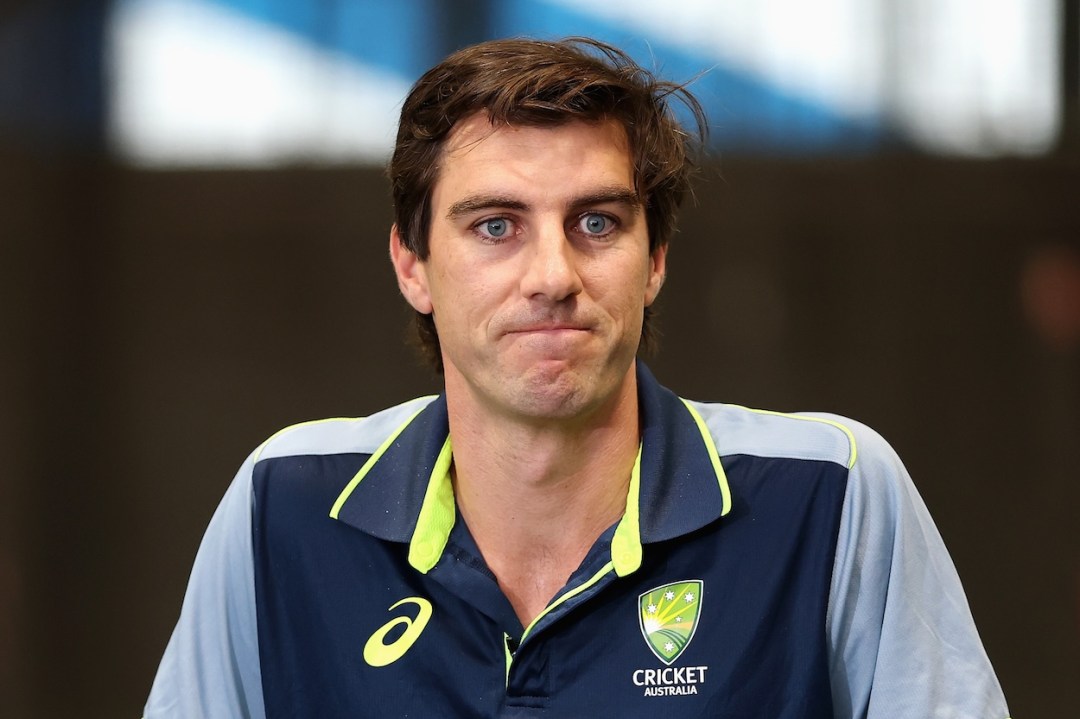
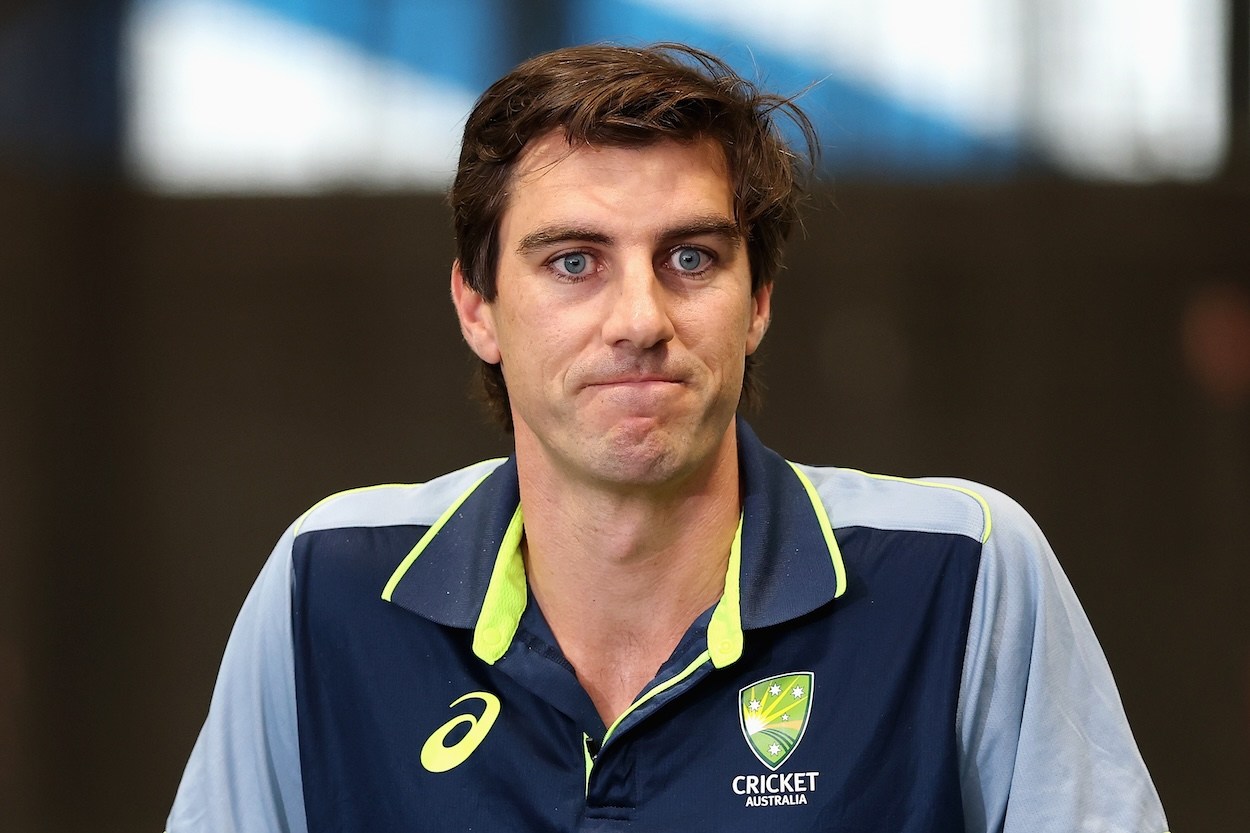
Really, Pat? If there ever was a player who would give it to you straight, it is surely Australia’s Captain Sensible. Everything about Pat Cummins and his 15-year international career has suggested a guy with his head on straight. With his coiffed hair, broad shoulders and progressive views, he has proven a confounding figure for English cricket fans: an Australian it was impossible to dislike. However, his repeated denials about his knowledge of sandpapergate, Australian cricket’s ongoing crisis, are stretching credulity.

They are also a jarring fit with the rest of his career, which he has managed with skill and assurance. He had a dream debut as an 18-year-old, taking 6-79 and scoring the winning runs in a game against South Africa. He endured six years out of the team with a series of back injuries, a very long stretch for the next big thing to be waiting to fulfil his talent. But rather than drive himself mad, he balanced rehab with studying for a business degree. Once he had built his body back up, he adapted to survive in Test cricket. His remodelled action rarely blows teams away, but nor does he give batsmen any rest. In his book The Pantheon, cricket journalist Tim Wigmore ranks Cummins as behind only Glenn McGrath among Australian fast bowlers.
Cummins has also ensured that his batting is sufficient for an era that demands its cricketers be multifaceted. He is a respectable and adaptable batsman, capable of blasting at 300 in a T20 and shepherding a run chase in the Ashes. He has cashed in on the IPL – and used it as a testing ground for his captaincy skills – but has always remained Cricket Australia’s top guy. There was a little surprise when he was made Test captain, not because of any personal deficiencies, but because Australia had never previously had a bowler who was so demonstrably a leader. With his status enhanced, Cummins sought to make friends among the US’s emerging cricket and tech networks, one eye already on a life after the baggy green.
As captain, he has sought to rebalance Australian cricket culture, toning down the intimidation of opponents practised under Steve Waugh and Ricky Ponting. His teams are intense and competitive, but they rarely cross the line. And there are few current or historical players who have the confidence and articulacy to deliver his 68-minute impromptu press conference last week, nor many that a governing body would trust with such a high-pressure situation. It was a performance worthy of a career politician.
But how much of it was performance? More than Usman Khawaja’s initial disclosures on sandpapergate in his recent book, it was Cummins’ press conference that spurred other teammates, Chadd Sayers and later Cameron Bancroft, to provide their own versions of events. Reading Bancroft’s 4,000-word opus makes Cummins’ conference problematic. Where previously it was possible to squint and just about see a situation where Khawaja and Cummins’ accounts could co-exist, there is no accommodation with Bancroft, who literally signs off shouting ‘WE ALL KNEW’. The only dissenting voice, he argues, came not from Cummins, but the team’s media manager.
A man who has showed impeccable judgment elsewhere in his career now looks on very shaky ground. His management team somehow responded to Bancroft’s essay with a straight bat, claiming that there was nothing new to address. Cricket Australia has said it will stand by its man, with the implication that it hopes Australian fans will do the same.
In this post-shame world, in which it has become easier for high-profile figures to withstand public scrutiny of their actions, Cummins may just be prepared to ride it out. Australia is, after all, in the middle of a frenzied period of 13 Tests in seven months. But for the first time in his career, Captain Sensible looks evasive. Maybe politics is a good bet after all.





Comments