In the late 1980s, when I had rarely seen the inside of a high-end restaurant, I happened upon one local to me at the time, in Finsbury Park. Jacques – a small, exquisite French gaff named after its chef and owner – was nestled between a newsagent and an ironmonger on a grotty bit of Blackstock Road.

So very French was Jacques himself that he was once overheard (via a kitchen intercom) using the most offensive of four-letter words to describe the English, when someone had complained about the size of the dishes. The restaurant was known for serving up the then-novel concept of ‘nouvelle cuisine.’ Those dishes were indeed tiny. But unlike the tasting menus of today, each had to be ordered individually, and the prices were so steep (particularly when compared to the kebab shop over the road and the Chinese a few doors down) that customers not in possession of deep pockets would leave hungry, possibly calling in at the kebab shop on the way home.
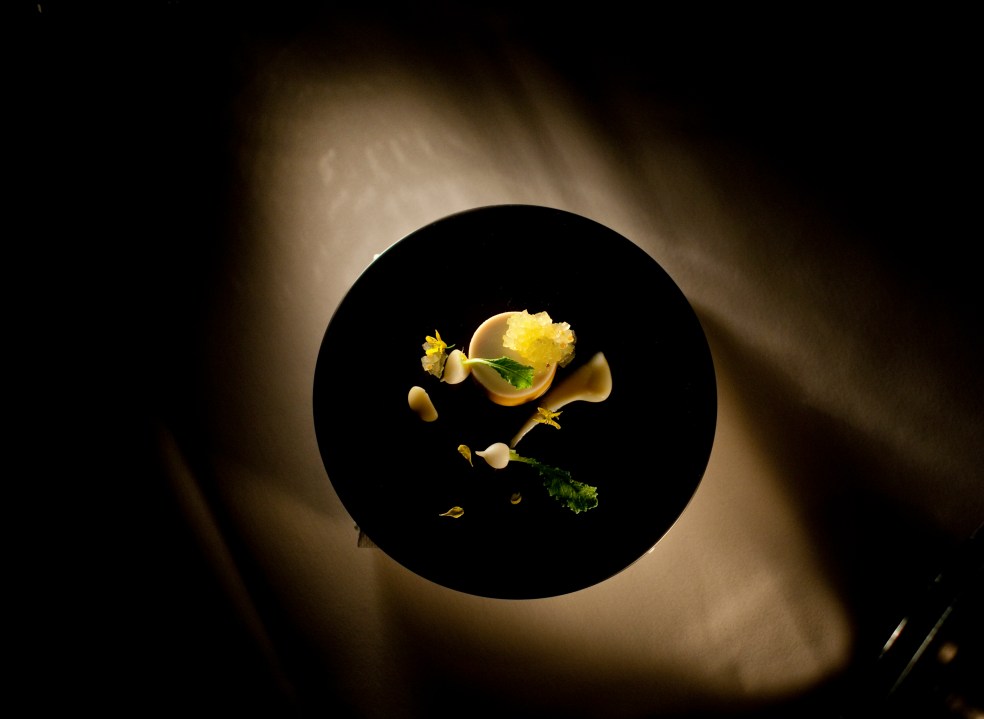
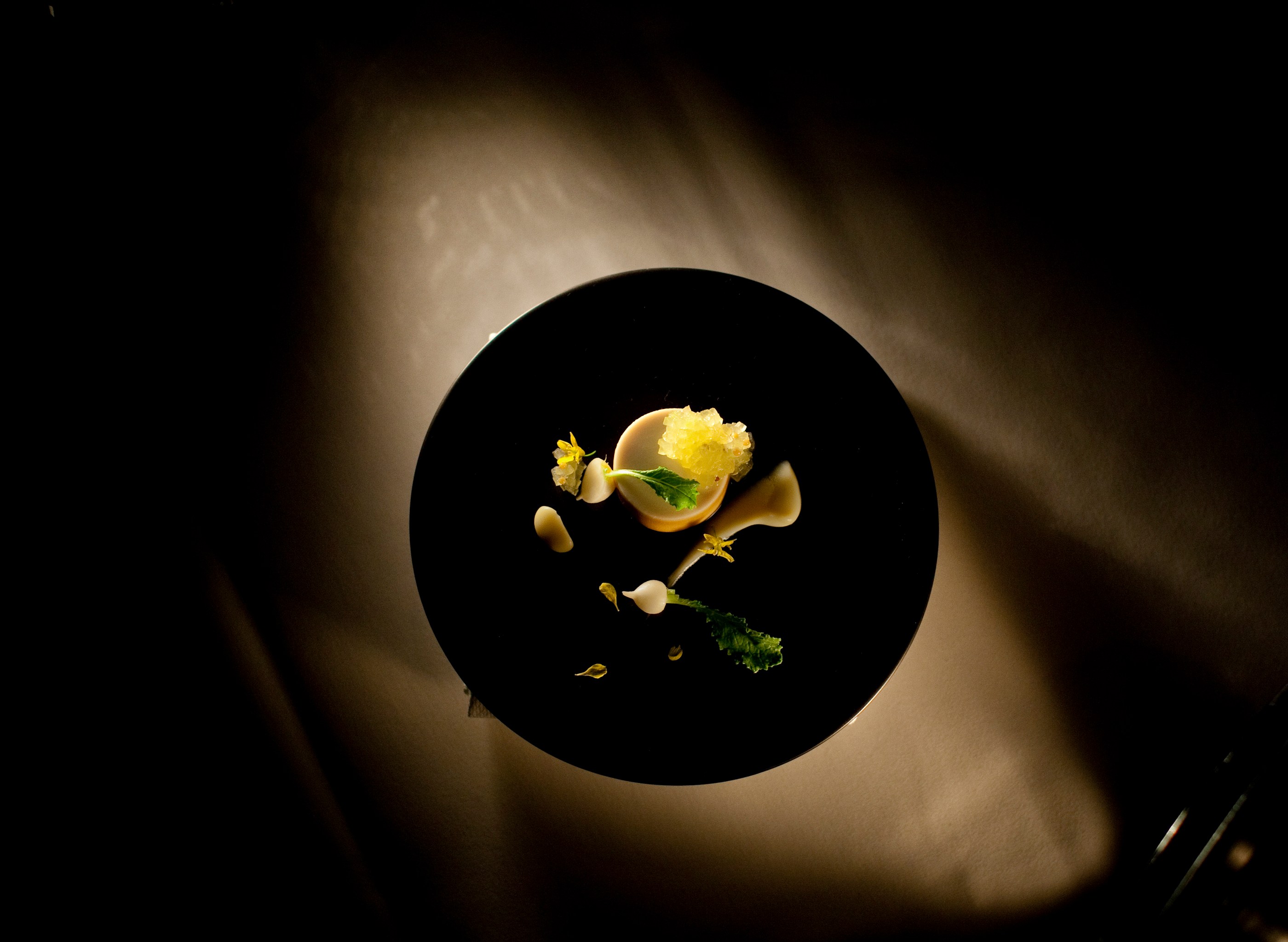
Part of the reason for the rising popularity of tasting menus in the late 1970s was that they allowed the restaurant to present all its top hits one sitting, highlighting the chef’s brilliant cooking and creativity. Another part was that the kitchen knew in advance exactly which dishes it was preparing at which stage, making lots of pre-preparation possible. Even though I have now eaten from some of the finest set menus at Michelin-starred restaurants, I find myself unable to recall a single knockout dish: too many courses are on offer, and the effect is a little bit like eating a variety of canapés at a cocktail party. For me, the magic of a meal is in the planning, and not going blindfold to the table. It feels as if my own preferences matter less than the convenience of the kitchen.
It is tedious when waiting staff are compelled to explain, every time they put down a plate of food with great aplomb, exactly how it is cooked and what the ingredients are. We learn where the hake and its grandmother originate from and what temperature the egg yolk was cooked at. One particularly dull and overpriced example of this, was at a restaurant where the chef had named every dish after a childhood adventure; I could not have been more bored, and can’t recall any of the things I ate.
A restaurant has to be good at every dish it serves, which is why I love a short menu. If it’s the best steak-frites on the planet, and the freshest oysters, I could not be happier. Page after page of dish after dish makes my heart sink. It’s great to change the menu regularly – but save the experimentation and showcasing for pre-dinner drinks. The coyly named ‘nibbles section’ featuring such items as oysters, anchovies on crispbread, cheese puffs, and Perello olives is almost always my favourite part of the menu – but I don’t want to eat such things across 30 courses or several hours of my life.
We learn where the hake and its grandmother originate from
Tasting menus exist partly for the chef to show off, rather than for the diner to enjoy. I don’t like having choice removed (other than being asked if I have an allergy). They also offer chefs an easy way to make a decent amount of dosh while using up all the ingredients in the kitchen that need disposing of. When it’s not up to scratch, you find yourself trapped eating seemingly endless mediocre food, despite knowing by the third dish you’ve had enough.
The worst invention is the wine pairing, because even with very small amounts of wine for each of the numerous courses, you are absolutely trolleyed by the time you get to the lamb. It becomes an endurance test, and there’s a risk of shouting at the waiter: ‘Oh my God, is there more?’ Two or three courses of delicious food are memorable; fifteen simply blur into one.
When eating out with a group, I love meze. Some of the numerous dishes will inevitably fail to tempt, but it’s perfectly fine to ignore the aubergine or spicy sausage in favour of giant beans and tzatziki. In a traditional Cantonese restaurant, as the Lazy Susan comes around, you can give it a spin to avoid the chicken feet and sweet and sour, and no one will think anything of it. Not so with tasting menus, which may be ten a penny but cost a small fortune.





Comments