
France’s under-15s can carry on using social media after a parliamentary ban was struck down by the Republic’s constitutional council on Friday. The ruling is a humiliating blow for Emmanuel Macron, who had championed the legislation from the beginning. It had won the backing of both parliament and the Senate last month but the Council had other ideas. In rejecting the Bill, France’s highest constitutional authority judged that it ‘places a disproportionate restriction on freedom of expression and communication’.
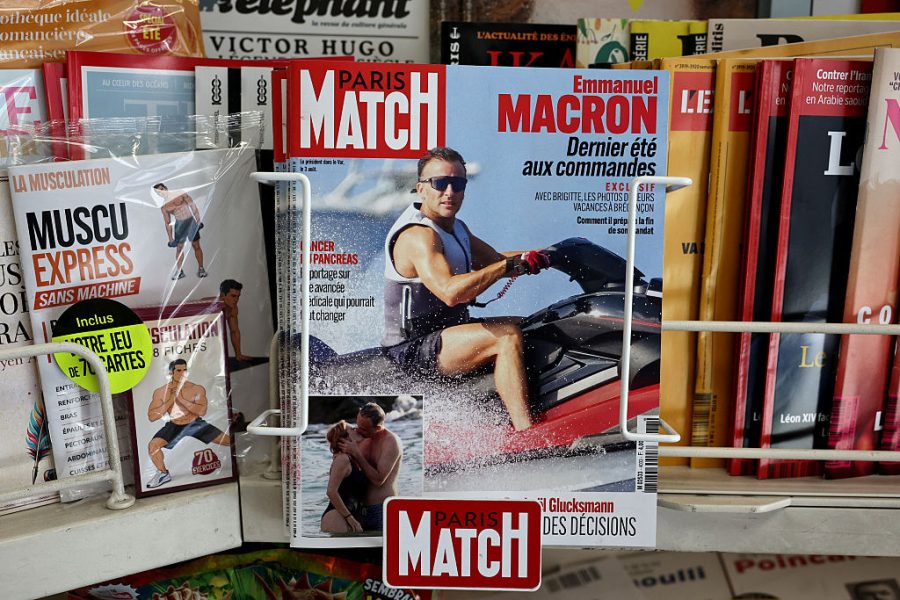
Macron heard the news as he enjoyed the surf at his seaside retreat on the Riveria, a break that has already provoked the ire of many. Should the president be gallivanting on a jet-ski when so much of the country is ravaged by destructive wildfires? An Elysee spokesperson said that the president remains determined to push through the ban and he has ordered his prime minister to redraft a legally sound text ‘as a matter of urgency’.
Macron’s fin de règne is becoming an embarrassment for the president and for the Republic
This is easier said than done. One constitutional expert, Benjamin Morel, told Le Figaro that the ruling ‘leaves the government very little room for manoeuvre’. France’s lawmakers are constrained by the EU’s own Digital Services Act with which they must comply. Paris was able to set a minimum age for social media use but that was before the intervention of the constitutional council.
Time is also against Macron. He leaves office at the end of April next year, and the priority of his government when parliament reconvenes next month is the budget. Furthermore, campaigning for next year’s presidential and parliamentary elections will begin in earnest in September and Macron’s opponents will turn the social media ban into a campaign issue. According to Morel, the risk is ‘that we will end up with a watered-down text that falls short of expectations’.
That is how history will judge Emmanuel Macron: the president who fell short of expectations. Not long after Macron was elected to office in May 2017, the Economist magazine adorned its cover with a photo of Macron walking on water. A German broadcaster described him as the ‘Messiah’. Here was the liberal antidote to the horrors of Brexit and Trump.
Macron encouraged the hype. In a speech in July 2017 he promised a ‘profound transformation’ of French politics in order to rediscover the country’s ‘conquering spirit’.
There has been no transformation. Last week, figures disclosed another rise in unemployment – now up to 8.3 per cent – while public debt continues to soar. In the first six months of this year, France paid €34.5 billion (£29.5 billion) in interest payments to its creditors, an increase of 19 per cent. Economists fear that the country is trapped in a cycle of sluggish growth and rising expensive debt, which could spark a ‘runaway spiral’.
Violent crime is also galloping out of control. There has been a spate of shootings over the summer – in towns and cities across France – as drug gangs fight for dominance in the lucrative market. Last week a spokesman for a police union warned that ‘we no longer have the manpower to tackle violence and drug trafficking in France’.
Things are hardly any better internationally. Last week, disciplinary proceedings were initiated in Paris against France’s ambassador to the Central African Republic. The 65-year-old Bruno Foucher has been accused of misconduct in office after allegations he invited dozens of young women into his official residence. He has admitted having sexual relations with two of the women.
Such sordid stories increase the public’s perception that France is a country lacking any form of leadership. The government has been a cobbled-together coalition since the summer of 2024 and parliament has become a rowdy circus. On the rare occasions when it does pass a piece of legislation, it is thrown out by the constitutional council.
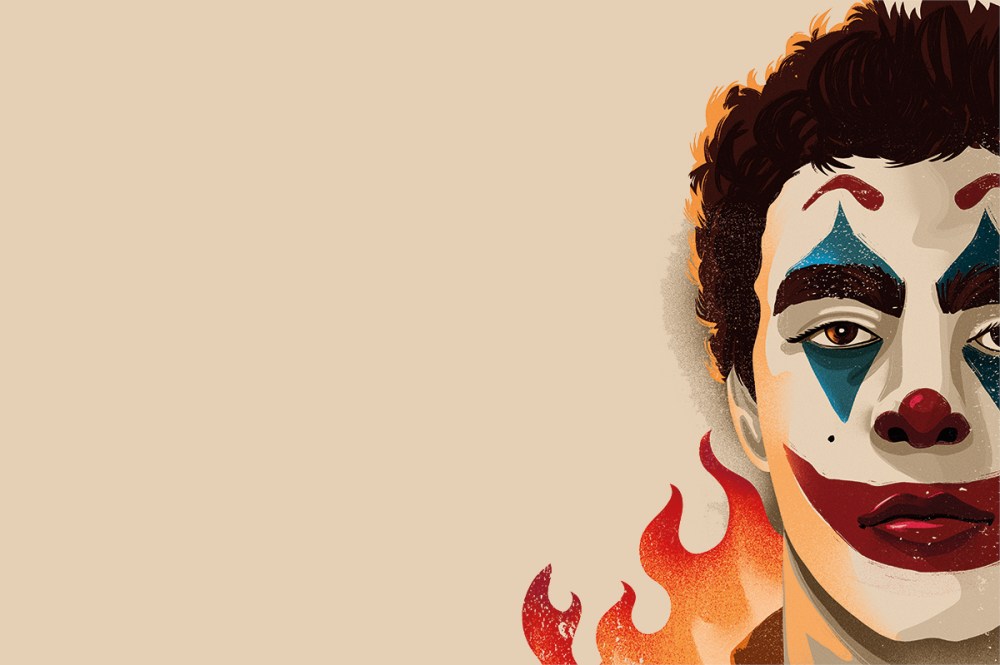
Macron’s fin de règne is becoming an embarrassment for the president and for the Republic. The man once dubbed ‘Jupiter’ has become a joke on a jet-ski.


Comments