When I was in my teens and twenties, older people told me that they were exhausted just watching how I lived my life. I careered through my youth in a fog of football matches, protest marches, pubs, clubs and raves. I treated sleep as an inconvenience and I’d increasingly arrive home at daylight, not quite sure how the evening ended or where that bruise came from.

‘Wait until you’re our age,’ oldies would say. ‘You’ll slow down too. Then it’ll be your turn to look at the young with bewilderment.’
Well, I did the slowing down part. After we were all locked down in 2020, I never fully unlocked again. I still go out from time to time when it seems impossible to avoid it but given the choice I’ll happily spend an evening pottering about at home in clothes that could generously be described as ‘post-sexual’. I gave up alcohol years ago.
But I’m not at all bewildered by younger people because their idea of a good time sounds wonderfully un-exhausting. Every newspaper now informs us that Generation Z bears little resemblance to my own generation at that age. The latest story is that birdwatching is the second fastest growing hobby for Gen Z. Birdwatching! Almost 750,000 Gen Zers (16 to 29-year-olds) in Britain regularly enjoy watching birds, a 1,088 per cent increase since 2018, according to the RSPB.
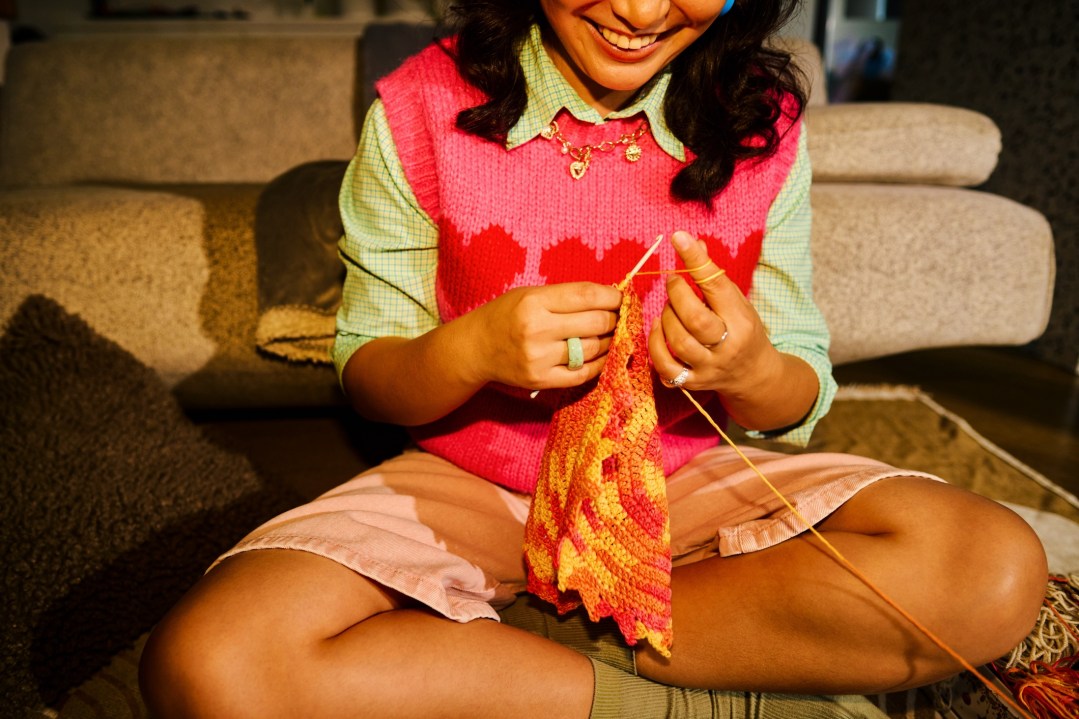
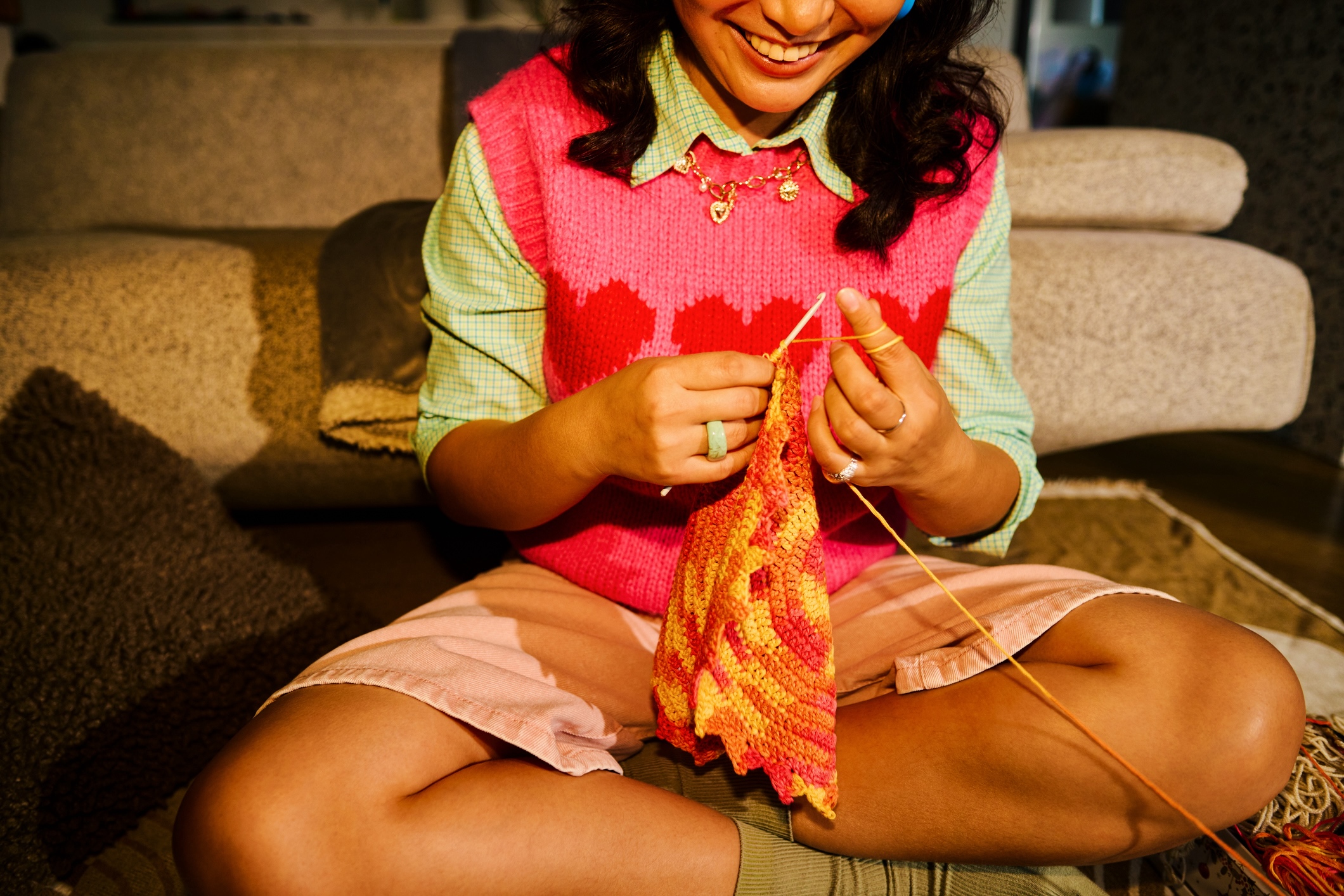
This twitching is no outlier. By all accounts Gen Zers are embracing what are coyly described as ‘cosy’ or analogue hobbies: crochet, knitting, pottery, gardening, baking, scrapbooking, puzzle-solving. Book clubs are thriving. Vinyl collecting is fashionable again. Thrift shopping has become a must.
When I was their age, alcohol signified glamour, sophistication and adulthood. We regarded drinking ourselves into complete ruin as romantic, as though vomiting at the bus stop made you the lost poet laureate of provincial hedonism. In the 1990s there were genuinely young men who cultivated beer bellies with pride, seeing them as proof of masculinity, maturity and a life brilliantly squandered.
Nothing kills the romance of debauchery quite like seeing yourself tagged in high definition looking like a collapsed gazebo outside a kebab shop
But Gen Z seem unconvinced by this undignified spectacle. Perhaps it’s because every drunken catastrophe can now be immortalised online within seconds. Nothing kills the romance of debauchery quite like seeing yourself tagged in high definition looking like a collapsed gazebo outside a kebab shop. I hear that even when they do go to the pub, they form sensible queues, rather than mobbing the bar.
Naturally, one should take these trend pieces with a skip-full of salt. There are still plenty of young people tearing around behaving exactly as the youth always have. Human nature hasn’t changed that much. But there does seem to be a broader cultural shift towards hobbies and lifestyles once associated with grandparents rather than youth tribes. They even have a name for it: ‘grannycore’.
Even Gen Z fashion has a touch of oldie surrender. Clothes are oversized, slouchy and unrepentantly comfortable. Baggy jeans, giant hoodies, ultra-wide trousers – garments where the priority looks to be maintaining a steady circulation. It’s as though both Gen Z and Gen X simultaneously awoke one morning and decided that we are all now called Maureen.
For them, part of this is probably forced by economics. Younger people now face sky-high housing costs and uncertain careers. I suppose staying home is cheaper and less scary. Craft costs less than clubbing. Podcasts are cheaper than pints.
But I suspect something deeper is happening too. Younger generations seem less seduced by performative chaos. They appear more conscious of burnout, mental health and the exhausting emptiness of constantly proving you’re a party animal. Comfort, balance and authenticity carry increasing currency. That mindset resonates for older generations, even if we’ve arrived at it via a different and much longer path.
For so long, generations defined themselves in opposition to one another. The old accused the young of recklessness; the young accused the old of boredom. Yet now there’s this curious overlap. In an age where everything else feels bitterly divided, I find that oddly comforting.





Comments