
‘WE GOT HIM!’ Donald Trump’s announcement was immediate and emphatic. The operation was ‘one of the most daring Search and Rescue Operations in US History,’ he said. Two American aircrew recovered from deep inside Iran, in separate missions, without a single US casualty. That was the headline. America has not lost control of the ongoing war with Iran.
Cut through the triumphant tone of the President’s post, however, and there is truth. The Islamic Republic’s only tangible achievement in this incident was the original downing of an American aircraft. But in war, such things happen. Aircraft are tools, they fail, they are lost, they are replaced. The outcome that would have mattered, the capture of an American crew member, never materialised, and that absence outweighs everything else in this episode. America did whatever it took to ensure it stayed on top.
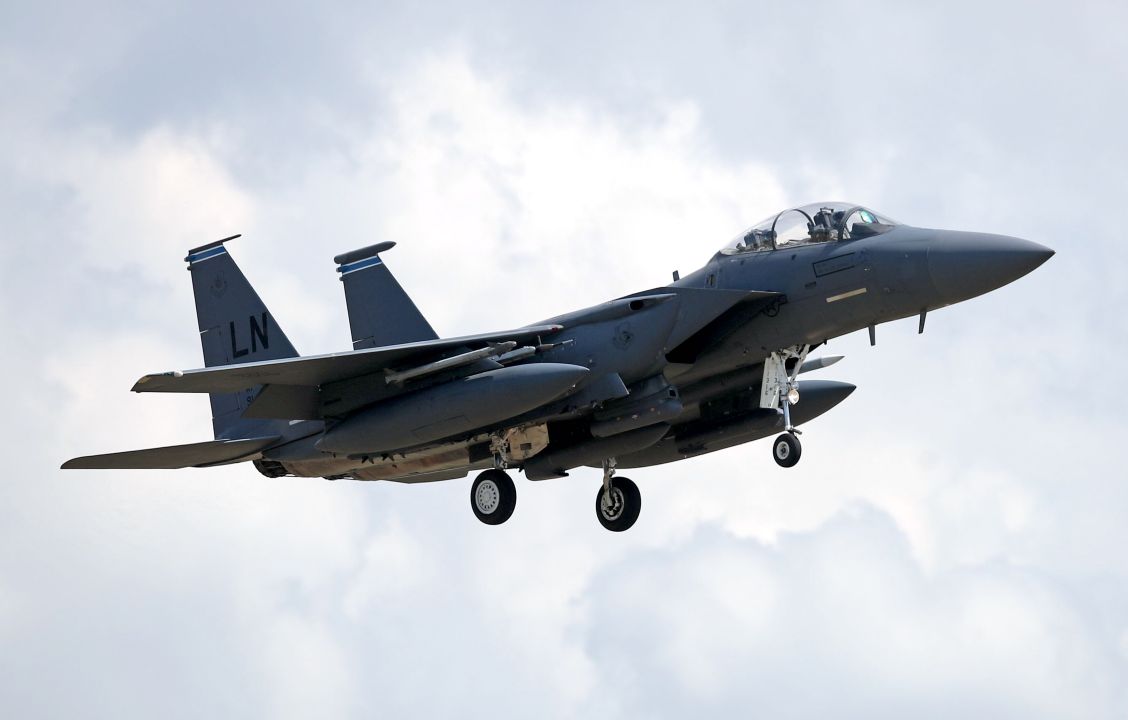
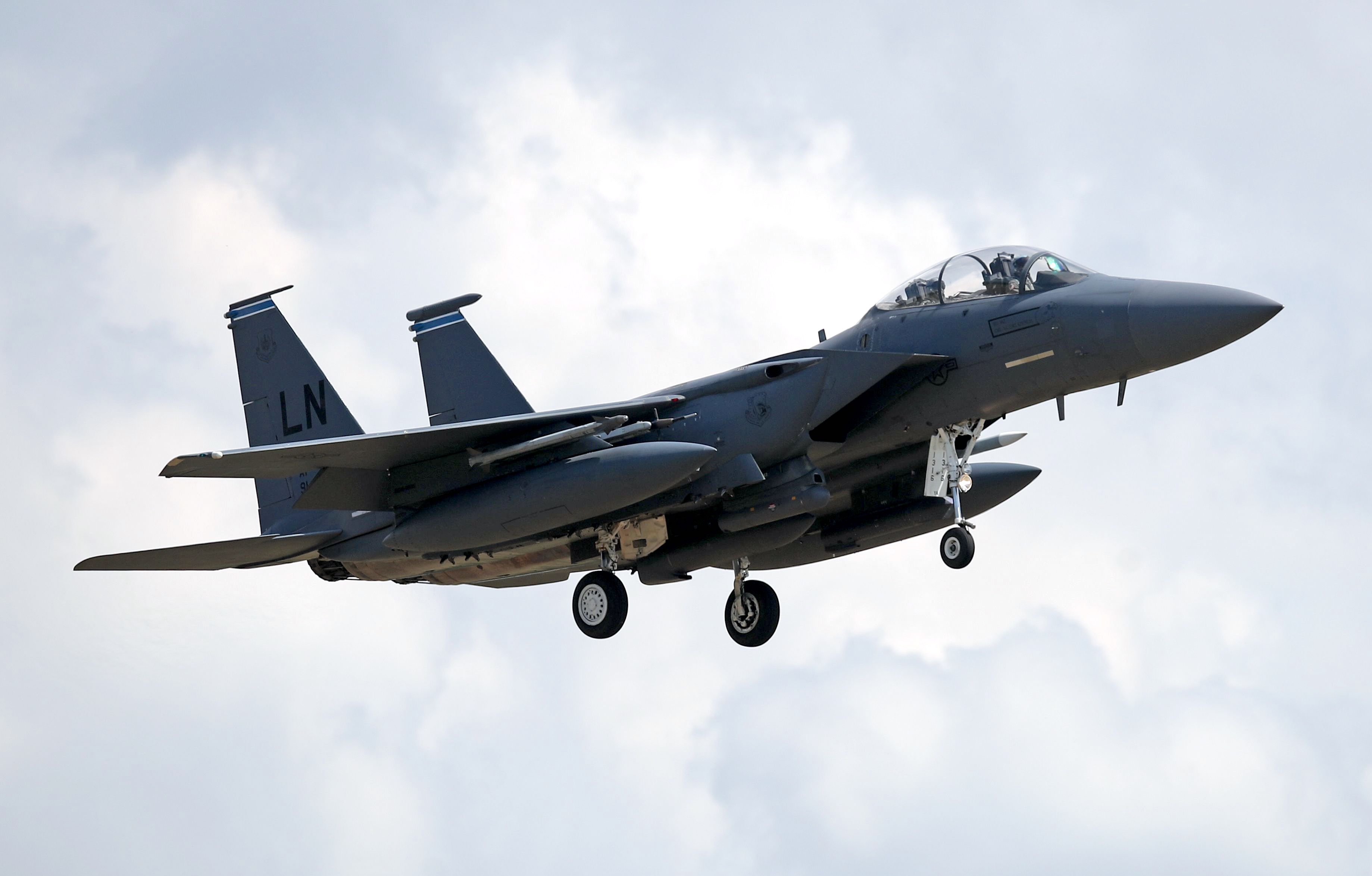
The sequence began on Thursday night, when a US Air Force F-15E Strike Eagle went down over southwestern Iran. Both crew members ejected safely. One was recovered within hours. The second, a weapons systems officer, was not. He remained on the ground for more than a day as Iranian forces began closing in. From the moment of ejection, the situation narrowed into a race against time.
The officer moved quickly away from the crash site, using survival, evasion, resistance and escape training as intended. He climbed to higher ground, activated his emergency beacon, and maintained intermittent communication with US forces. He bought himself time, but the pressure was building.
Iranian forces responded with speed and scale. Units from the Islamic Revolutionary Guard Corps and Basij formations moved towards the area. At the same time, a more chaotic layer of mobilisation emerged. Reports from the ground indicate that civilians were encouraged by the regime to join the search, with rumours spread about sightings and financial rewards offered for locating the downed American.
By Friday morning, the area around Dehdasht was under strain. Roads filled with people moving towards the same location. Some were organised, many were not. The search expanded, but it also became less controlled. Individuals were being drawn into an active combat zone with limited understanding of the risks. The United States responded by expanding the operation into a large, layered effort, combining intelligence assets, airpower and special operations forces.
Aircraft struck Iranian convoys and groups moving towards the site, dropping bombs and opening fire to hold them back as rescue teams closed in. Reports from the ground describe heavy engagement, including the presence of A-10 aircraft targeting those identified as part of the search effort.
The effect was immediate and severe. Dozens of those attempting to reach the area were reportedly killed. Ambulances arrived in large numbers. Outside a hospital in Dehdasht, families gathered, waiting for news of relatives who had gone out to search and had not returned.
Despite the scale of the Iranian response, the central objective remained out of reach. Forces were closing in, but not fast enough, and not with enough precision. The US airman moved to an elevated ridge, hid, continued to transmit, and remained just beyond their reach.
A firefight broke out as American forces moved into the area. They engaged Iranians and secured the officer. He was injured but alive. He was extracted and flown out to Kuwait along with the recovery teams.
Even at that point, the operation carried risk and resulted in Hollywood-like drama. Two US transport aircraft became stranded at a remote base inside Iran. Commanders responded by flying in replacement aircraft and destroying the disabled planes to prevent them from being captured. All personnel were then successfully withdrawn.
From an operational perspective, the conclusion is clear: the United States recovered both crew members from deep inside hostile territory, in separate missions, without suffering casualties.
The balance of the war remains unchanged
Prisoners of war carry political weight, strategic leverage and long-term consequences. Here, despite time, proximity, and a large-scale search effort, Iran did not secure that outcome. The balance of the war, therefore, remains unchanged. The United States and Israel continue to hold a substantial advantage, both in the economic impact of their strikes and in the overall exchange of damage versus benefit. The tempo of operations, the number of sorties, and the cumulative pressure applied all continue to favour them. The loss of one or several aircraft does not shift that equation.
There is also a cost on the Iranian side that is harder to ignore. The mobilisation of civilians, encouraged by financial incentives and directed by rumour, brought large numbers of people into a live combat environment. Many were killed or injured as US strikes hit those moving towards the target area. That outcome was a direct consequence of how the search was conducted. Once again, the Islamic Republic regime displayed its disregard for the lives of its own civilians, preferring to sacrifice them for its own survival. It has never been shy of killing its own for the sake of the regime’s survival or even just some marginal strategic advantage.
The rescue itself was complex, and it was executed effectively. But its significance is not just in what was achieved. It is in what was not.





Comments