Likud

The inevitable return of Bibi Netanyahu

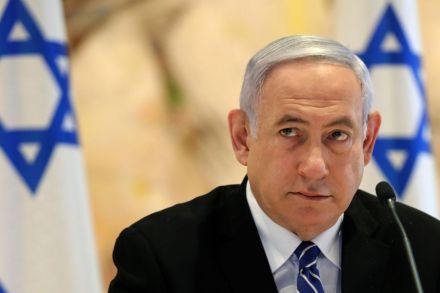
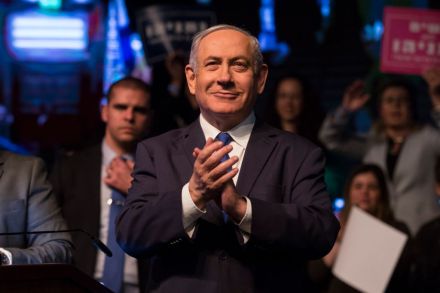
With about 90 percent of the vote counted as of this morning, former Israeli prime minister Benjamin "Bibi" Netanyahu appears set to return to power in a stunning comeback. Having lost power in May 2021, and facing mounting legal challenges, his political career seemed over. Now, with his right-wing alliance set to secure a majority — likely between 61 and 65 seats in the 120-seat Knesset — his return to the premiership seems almost inevitable. The party he leads, Likud, is likely to receive around 32 seats. While Bibi may once again lead his country, his coalition will be different this time around. The far-right Religious Zionist Party (RZP), led by firebrands Betzalel Smoltrich and Itamar Ben Gvir, will have around 14 seats, up from seven before the election.
Netanyahu’s departure would be good news for Israel

From our UK edition

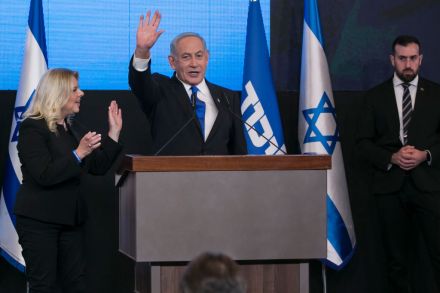
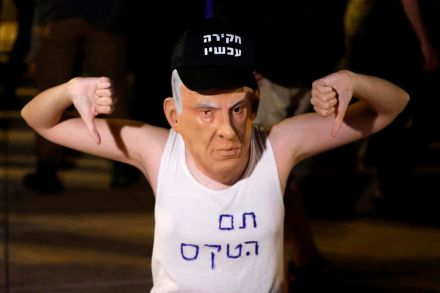
Time is running out for Bibi Netanyahu. In the next couple of days, the fate of Israel’s next government will be decided. If opposition parties manage to reach a deal tonight, it will mean that Bibi and the Likud will no longer be in power – for the first time in twelve years. Four rounds of elections made two things clear: that about two-thirds of the public votes for right-wing parties; and that Bibi has become the Israeli's right’s biggest problem. A dozen years in power has made Netanyahu arrogant, entitled and hated by a large portion of the public, including right-wing voters. This has been made worse by deep resentment towards his wife Sarah and son, Yair, both of whom have meddled in politics. This cost Likud votes, and may now cost it the government.

King Bibi’s pandemic problem

From our UK edition

‘They are S-C-A-R-E-D’. So said Binyamin Netanyahu in a famous 1999 election campaign speech, referring to the media. Now he is the one who is scared. The political mastermind who has been Prime Minister for the past eleven years stands to lose his crown. Israel's political crisis of 2019-2020 saw three general elections without producing a clear winner. Eventually, asserting a need for national unity to combat the pandemic, Bibi masterfully managed to form a coalition under his leadership while dividing the main opposition party, Blue and White. Under the rotation agreement, Bibi is to step down after two years and be replaced by Blue and White leader, Benny Gantz.

Why Benjamin Netanyahu has outlasted all his political rivals

From our UK edition

Israel’s Prime Minister Benjamin Netanyahu has signed a coalition agreement, after a year of uncertainty and three elections, to create a government that should keep him in power for at least another year and a half. If all goes well with his corruption trial, set to begin on May 24 after a postponement due to the Covid-19 pandemic, he will have outwitted his opponents once again and remained in office more than a decade. How does Israel’s leader keep going when his own party never gets more than 35 seats in the country’s 120-member Knesset and he seems to have alienated parties on the left, right and centre? Netanyahu has outlasted his rivals by playing them off against each other.

What are Netanyahu’s chances in the Israeli elections?

On Sunday, Beto O’Rourke claimed that Israeli Prime Minister Benjamin Netanyahu doesn’t ‘represent the true will of the Israeli people.’ Israel is a democracy in which every citizen has the right to vote, a fact of international trivia apparently lost on O’Rourke. Although it’s easy to criticize Bibi for many of his recent remarks — and for his recent decision to welcome the racist Jewish Power party into the mainstream, it’s silly to argue that he doesn’t represent the true will of the Israeli people. The Israeli people have spoken for more than a decade: they like to have Bibi at the helm. It’s possible the Israeli people will have something new to say in their election today.

israeli elections