Trevor Phillips

Trevor Phillips is a former chairman of the Equality and Human Rights Commission.

‘Bring back shame!’ – is Britain’s social contract broken? | with Trevor Phillips

45 min listen

In this week’s podcast, William Moore is joined by The Spectator’s economics editor Michael Simmons, assistant editor Isabel Hardman and Times columnist and Sky News presenter Trevor Phillips. The panel unpacks Mary Wakefield’s cover story on the rise of shoplifting – and what it reveals about’ shameless Britain’. After a Morrisons manager was reportedly sacked for stopping a thief, they ask whether petty crime, fare-dodging and everyday rule-breaking are eroding the social contract.Also on the episode: Tim Shipman’s latest piece on Labour after Starmer.

‘Bring back shame!’ – is Britain’s social contract broken? | with Trevor Philips

Migration mystery, Ipso’s trans muddle & are you a ‘trad dad’?

46 min listen

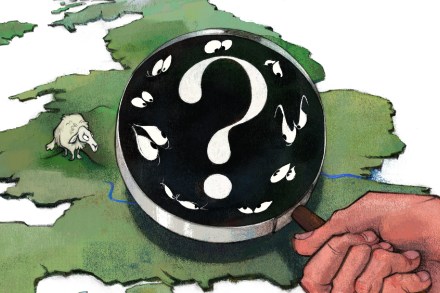
This week: why don’t we know how many people are in Britain?How many people live in the UK? It’s a straightforward question, yet the answer eludes some of the nation’s brightest statistical minds, writes Sam Bidwell for the cover this week. Whenever official figures are tested against real-world data, the population is almost always undercounted. For example, in England alone, nearly 64 million patients are registered with GP practices – higher than the Office for National Statistics (ONS)'s estimated population of 58 million. Sam argues there are serious consequences for our society at large, including for tax, housing and our utilities. Who is to blame for this data deficiency? And why is Britain so bad at tackling illegal migration?

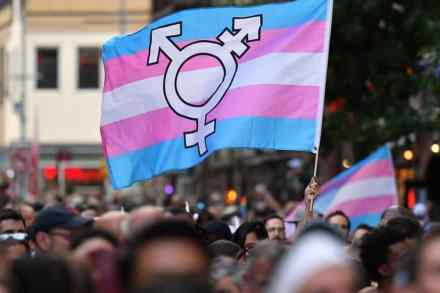
Stonewall’s disgraceful attacks on the EHRC

Whatever happened to the brilliant gay rights movement led by people like Ian McKellen, Simon Fanshawe, Matthew Parris and Angela Mason? For people of my baby boomer generation, one of the miracles of the late 20th century was the speed at which public prejudices against lesbian and gay people evaporated. Those prejudices haven’t disappeared; but it is now accepted as common sense that LGBTQ+ people should be treated equally. When I started work that kind of statement seemed like generations away.

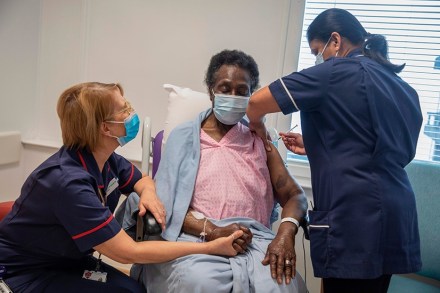
Minority groups should ignore the anti-vax charlatans

My great-great-grandmother, born on a Barbadian plantation and transported to what was British Guiana in the 19th century, gave rise to a tribe that has spread across the globe. Weirdly, Covid has brought us together (via Zoom) in a way that used to be reserved for weddings and funerals. My New Yorker nephew found a time of day that could accommodate the Californians, the Canadians and the English rump in London, Cambridge and Nottingham. Harlem’s lights glimmered from another nephew’s screen, while the Florida gang kept their windows shut just in case the neighbours not so far away in Mar-a-Lago decided to drop by. Sadly, someone forgot to let the Trinis, the Bajans and the Welsh know about the meet-up, and it was way too early for Jakarta.

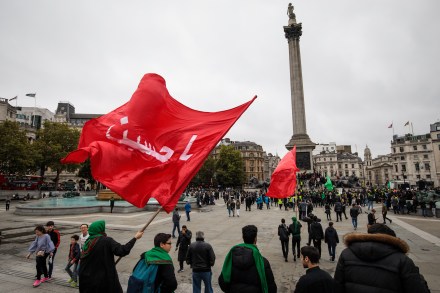
The notion of ‘Islamophobia’ is being used to stifle honest debate

Next year I will begin my fifth decade as a working journalist. As a writer, as an executive — and now as the chair of Index on Censorship — I have always tried to encourage honest, thorough and professional reporting and analysis of the UK’s ethnic and religious minority communities. Unless all our citizens share in a common understanding of our nation, the prospect of an integrated society will remain a distant dream. The key words here are ‘honest’ and ‘thorough’. The tradition of British journalism eschews propaganda and partisanship.

Diary – 26 April 2008

It’s Powell week. I am due to speak at the site of his infamous ‘rivers of blood’ speech on Sunday, a rather clever idea dreamed up by my colleagues at the Equality and Human Rights Commission, Kamal Ahmed and Patrick Diamond. I must admit I had initial reservations about the proposal. After all, I am a serious public official, and among our breed the idea of speaking in plain English to the Great British Public about things that actually bother them has never found much favour. However, I can see the value of trying to kick-start a new debate about immigration. We are no longer the country of colonial immigration into which I was born. The real migration issue today is economic — how we ride the tidal wave of talented people which is sweeping across the globe.