Tom Goodenough

Tom Goodenough

Tom Goodenough is online editor of The Spectator.

What the papers say: Are tech companies doing enough to tackle terror?

Amber Rudd has vowed to ‘call time’ on tech companies who are giving terrorists ‘a place to hide’. The Home Secretary's comments come after it emerged that Westminster attacker Khalid Masood was sending encrypted message on WhatsApp in the lead-up to the attack; Rudd is ‘right to read them the Riot Act’, says the Sun, which ups the criticism of WhatsApp in its editorial this morning. The paper says that if tech companies don’t start behaving then ‘there will be no alternative’ but for the Government to bring in new legislation to force them to co-operate with the security services.
What the papers say: How can we prevent a repeat of the Westminster attack?

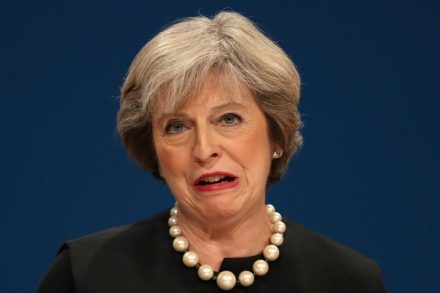
Theresa May told MPs yesterday that Britain will not waver in the face of terrorism. She is widely praised for her emotional address in the Commons, in which she said simply: 'We are not afraid'. But still the question lingers: what can we do to prevent a repeat of Wednesday’s attack? Theresa May hit precisely the right note in her address to MPs, says the Daily Telegraph, which compares the Prime Minister’s response to that of Margaret Thatcher’s after the Brighton bombing in 1984. Yet while her message is an important one, there are ‘inevitable questions’.

Isis claim responsibility for Westminster terror attack

Islamic State has claimed responsibility for yesterday's deadly terror attack in Westminster. Isis described the man involved - a British-born jihadist who has been named by police as Khalid Masood - as a 'soldier of Islamic State'. The terror group released a short statement, saying: 'The attacker yesterday in front of the British Parliament in London was a solider of the Islamic State, executing the operation in response to calls to target citizens of coalition nations'. The statement from Isis was published by the Amaq News Agency, a propaganda outlet with links to the organisation. Despite claiming responsibility for the attack, however, Isis released no further details about the man involved.

Westminster terror attack: Today’s newspaper front pages

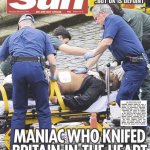
Five people are now confirmed to have died in yesterday’s terror attack in Westminster and police have arrested seven people in connection with the incident. Here’s how the newspaper editorials and front pages have covered the atrocity: The Sun says the terrorists are wrong if they think that yesterday’s attack means ‘we will be cowed’. The nation will mourn those killed but ‘normal life goes on’. But the Sun says that we must now rethink how to tackle the terror threat. Yesterday’s attacker ‘could barely have picked a more ­fortified place’, the paper points out. But ‘imagine how much greater the carnage might have been elsewhere’.

Westminster attack: Terrorist named by police

A terrorist who killed four people and injured forty others in yesterday's 'depraved' attack in Westminster has been named by police. Khalid Masood, 52, who was born in Kent and is believed to have been living in the West Midlands, was a career criminal with a series of previous convictions. Scotland Yard named the Westminster attacker hours after Theresa May told MPs that the man responsible had previously been investigated by MI5. In her statement to the Commons, the PM also paid tribute to the dead police officer, PC Keith Palmer, who she said was 'every inch a hero'. Aysha Frade, 43, who worked at a college in Westminster, Kurt Cochran, an American tourist, and 75-year-old Leslie Rhodes, from Streatham in south London, were also named among the dead.

What the papers say: Why we shouldn’t mourn Martin McGuinness

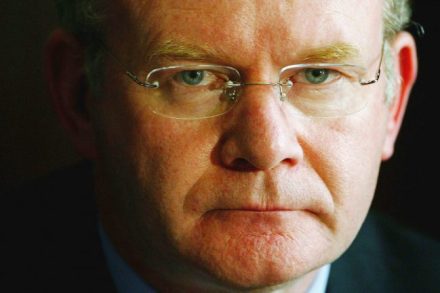
Martin McGuinness’s death has sparked a wave of fawning and fury in the obituaries. So: ‘man of war’, peacemaker or something in between? The Sun’s verdict is clear: the ‘pious praise’ for McGuinness is nothing short of ‘revolting’. It’s true, the paper says, that the ‘second part’ of his life differed from his early days. And it’s also the case that McGuinness ‘risked his own neck’ to help bring peace in the end. But to hear the likes of Tony Blair play down McGuinness's role as an IRA commander ‘turns the stomach’. McGuinness might have fancied himself as a ‘folk hero’, but there was ‘nothing noble about this “struggle’, says the Sun.

What the papers say: Jean-Claude Juncker’s ‘deluded’ Brexit punishment talk

Finally, we have a date: March 29th will see Theresa May trigger Article 50 and set the Brexit train in motion. After all the hype, what can we expect? The Sun says it hopes that the European Parliament will handle things better than its ‘muppet of a President’. Jean-Claude Juncker, who the paper says is a man who sees his bottle as ‘completely empty’ rather than half-full, has surpassed himself with his latest ‘belligerent Brexit ­outburst’, according to the paper. Juncker, who suggested that Britain’s Brexit punishment will put other countries off from jumping ship, clearly thinks he can use ‘fear’ to ‘whip millions of disenchanted voters across Europe into line’, says the Sun.

Revealed: the 63 Labour seats the Tories could snatch at the next election

Theresa May has once again ruled out a snap general election but that doesn’t mean the temptation to hold one will go away. Today’s ICM poll shows why: the Tories, on 45 per cent, have a 19-point lead over Labour. This pushes the Government’s poll lead up by three points following a fortnight dominated by Philip Hammond’s Budget debacle, his subsequent u-turn over hiking national insurance rates and Theresa May coming under pressure from the SNP. With Jeremy Corbyn in charge of the Labour party, the usual rules that a government would be punished for a bungled budget need not apply.

Theresa May will trigger Article 50 next week

The wait is over. Almost. Theresa May will trigger Article 50 - the first formal step in Britain's departure from the EU - on March 29th, Downing Street has confirmed. Brexit Secretary David Davis said: ‘Last June, the people of the UK made the historic decision to leave the EU. Next Wednesday, the Government will deliver on that decision and formally start the process by triggering Article 50. We are on the threshold of the most important negotiation for this country for a generation.’ The announcement means that the Prime Minister will make good on the pledge she made at the Tory party conference to kick start the process of Brexit before April 1. Next week's announcement will undoubtedly be significant in terms of symbolism.

What the papers say: Why Tony Blair is still wrong about Brexit

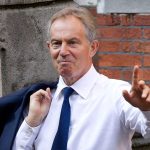
Why did 17.4m people vote for Brexit? A long list of reasons have been put forward but Tony Blair thinks he has the definitive answer: ‘authoritarian populism’. The Sun is not impressed; the paper says that it’s a sorry spectacle to see former Prime Ministers ‘slinging insults’ at voters having been ‘defeated and rejected by the people they used to govern’. What’s more, Blair’s attempt to explain away the referendum shows he is missing the point. After all, the paper argues, Blair seems rather less keen to ‘acknowledge the effects of the uncontrolled immigration he forced on British communities’ in determining the outcome of the referendum. But Blair isn’t alone.

Guy Verhofstadt is playing politics with his ‘special arrangement’ offer to Brits

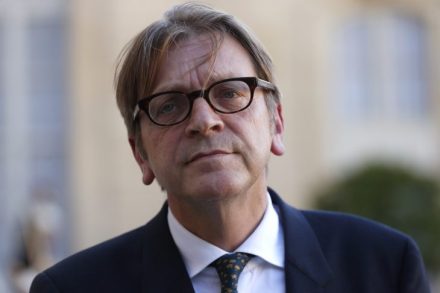
Guy Verhofstadt thinks Brexit is a 'disaster', a 'tragedy' and a 'catastrophe'. That verdict, from the European Parliament’s chief Brexit negotiator, won't surprise many. But Verhofstadt has a solution to what he sees as a looming crisis for despairing Remain voters. During his interview on the Today programme this morning, he brought up the prospect of British citizens being allowed to keep their EU benefits as part of a ‘special arrangement’. This isn’t the first time we’ve heard this pitch from Verhofstadt. Back in November, the Belgian touted the idea that Brits could pay a fee to retain free movement and a vote in EU elections. 'Many say 'we don't want to cut our links’, he told the Times.

The newspapers dump on Hammond’s National Insurance hike – again

Theresa May and Philip Hammond were in a laughing mood in the Commons on Wednesday. After a second day of dreadful headlines in the newspapers, they certainly won’t be now. The Government’s honeymoon period in the media is over - and the Chancellor’s National Insurance hike for the self-employed is entirely to blame. So far, the Prime Minister has stuck to her guns by insisting the policy will go through (even if the PM did kick it back to the Autumn). If she really is to go through with the controversial policy - and the number of Tory rebels is growing - she’ll have to resist a mounting barrage of criticism in the media.

Revealed: The full list of Tory MPs who have spoken out against the Chancellor

Given that Jeremy Corbyn barely seemed to notice Philip Hammond's Budget blunder, it's unlikely the Chancellor will be too worried about Labour's response to the National Insurance rates row. He will be troubled, though, by the rumblings on the backbenches behind him. The prospect of a Tory revolt is now very much on the cards; 18 Conservative MPs - including former leader Iain Duncan Smith and Tory whip Guto Bebb - have publicly spoken out against the policy. Because Tory MPs were voted in on a manifesto pledge not to raise NI contributions - and will inevitably be getting it in the neck from angry constituents over the coming days - this number is likely to rise. With a wafer-thin working majority of just 17, Philip Hammond and the Government can ill-afford a row.

What the papers say: Philip Hammond’s broken promise

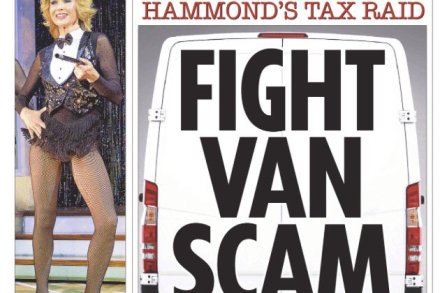
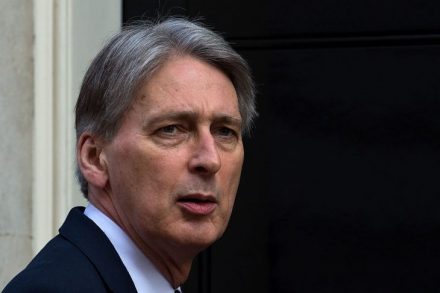
Philip Hammond is feeling the heat this morning. This was supposed to be the ‘boring’ budget, with no headline-grabbing announcements or spending splurges. Instead, the Chancellor’s face is splashed across the front pages this morning for all the wrong reasons. And the reception for Hammond doesn’t get any warmer inside the newspapers. The Daily Mail starts its commentary with some praise for the Chancellor. It says that his Budget ‘was a million miles from the panic-stricken emergency Budget’ put forward in the run-up to the referendum by his predecessor.

As it happened: Philip Hammond’s first – and final – spring Budget

Philip Hammond has finished his Budget announcement. The stand out points? £2bn in funding for social care - although only half will come in the next year; money for new schools; help for businesses - including pubs - that will be hit hardest by the business rates hike. There's only one policy which will grab the headlines tomorrow, though: the broken manifesto pledge made by the Tories not to hike National Insurance contributions. Instead, Hammond announced that Britain's five million self-employed workers will see the rates they pay jump by two per cent over the coming years. Follow all the coverage as it happened on our Spectator live blog: 1.35pm: Jeremy Corbyn takes to his feet to respond. The Labour leader says 'this government is a government with the wrong priorities'.

What’s in Philip Hammond’s Budget box?

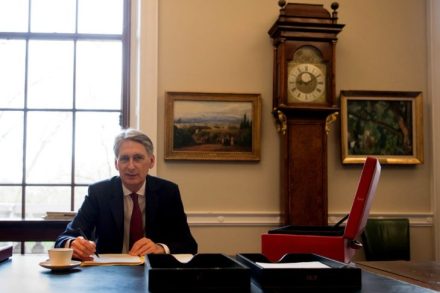
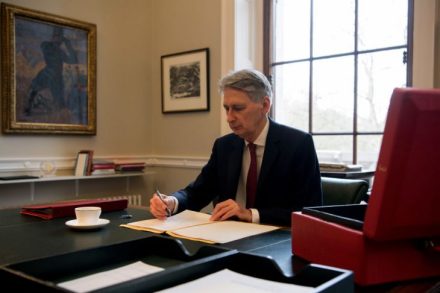
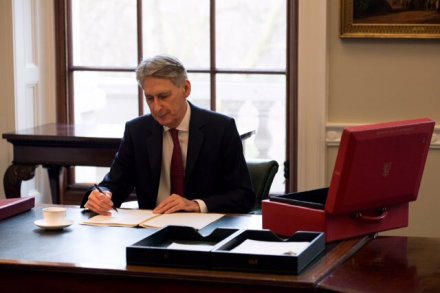
Philip Hammond doesn’t do box office. Unlike his predecessor George Osborne, he doesn’t do burgers either, with his austere pre-budget picture showing the Chancellor looking characteristically gloomy as, we’re told, he prepares Britain to be ‘match fit’ for the future. So what do we know about Hammond’s first - and last - spring Budget? For those who have accused Hammond of being too downbeat, there’ll be some glimmers of hope. It’s expected that the Chancellor’s ‘upbeat assessment’ of Britain’s economic outlook which he will deliver at the despatch box will mean the country’s growth forecast will be revised upwards - giving the Chancellor an extra £12bn to play with over the coming year.

What the papers say: Why amending the Brexit bill would be a mistake

Remember David Cameron’s renegotiation with Brussels in the run-up to the referendum? There’s a good chance you’ve probably forgotten; after all, even the Prime Minister wasn’t keen to talk up his paltry deal. Yet there’s a danger of history repeating itself if peers have their wicked way, warns the Sun. ‘Peers and rebel Tory MPs’ are keen to tangle up Theresa May with a veto on whatever she agrees with the EU, the paper warns. This would be a mistake. It’s clear that Cameron’s renegotiation ‘failed because EU leaders didn’t take him seriously’.

What the papers say: Why ‘Spreadsheet Phil’ is the Chancellor Brexit Britain needs

You don't earn a nickname like 'Spreadsheet Phil' for being a showman. But is Philip Hammond's powder-dry demeanour and unwavering focus on the numbers actually his strong point? Yes, says the Sun, which suggests the chancellor’s cautious approach is exactly what Britain needs right now. The paper says that whereas Hammond's predecessors would use their Budget announcements to reach for ‘popularity-boosting giveaways’, not so the current incumbent at No.11 who takes a more sensible approach in saying ‘now is not the time for a spending spree’. ‘We couldn’t agree more,’ says the Sun, which warns of ‘greater challenges’ ahead.

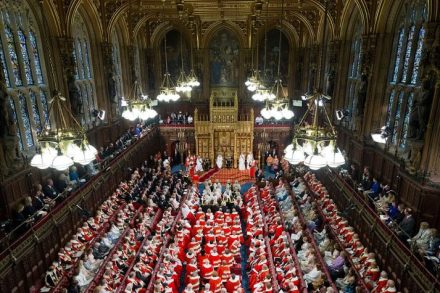
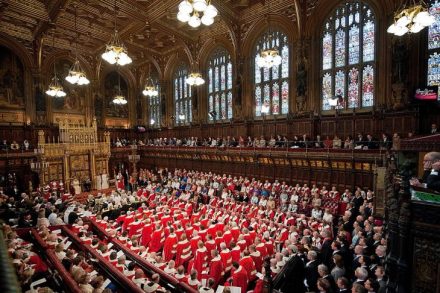
What the papers say: Why the Commons should listen to the Lords

Peers haven't made themselves popular by voting for an amendment to the Government's Article 50 bill. They've been called 'contemptible', accused of an ‘insidious plot to thwart democracy' and threatened with abolition. But is there a chance they were right to try and make MPs think again? That's the argument made in the Times this morning, which says in its editorial that if you felt uncomfortable watching unelected peers meddling with the business of elected MPs there's a simple reason: the peers had a point. The role of the Lords is to ‘request that the Commons should further reflect’, says the Times. And in calling for MPs to think again on the Article 50 legislation, the Lords was doing just that.

What the papers say: The Lords’ ‘insidious plot to thwart democracy’

When the House of Lords voted against the Government's Brexit bill last night, peers won't have been expecting much in the way of thanks in today's newspapers. But the ferocity of the attacks on the Lords could still come as something of a surprise: it’s time for the Lords to go, says the Sun in its editorial this morning in which it accuses peers of trying to ‘hobble the PM’ in Brexit talks. The paper describes the Government’s defeat last night as ‘contemptible’ and ‘short-sighted grandstanding’, and says the session showed that Lords wanted to make it clear ‘how much they care about EU citizens’  -with no regard for British citizens living on the continent.