The Spectator

The Spectator at war: Who governs Britain?

From ‘Government by Newspaper’, The Spectator, 29 May 1915: WE went to press last week too early to comment upon the outrageous attack made by the Daily Mail upon Lord Kitchener. In condemning Lord Northcliffe for his action in this matter we find it difficult to show that restraint and moderation of language which the

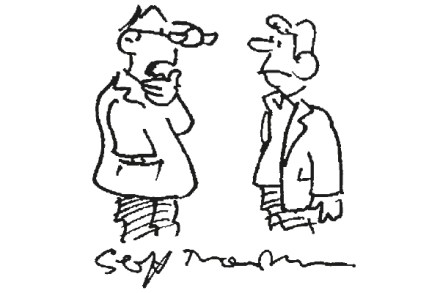
Pay

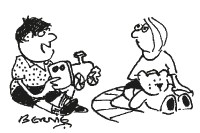
‘I want to be a train driver when I grow up — depending on the pay and conditions.’

Letters | 28 May 2015

Why we don’t need mayors Sir: There are a number of arguments against Steve Hilton’s call for more than 10,000 mayors (‘We need 10,000 mayors’, 23 May). One is that such an idea ruptures the whole tradition of British municipal administration, under which a system of elected councils is maintained to which executive officers are

Barometer | 28 May 2015

Steam privatisation Cunard celebrated its 175th birthday by sailing three liners down the Mersey. The formation of the Cunard Line was an early triumph of privatisation. — The Post Office had been operating a monthly service to New York with sailing brigs since 1756. In 1836 a parliamentary committee decided that a steamship service should

Portrait of the week | 28 May 2015

Home A Bill to enable a referendum on whether voters wanted Britain to ‘remain’ in the European Union figured in the Queen’s Speech. Another Bill prohibited any rise in income tax rates, VAT or national insurance before 2020. Tenants of housing associations would be given the right to buy their homes. Provision for Scottish devolution

Redefining aid

In this week’s Queen’s Speech, the government promised as usual to cut red tape for businesses. But David Cameron is remarkable in his enthusiasm for simultaneously wrapping his own government in red tape. He has proposed a law to prevent the Chancellor raising rates of income tax, and in one of the last acts of

The Spectator at war: Marital obligations

From ‘Boys and Compulsory Service‘, The Spectator, 29 May 1915: [To the editor of The Spectator] Sir,— The wasteful expedient of universal service may be unavoidable, but I submit that loss will outweigh gain if we compel boys under twenty to fight abroad. To this, however, I would admit one exception—married men of whatever age.