The Spectator

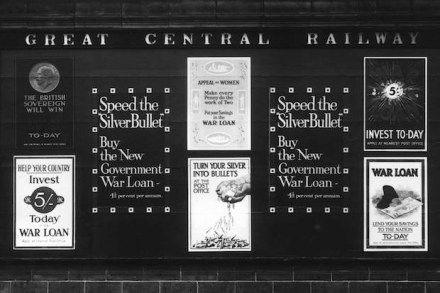
The Spectator at war: The value of thrift

From ‘Thrift and the War Loan’, The Spectator, 3 July 1915: There can be little doubt that tens of thousands of people who would never think about the War Loan merely as an investment can readily be persuaded to put their money into it on the ground that it is a patriotic duty so to
The Spectator at war: The privilege of an Englishman

From ‘The Privilege of an Englishman’, The Spectator, 3 July 1915: [TO THE EDITOR OF THE SPECTATOR] Sir,—There is one privilege which an Englishman has which is not shared by any other European nation. That privilege is neither asked for nor desired by other nations in Europe, for they are more democratic than we are.

In pictures: Greeks queue for cash machine withdrawals as crisis intensifies

My local ATM queue and packed cafe across the street #Athens #Greece pic.twitter.com/pWutQpITSz— Maria Kagkelidou (@mkagkelidou) June 28, 2015 https://twitter.com/hashtag/Greferendum?src=hash Here's the line for an ATM in Athens as the moment of truth nears in the Greek debt crisis: http://t.co/I6yDvZnM7a pic.twitter.com/ibJsF3Yy8o— VICE News (@VICENews) June 28, 2015 Greeks continued lining up at ATM machines this

The Spectator at war: Night riding

From ‘Dawn on Box Hill‘, The Spectator, 26 June 1915: AS we rode down the gentle eastern slope of Ranmore Common we noticed that we could see our horses’ ears. The statement seems commonplace, but for the last two hours we had mostly taken not only our horses’ ears but our horses’ heads on trust.

The Spectator at war: Self denying ordinance

From ‘Food and Drink’, The Spectator, 26 June 1915: The Government have been completely beaten by the trade in their attempts at prohibition. But are they justified at the present time in allowing this great waste of food to continue ? Even if in this the trade is strong enough to beat them, as it

The Spectator at war: Cold-blooded goodness

From ‘Cold-blooded Goodness‘, The Spectator, 26 June 1915: A young person of either sex who is wholly without sentimentality has not as a rule much heart. On the other hand, where practicality so overruns the character as to destroy all the finest feelings, it may still leave the capacity for sympathy not uninjured, but certainly