Shashank Joshi

How will the Iran war end? | with Shashank Joshi

26 min listen

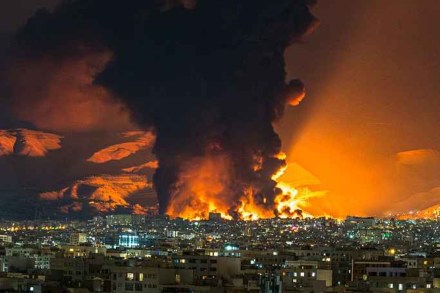
In this special edition of Coffee House Shots, Tim Shipman is joined by defence editor at the Economist, Shashank Joshi. Two weeks in to the conflict in Iran, they give the definitive take on where we are at, the range of scenarios that the UK government are preparing for, and – crucially – how it could all end. Produced by Megan McElroy and Oscar Edmondson.
How will the Iran war end? | with Shashank Joshi

The British army in the 21st century under scrutiny

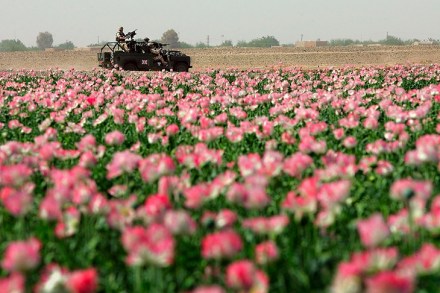
In his history of the Pacific War, Eagle Against the Sun, Ronald Spector described the state of the US army on the eve of the second world war: ‘The main enemies were boredom and debt. The answer to such problems was often liquor.’ When the officer corps was not boozing, it was sufficiently obsessed with athletics to derail training, for ‘success at football and boxing could be as important to a man’s career as success in manoeuvres’. Its weapons were decrepit and its ranks ragged. George Marshall, the future chief of staff, commanded a notional battalion that numbered fewer than 200 men. That portrait of antebellum decay came to mind when reading The Changing of the Guard, a scathing account of the British army in the years after 9/11.

John Bercow was right to criticise Donald Trump

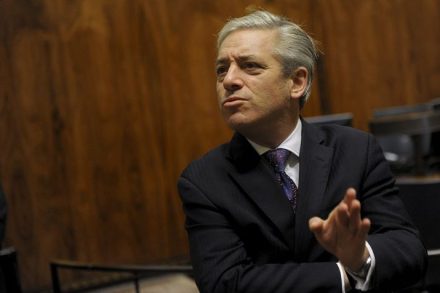
John Bercow has taken a lot of flak for his comments about Donald Trump. The Speaker has been accused of being an embarrassment to Parliament for saying Trump wouldn't be welcome to address MPs during a state visit. But amidst all the fury, Bercow’s pre-emptive ban does touch on a deeper question about the muddled thinking in British foreign policy. Several autocrats, many with poor human rights records, have addressed both Houses of Parliament: Emperor Hailie Selassie of Ethopia in 1954, Nikolai Bulganin of the Soviet Union in 1956, and his successor Alexei Kosygn in 1967, have all done so. And during Bercow's time as Speaker, the Emir of Kuwait and President Xi Jinping of China, have also spoken in Parliament.

How President Trump threatens the world order

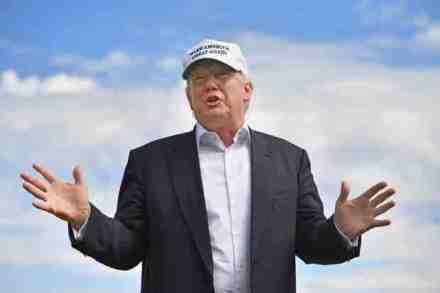
Though power has flowed from West to East in recent years, the United States remains a lynchpin of the world order. The election of Donald Trump, a candidate with no political experience and extreme views, is a profound shock to that order, especially if – like us, in Britain – you live in a part of the world which depends on US military muscle. Douglas Murray is relaxed about this prospect, but his argument is based almost entirely on ignoring Trump’s most radical remarks (his astonishing attack on Hispanic judges, for example) and a baffling willingness to believe that Trump means nothing of what he says.   Nato, described by Trump as 'obsolete', may not crumble, but faith in Article V, its mutual defence clause, has already been eroded.